Author Archives: ravensgully

Unknown's avatar

About ravensgully

Mountaineering, road cycling, mountain biking , triathlons and the great outdoors.

Mallorca Oct 2015 and the TransTramuntana 4500


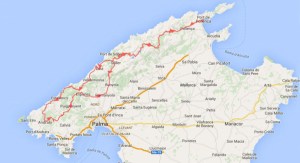
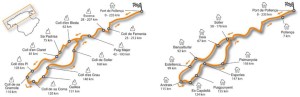
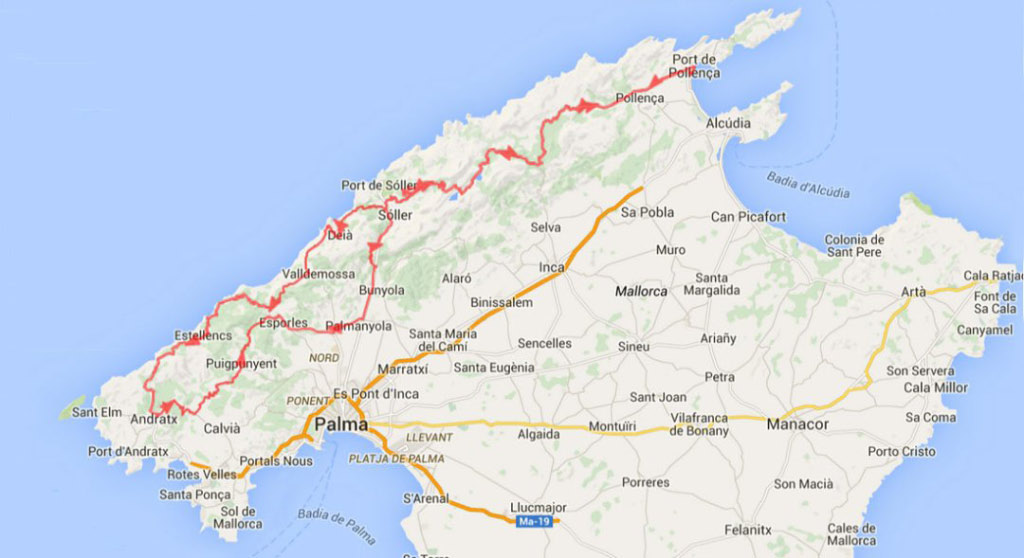
The TransTramuntana 4500 route map

Mallorca and the TransTramuntana route

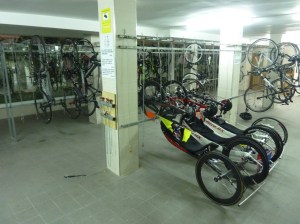
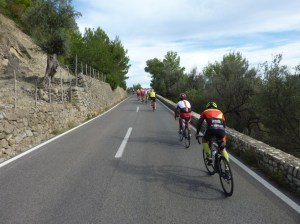
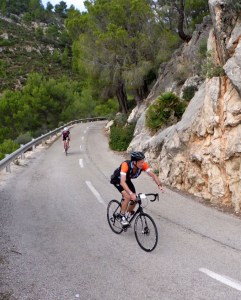
This was my second trip to Mallorca this year and this time I stayed at the Viva Blue Hotel  in Playa de Muro, situated on the narrow strip of land between Alcudia Bay and the Albufera Natural Park. The Viva Blue is well set up to cater for sports type holidays, especially cycling and triathlons, it has a six lane 25m heated outdoor swimming pool, a good gym and in the basement a large bike store and hire centre capable of holding hundreds of bikes. The bike I hired was a Canondale Synapse with a 58 cm carbon frame, electronic Di2 gears and disc brakes, a very nice bike. I didn’t book any meals at the hotel in advance as I wanted the flexibility to eat out in the evenings, but  most mornings I paid for a buffet style breakfast which had a great selection to choose from. I booked this trip at short notice and it was intended as a gentle end of season cycling holiday but a few days before I flew out I discovered that the TransTramuntana 4500 event was being held on the day before I was due to fly back….. I entered online straightaway ! The mountains on Mallorca are concentrated in the north of the island and are called the Tramuntana. The famous and very scenic Ma-10 road which starts in Pollenca and ends in Andratx practically runs the full length of this mountain range, the TransTramuntana 4500 ride starts in Port de Pollenca and follows the Ma-10 all the way to Andratx before looping back to Soller via Galilea, Esporles and Palmanyola. From Soller it’s then a big climb back up to the Monnaber Tunnel near the top of Puig Major and a very fast descent back along the Ma-10 back to the finish in Port de Pollenca, a distance of 235km (143 miles) and 4500m of climbing, hence the name of the event – the TransTramuntana 4500. There is also a shorter event the TransTramuntana 3000, which runs at the same time but is still a very tough ride.

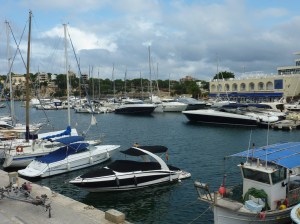
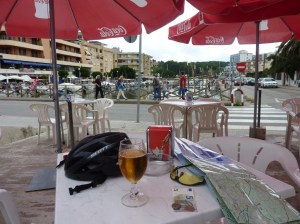
  • Cala Rajada marina

    Cala Rajada marina

    Day1    After an early breakfast I went to pick my bike up from Xavi in the bike store and set it up for the week ahead and then headed off east along the Arta road (Ma-12) the weather was dull but dry (for now…..) and about 19/20c. just before Arta I turned off left to Ermita de Betlem a lovely quiet dead-end road with great views that climbs up to a col and then drops down to a monastery, it was then back to Arta and had a spot of lunch in the very pleasant town square. Fully refreshed I carried on east to Capdepera and Cala Rajada with its bustling marina. I tried to find the road that went to the lighthouse at Punta Capdepra but couldn’t locate it. I then headed south on the Son Severa road climbing the small but traffic free Coll des Vidrier (Motor traffic uses the tunnel) and rode into the scenic town of Portocristo for more refreshments. Manacor was next via the Ma-4020, once I reached here the weather took a turn for the worse, it got decidedly dark and heavy rain started to fall, I didn’t enjoy the section to Santa Margalida at all, once here though the weather relented and the Ma-3410 back to Can Picafort was much better.  138km ride.

  • Formentor Lighthouse ride

    Formentor Lighthouse ride

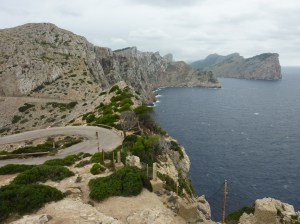
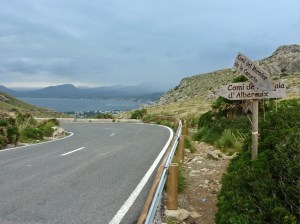
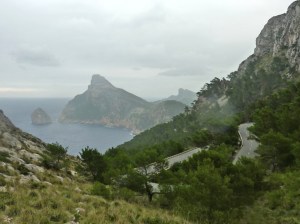
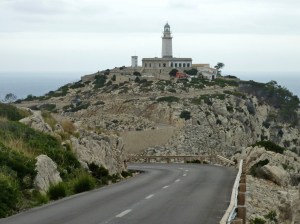
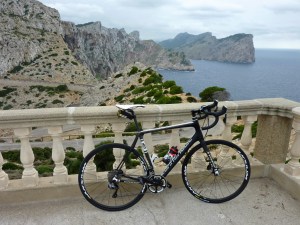
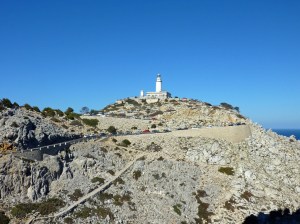
    Day 2    A shorter ride today but a very popular classic – the ride to Cap de Formentor lighthouse. The route from the hotel follows the main road past all the hotels and shops that line the edge of Alcudia Bay, then up into the old town of Alcudia itself before turning off right to follow the cycle way on the edge of Pollenca Bay with great views of the jagged hills that lead to the light house. It pays to do this ride early in the day as it does get very busy later on, it is actually quite a tough ride with lots of ups and downs, it has recently been resurfaced and is very smooth most of the way. When I done it there were a lot of roller skiers out doing it too and I was surprised how fast some of them were moving. 70km ride.

  • Views from near Alaro

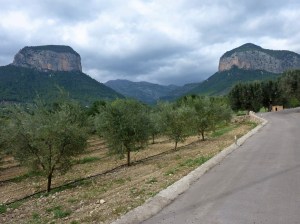
    Views from near Alaro

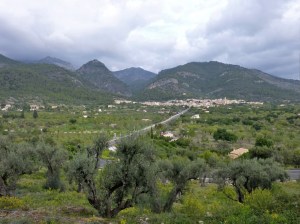
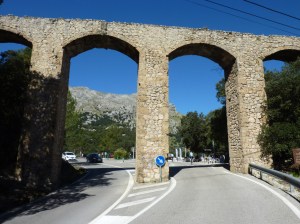
    Day 3   A windy, cool start to the day with some rain mixed in too but set off hopeful on the Ma-3433 to Sa Pobla then onto Campanet, Moscari, Selva and dropped down to Caimari which is one of the gateways to the Tramuntana Mountains. Caimari is the start of the Coll de sa Batalla climb which is very popular with cyclists and has a good restaurant at the top, after a brief stop here I pressed on up the Ma-10 to the aqueduct and continued straight on up to the first tunnel and past the two lakes then into the Monnaber tunnel which marks the high point on Puig Major for road users. From the other side of the tunnel the only way is down and lots of it, I think it’s about 14km of sweeping, fast as you dare, hairpin curves all the way down to Soller, once on the flat again I headed for the lovely bay of Port de Soller for a beer and some spaghetti bolognese. Fully refreshed I headed south on the Palma road (Ma-11) for a few km once the tunnel is reached most of the traffic disappears into it, leaving the old road on the left very quiet with its numerous hairpins bends leading up to the Coll de Soller. It’s fast again down the other side before joining briefly the Ma-11 before turning off to Bunyola and then climbing up to the Coll d’Honor heading for Alaro, Lloseta, Biniamar and back into Selva. Moscato, Campanet, Buger, Sa Poblar and the Ma-3433 finished the ride off. 147km ride.

  • Sa Colobra

    Sa Colobra

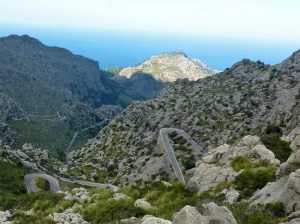
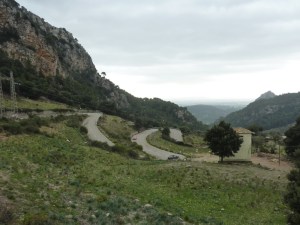
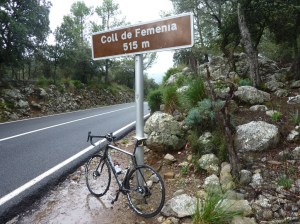
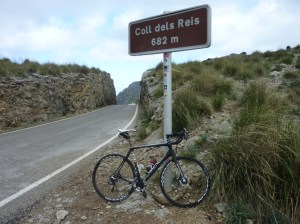
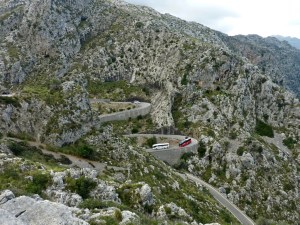
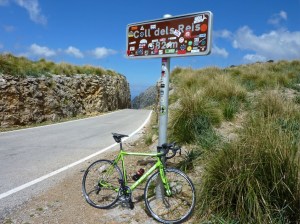
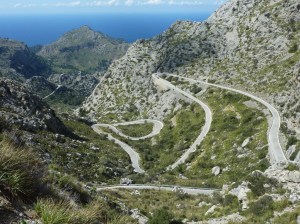
    Day 4   Perhaps the most famous climb on Mallorca is Sa Calobra and is unusual in the fact that you have to climb over a couple of cols first and then descend it to a dead-end port before you can turn around and climb back out. I cycled into Alcudia and past the big church as usual and explored the quiet lanes that lead to the Ma-2201 and onto Pollenca and joined the start of Ma-10 into the Tramantuna mountains, the road rises gently for a few km before the climb up to the Col de Fermina kicks in. I called in at the restaurant at the top of the Col de sa Batalla for a coffee and a baguette before tackling the roller coaster section leading up to the aqueduct, here the road splits and I turned right for the climb up to the Col de Cal Reis and the top of Sa Calobra. This is another climb, or descent in this case, where it pays to get here early, I had been passed on the way up by a couple of tourist coaches and I could see them down below me negotiating the tortuous hairpin bends as the road snakes down to the small port below, I took it very steadily but even so the descent gives you a real buzz as you enjoy the curves and the accelerations out of the bends but it also requires your best concentration as the consequences of a miscalculation could be very nasty indeed! At the bottom there a few restaurants where you can relax and enjoy the surrounding for a while before facing the long climb back up to the Coll de Cal Reis, once at the top though you have a fantastic fast descent most of the way back to Pollensa with only a few short climbs to slow you down. 135km ride.

  • Ermita de la Victoria ride

    Ermita de la Victoria ride

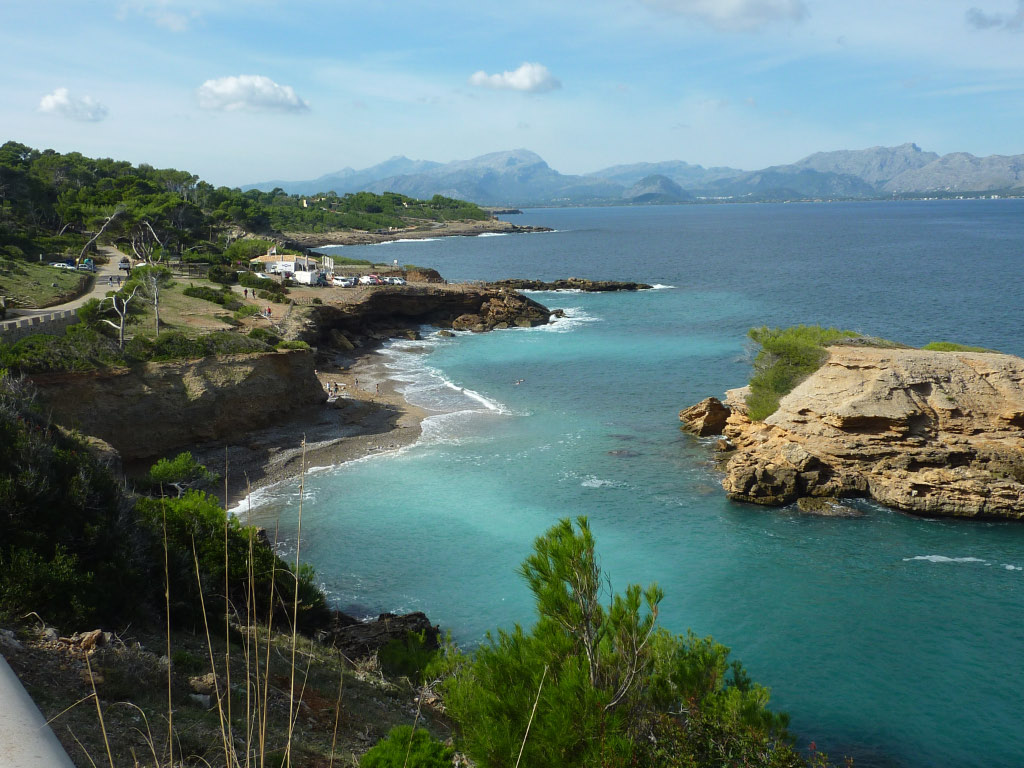
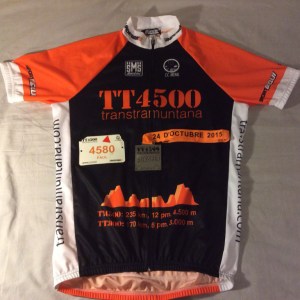
    Day 5   The day before the TransTramuntana event so no big rides today. Started off with a swim in the lovely hotel pool, followed by half an hour in the gym before heading off to register at 3.00pm for the event at the Hotel Hoposa Uyal in Port de Pollenca, which is also the start of the race the next day. I had plenty to time so decided to explore the road which goes along the peninsula which forms the southern end of Pollenca Bay, it is the road to Mal Pas and further on to the Ermita de la Victoria. It is a quiet and very scenic dead-end road with quite a lot of climbing involved, especially if you go up to the church first. The road ends at a metal gate at the entrance to a tunnel, it is military access only after that. The sea views are probably even better on the way back and this would be a great ride to combine with the lighthouse ride to Formentor. I continued on to Port de Pollenca and had some lunch at a sea front restaurant, followed by an hour lying on the beach in the warm sun waiting for registration to open, which went smoothly and I rode back to  my hotel with my registration pack wearing the event Santini race shirt to prepare everything for an early start tomorrow. 47km ride.

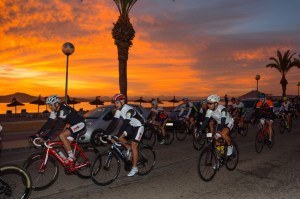
  • 8.00am sharp and we are off...(photo: Margalida Ferrer)

    The start in Port de Pollenca (photo: Margalida Ferrer)

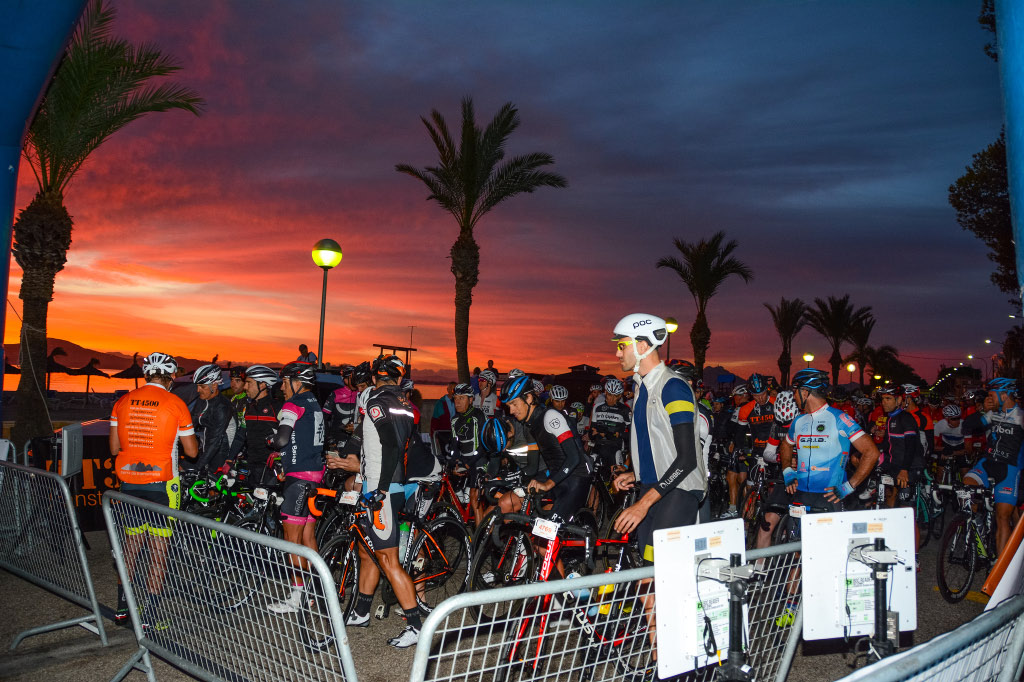
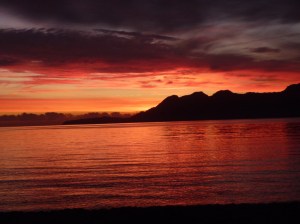
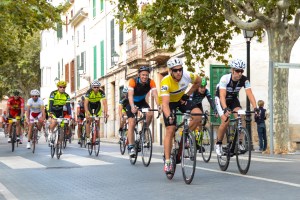
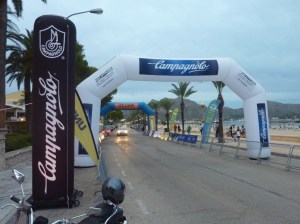
    Day 6   Transmuntana 4500 day. The event would start at 8.00am at Port de Pollenca which was about 15km away so an early start was needed and it was quite eerie cycling along the quiet streets in the pitch black, I got there with 20 mins to spare enough time to capture some of the atmosphere and to witness a stunning sunrise out over Pollensa Bay. Closed roads and a police escort saw the peloton of about 450 riders quickly reach the Ma-10 and it was soon apparent that this was to be no leisurely sportive event, the leading group were setting a cracking pace and I was unable to match it so settled into my own pace but with only 11 hours of sunlight at this time of year and 235km to cover I knew it was going to be a hard day. The weather was just about ideal with warm sunshine, light winds and good visibility all day really. I was relieved to finally reach the Monnaber Tunnel and the fast descent into Soller seemed to go on forever. At the turn off for Deia I was on roads I’d never been on before and it was great passing through places I had only studied on a map before and what a road it is, up and down all the way with stunning views along the jagged coast line. At the feed station at Can Costa, just before Valldemossa, I think the race was neutralised for a while as it was getting too strung out, the organisers had a police car with flashing lights at the head of the race all the time and an event support van which looked like an ambulance following the main group, I felt sorry for the car drivers stuck behind us on these narrow twisty roads unable to get past us.
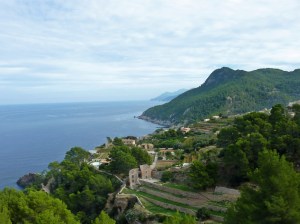
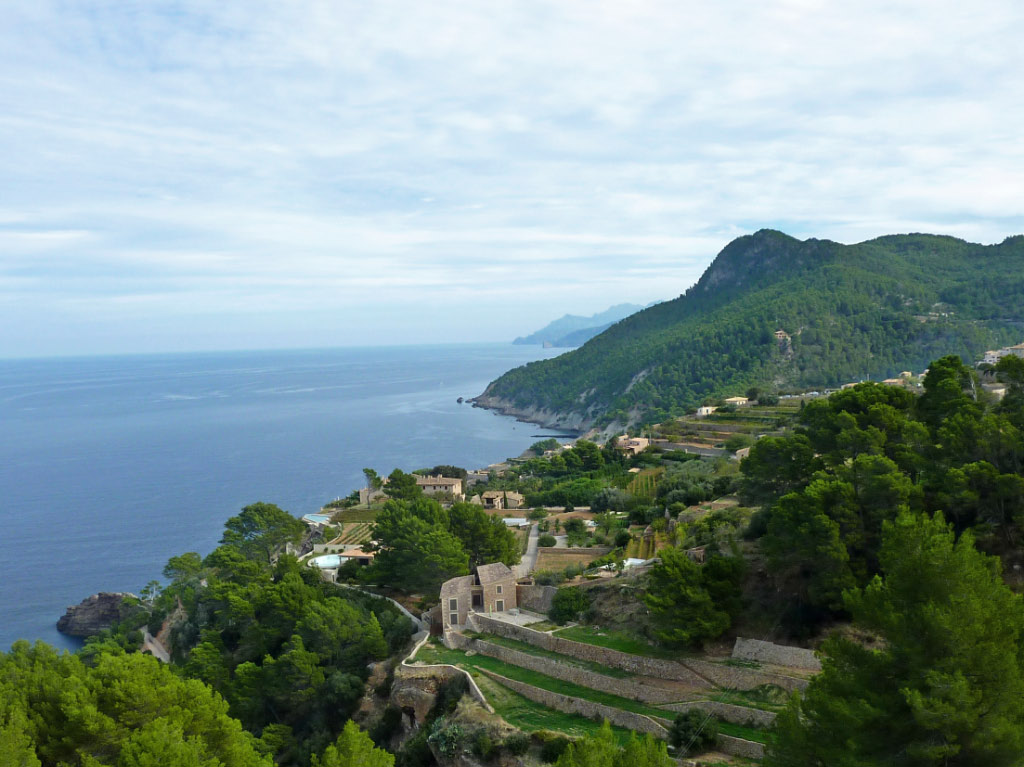
    Great sea views on the road to Andratx

    Great sea views on the road to Andratx

    Shortly after leaving Can Costa was where the race split up, with the shorter event people turning left and longer event turning right heading for Andratx along a beautiful high road over looking the sea, again it was up and down all the way but it was a great relief psychologically to finally reach the feed station at Sa Coma near Andratx because after here we would be heading back, however I barely had time to refill my water bottle and grab a sandwich before the police car had fired it lights up again and the peloton was off straight into the next series of cols, I found this 28km section quite tough as fatigue was starting to set in now and judging by the faces around me I wasn’t the only one suffering. The feed station at Sa Granga just before Esporles was a welcome sight, the whole peloton of riders seemed to be assembled here and I had the luxury of a full 5 minutes to down some Coke and grab a bite to eat before the police car again fired its lights up and we were off again and it was a very fast pace along the flattish roads leading to Palmanyola, I kept up for as long as I could before the elastic finally broke and I watched the peloton disappear up the Ma-11 heading for the almost traffic free ascent of the Coll de Soller, I caught a few of the tailenders going up here and although I was obviously tired by now I was enjoying it again as I knew I was going to make it, I grabbed a quick drink and some food at the top of the col and set off on the impressive hairpin laden descent, (there has got to be near 50 of them!) re-joining the Ma-11 again to swoop down into Soller and the right turn for the start of the last big challenge of the ride – the ascent of Puig Major.
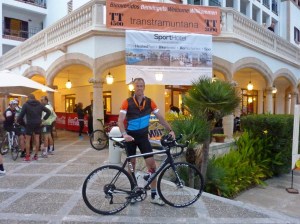
    Tired but happy at the end of the day

    Tired but happy at the end of the day

    The climbing starts within a few hundred meters and its best to settle into a comfortable pace as for most people it’s about an hour of solid climbing and it just seems to go on and on, eventually however the high point at the Monnaber Tunnel looms into view and signals the end of all major difficulties on the ride from now on its mainly all downhill and fast. I could see a large group of riders ahead in the distance with the lights of the police car in front and tried to join them but cars in the tail back  behind them were slowing my progress down, eventually however I picked the cars off and just where the Ma-10 starts to straighten out with about 14 km to go I finally joined the peloton of about 25 riders and noticed straightaway how much easier it is to cycle in a large group. I think for me this last section was the highlight of the whole ride, the police car in front now had its sirens going as well as the flashing lights and motor bikes were blocking the traffic at roundabouts so we had a clear run into Pollensa and we were flying along down to the Port and to the right hand turn along the sea front, to the finish outside the Hotel Hoposa Uyal, it was a great way to finish a memorable ride! I had a finishers medal placed around my neck and was pointed in the direction of the free pasta, Coke and beer which went down a treat, after that it was back on the bike for the 15 km ride in the dusk, back to the hotel at Playa de Muro- just what I needed!  265km ride.

My time for the event was 10 hrs, 18 mins , 28 secs (22.8km/hr).

There was also a king of the mountain timed section on the big climb of Puig Major and my time for this was 1 hr, 3 mins, 20 secs (13km/ hr).

The TT4500 was a great event and I must say a word of thanks to the organisers and volunteers who put in a lot of work to make this event happen, thank you all!  It was a special end to another enjoyable week cycling in Mallorca and we are already booked up to come back in the spring for the equally challenging cycling event – the Mallorca312  which is a ride around the circumference of the island ( 312 km or 193 miles) with a time limit of 14 hours.


New Mountain Bike Wheels!

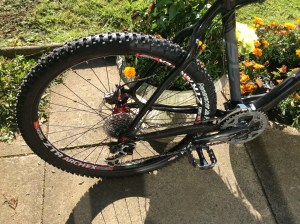
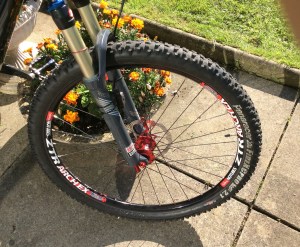
MTB wheel set

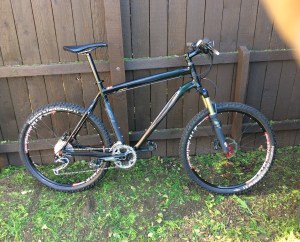
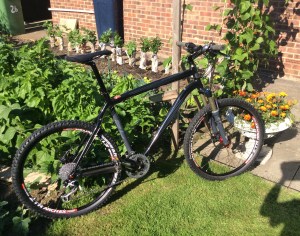
My Specialized Rockhopper SL Pro mountain bike is over 5 years old now, I try to look after it as much as I can and during this time it has had several chains, cassettes, bottom brackets and brake pads fitted and early on this year I replaced the chain rings. Recently however I have been having problems with the rear wheel, the freehub has been sticking and the cassette which sits on the freehub seems to be moving slightly, causing the gears to slip in certain positions …….so the time has come to get some new wheels…..

Selecting wheels from bike websites has become more complicated in recent years. Traditionally mountain bike wheels were all 26 inch diameter but then came the introduction of 29 inch wheels and then the intermediate size of 27.5 inches. Also the axle sizes can vary from the traditional quick release skewers to various bolt through designs. My bike uses traditional 26 inch wheels with normal quick release skewers.

Yellow rim tape

Yellow rim tape

A further variable to consider is the type of mountain bike riding you do. Is it predominately cross-country? trails? enduro type riding? or downhill?  This will determine what type of rim you need on the wheel with stronger normally meaning heavier. Armed with this information I had a look at Merlin Cycles website where I get a lot of my spares from, the prices are good and the customer service spot on too. They do a hand-built wheel service where you can specify the components you want. I chose Hope Pro 2 Evo hubs, ZTR Arch EX rims and DT Competition stainless steel spokes. Also ordered some new brake rotors and some Hope quick release skewers.

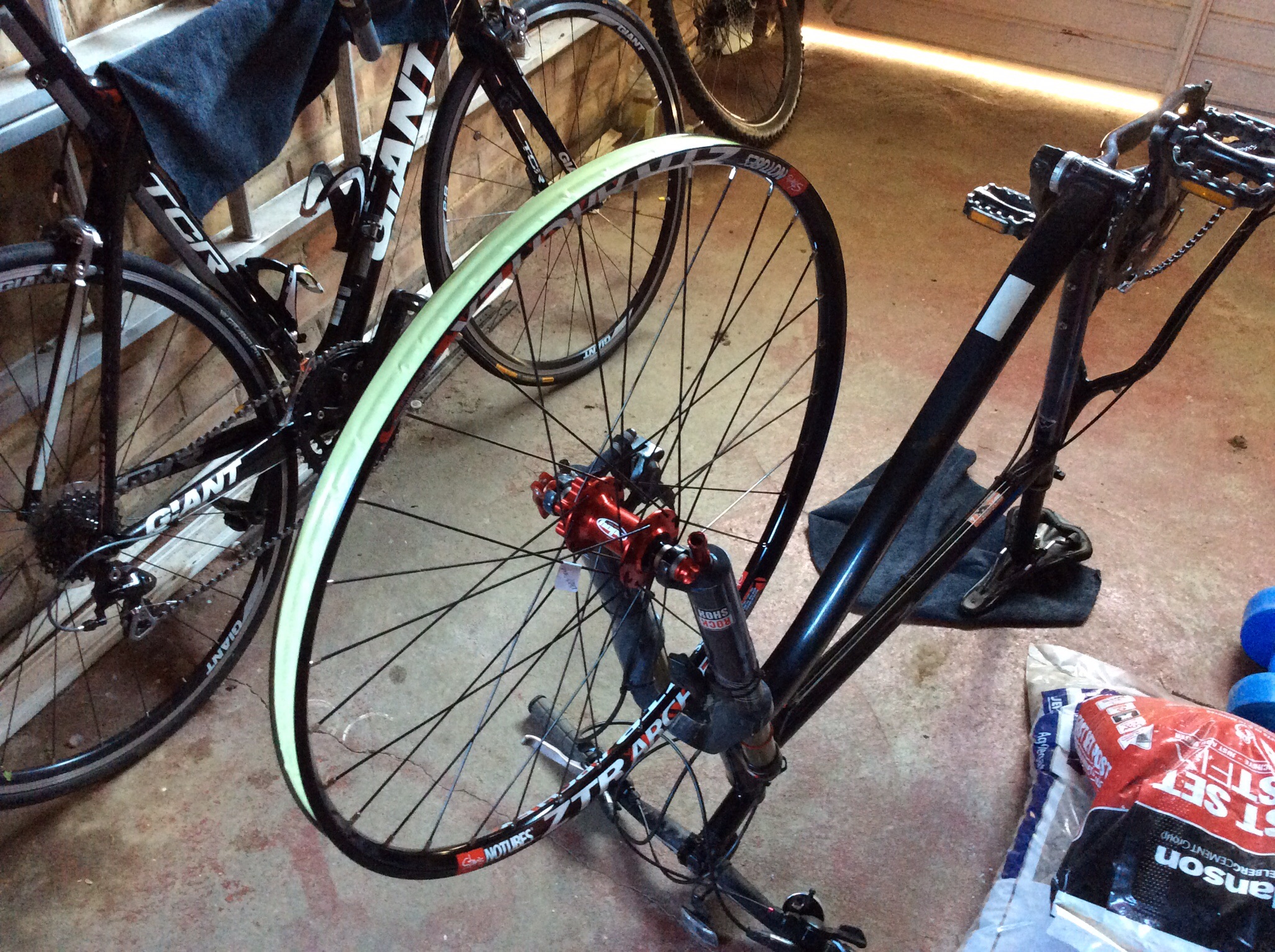
The rims I bought can take the usual inner tube and tyre combination but the rims are designed with a tubeless setup in mind. I have been curious about this for a while so decided to set the wheels up tubeless. With these rims all you need is some Stans Yellow Tape around the rim, this tape is airtight and seals the holes where the spokes are, you also need a tubeless type valve which has a screw out core and a bottle of Stans Tyre Sealant. I also bought a syringe to inject the sealant in the tyre, this came in very handy later.

Tubeless Valve

Tubeless Valve

I have used Panaracer Fire XC Pro tyres for a few years now and find them an excellent tyre, however I had an extremely hard job getting the beads of this tyre to fit over the rims, I was seriously worried about damaging the rims with the tyre levers, I’m not sure how I will ever get them off to be honest! Anyhow, once I got my strength back I inflated the tyres (without the sealant) to see how things were looking. A good tip here is to brush some soapy water over the tyre edge and wheel rim, this greatly helps everything slide into place and once I got the tyre approaching 40 psi the tyres explosively locked into the rims. The soapy water also highlights how porous the tyre walls are too, with lots of bubbles forming all the way round the tyre walls where air was escaping from. To seal the tyre walls you need sealant, so I let the tyres down and screwed the core out of the valves and used the syringe to inject about 3 fluid ounces of sealant into the tyre. some people just take one side of the tyre off and pour sealant in but with the struggle I had getting them on I was very pleased that I bought the syringe. Once the sealant is in the tyre I screwed the valve core back in and brushed the rim and tyre bead with soapy water again and pumped the tyres up, again as they approached 40 psi they banged into place. Next you need to shake the wheel and rotate it to coat the inside of the tyre with sealant to stop it leaking air, then leave it on its side for ten or fifteen minutes, then turn it over and do the same. The secondary job of the sealant is to seal any punctures you may get in the future. A video showing Stan Koziatek, the inventor of the tubeless system, demonstrating what happens when you get a puncture can be found here.

The next day I was relieved to find that the tyres were still hard so they must have sealed ok, so I screwed on the new brake rotors and fitted the new skewers and placed the wheels in the bike, disappointingly this revealed another problem. The new brake rotors being slightly thicker than the old ones were rubbing on the brake pads, so with the bike upside down I removed the brake pads and gently with a large bladed screwdriver tried to lever the brake pistons back into their housing, I may have pressed the brake lever with the bike upside down and I think this has put some air in the hydraulic system, the result is the front brake went very soft …. It needed a bleed to get rid of the air. With Avid type brakes this involves a couple of syringes and some Dot Fluid, stuff I don’t have so the local bike shop had to do this job for me.

Finally, a great source of information about tubeless tyres and some very useful videos can be found on Stans NoTubes website.

Mountain Bike Coast to Coast ride 2015

MTB C2C by Tim Woodcock

The Coast to Coast by Tim Woodcock

This mountain bike route takes its inspiration from Alfred Wainwright’s famous long distance walk. It is a challenging multi-day ride across three of England’s finest national parks, the Lake District, the Yorkshire Dales and the North York Moors, taking in some of the best off-road riding in the country on the way. The route is described by Tim Woodcock in his excellent little booklet The Coast to Coast. This book is a very useful source of information about the ride but you also need to spend some time plotting the ride onto OS 1:25000 maps to get familiar with the route and ideally also doing some recce rides of sections in the months and weeks leading up to the attempt.

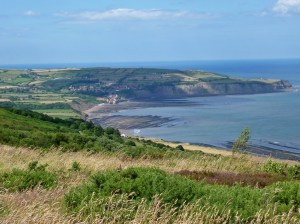
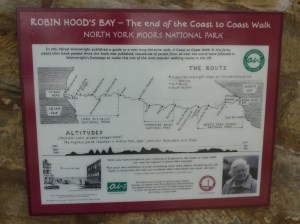
Legally you are not allowed to cycle on footpaths in the countryside so the route uses largely bridleways, cycle paths and quiet roads. The route is 210 miles long and starts at St.Bees Head in Cumbria and finishes at Robin Hoods Bay in Yorkshire. The Lake District section is very tough, taking in Black Sail Pass, Walna Scar and Garburn Pass and passing through some very remote areas to eventually reach Shap. Woodcock in his booklet describes an easier alternative route through the Lakes that goes via Keswick and the old coach road to Matterdale, Pooley Bridge and Bampton to join up with the main route at Shap. I took 8 days to do the route, which gave me plenty of time to explore some of the cafes and pubs and villages along the way with the toughest day being from Ambleside to Kirkby Stephen. Its a ride i would like to do again sometime and knowing the route you could certainly take a few days off my time, depending on how fit you are. Kit-wise you have to think carefully about what you really need to take with you, I rode solo and unsupported and used a lightweight 20 litre rucsac.

MTB C2C Route

MTB C2C Route, red dots are overnight stops

  • Day 1 Took the train to Whitehaven and cycled to St. Bees, then picked up the C2C cycle route for a few miles before turning off right and heading down to Ennerdale Youth Hostel where I stayed the night.
  • Day 2  Continued up the forest track to Black Sail Youth Hostel and then headed right for the long bike carry up to the top of Black Sail Pass, dropped down the other side into Wasdale (more carrying), then up and over past Burnmoor Tarn and dropped down into the hamlet of Boot and stayed the night at the nearby Eskdale Youth Hostel.
  • Day 3 Cycled up the road to the Start of Hardknot Pass proper before turning off right and climbing up the side of Birker Fell and over some very rough boggy ground to Grassguards farm and descended down to the River Duddon stepping-stones, aptly named ” the fickle steps”, which were covered by water, the chain across the river was very handy as I waded across carrying the bike. The climb/push up Walna Scar was next followed by a very rapid descent into Coniston, then up to Tilberthwaite and a very pleasant ride via Elterwater and Loughrigg Terrace to Ambleside, stayed the night at the excellent independent Youth Hostel here.
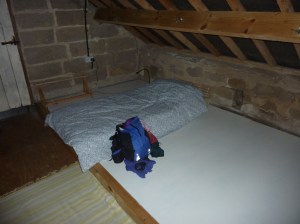
  • Day 4 From Ambleside rode up through Skelghyll Woods and over to Garburn Pass via the Dubhs road, a very rocky descent down the other side of Garburn pass down to the hamlet of Kentmere (a black run if you ride it all). Coffee break at Maggs Howe bunk barn at Green Quarter, then headed North up Longsleddale, turning off right at the Bridleway over to Mosedale and searched for the bothy there. Took the Wet Sleddale reservoir option to Shap. From here it was quiet roads and farmland tracks to Kirkby Stephen, stayed at the independent youth hostel there, which is an old Methodist Church.
  • Day 5
    Tan Hill Inn

    Tan Hill Inn

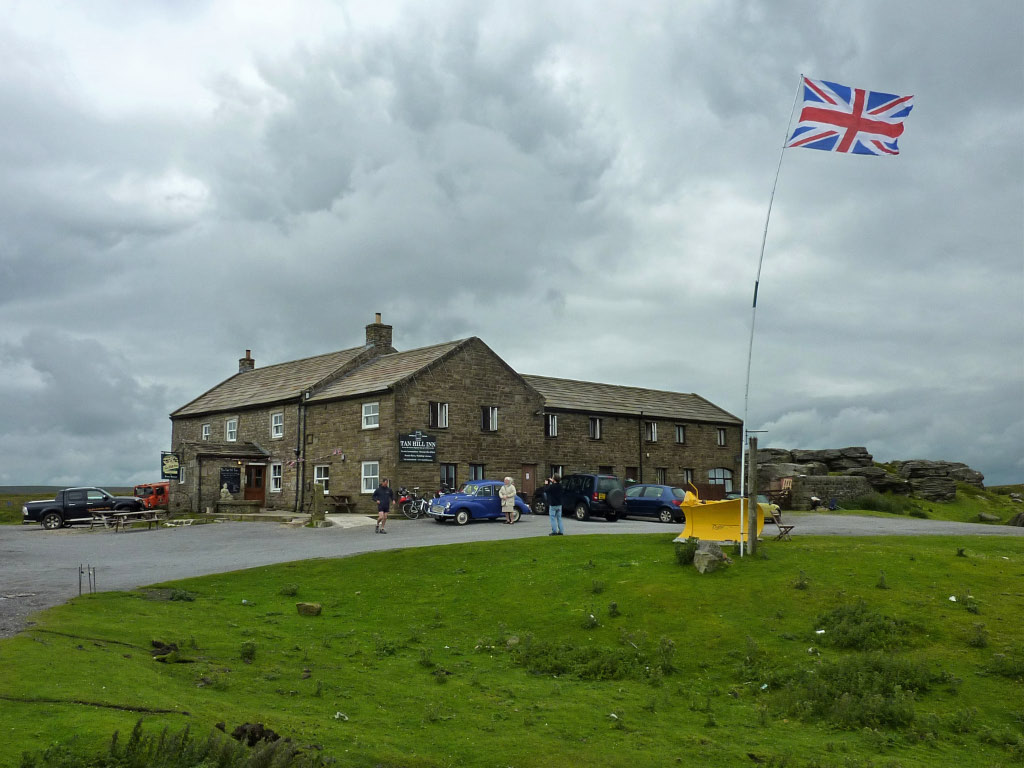
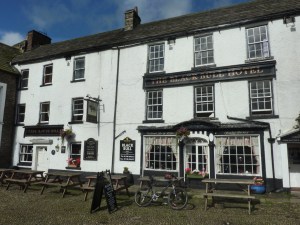
    From Kirkby Stephen took the quiet road to Winton and Rookby, the road gradually turns into a track/bridleway just before Wrenside and climbs up to the road leading to the Tan Hill Pub. From here it’s down the Pennine Way into Swaledale crossing the river at Ivelet and heading for Low Houses, turning right here for a very steep push up to the road and heading for the start of the very enjoyable Apedale Road (a track) followed this all the way to the crossroads at Dent Houses and turned left to climb initially,  then a very fast descent over the moors and road, all the way down to Grinton, stayed the night at nearby Reeth, at the Black Bull Pub.

  • Day 6 From Reeth headed Along the quiet road to Marrick Abbey and continued along the bridle way to Marrick itself then Marske (via Nun Cote Nook and Low Oxque farms). Followed the Richmond road to the bridle way that contours below Applegarth Scar then through the woods before dropping into Richmond. Headed for the North York moors next via the flat quiet roads of  the Vale of Mowbray and a short unpleasant main road section to Osmotherly, hoped to stop at the Youth Hostel here but it was fully booked in advance so continued to Raisdale (via Scugdale) and stayed at a B&B about one mile west of Chop Gate.
  • Day 7 A short ride down to Chop Gate and left to Seave Green to pick up a bridleway that climbs up onto the moor plateau turning left at Bloworth Crossing to Burton Howe and dropped down to cross the head of Baysdale Moor following the bridleway across Great Hograh Moor to Westerdale. From here bridleway and road led to the track around the head of Great Fryup Dale then onto the rocky track along Glaisdale Rigg to Glaisdale itself. stayed at a basic but very nice bunk barn about a mile and a half outside the village.
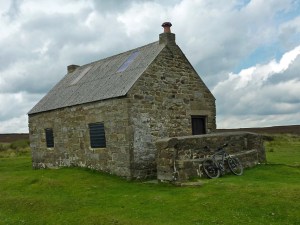
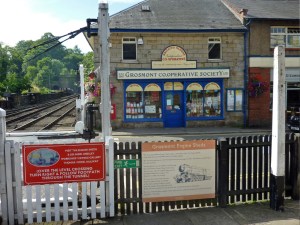
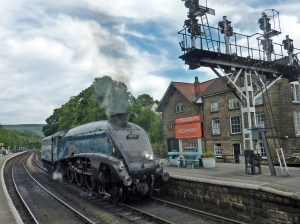
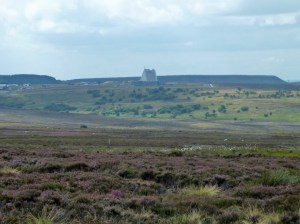
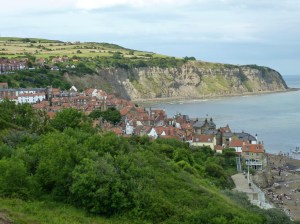
  • Day 8 From Glaisdale the route headed over to Delves via a well hidden lane for a very fast road descent down to Egton Bridge and along the C2C track to Grosmont with its steam trains and railway sheds. From Grosmont there is a very steep and long road climb up to the A169 before turning off for some lovely moorland tracks up to Louven Howe with the early warning station at Fylingdales visible in the distance. The route continues heading east and eventually arriving at the radio beacon at Ravenscar and drops down to the disused railway track which takes you all the way into Robin Hoods Bay.
Port de Soller

Majorca Easter 2015

The Mediterranean island of Majorca has in recent years become a favourite destination for both professional and amateur cyclists, the combination of a good climate, good roads (both flat and mountainous) and cheap plentiful off-season accommodation has proved irresistible to thousands of cyclists every year. There are also lots of hotels and businesses offering structured training camps for cyclists and triathletes and most of them can hire you a good quality bike, so all you need to do is turn up with your training kit.
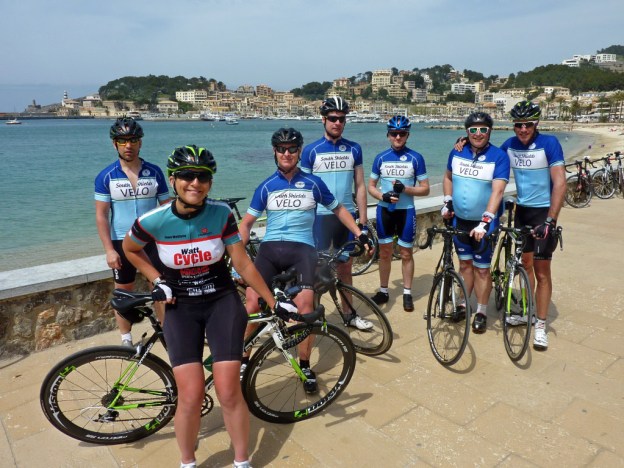
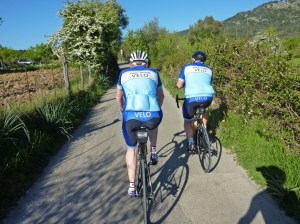
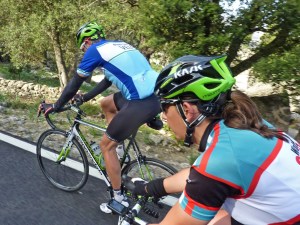
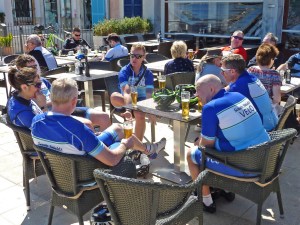
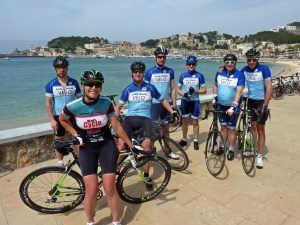
I went with my friend Angus who has recently joined the South Shields Velo Cycling Club and they had a group of about 18 members over here for the week. We stayed at Port d`Alcudia in the North of the island about a 50 minute transfer from the airport at Palma at the Viva Tropic and Spa Hotel, a comfortable 4 star hotel near to Alcudia Bay. The hotel is well used to dealing with groups of cyclists and Viva Cycling which is connected to the hotel has a fleet of quality Cannondale bikes for hire at very reasonable rates. The rides we done were :-

  1. Port d`Alcudia to Cap de Formentor – the light house ride. Only about 60km long but a tough ride with lots of up and down and a very scenic ride along the narrow peninsula that forms one side of Pollenca Bay.
  2. Sa Colobra. This route is probably on every adventurous cyclists list who comes to Majorca. You have to climb over a couple of cols to get to it and then descend it because it is a dead-end road that goes down to a sleepy harbour, both the descent and the 10km climb back up again are stunning, check out this Video showing Team IG-Sigma Sport descending it.. Our route to get there was Port de Pollenca, Col de Femenia, the aqueduct Cafe and then the final climb up to the Coll de Cal Reis which is the gateway to Sa Colobra (118km).
  3. Rest Day. Done a short ride with Angus then we came across a nice beach and chilled out there.

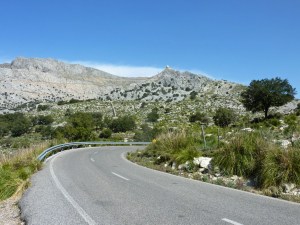
    Northern Majorca and the Tramuntana Mountains

    Northern Majorca and the Tramuntana Mountains

  4. Sa Colobra again this time via Caimari and returned to Alcudia via the Col de Femenia (118km).
  5. Sa Pobla, Campanet then Caimari and done the very pleasant climb up the Col de sa Batalla and continued west along the Ma-10 to the Aqueduct Cafe. Returned the same way to Caimari then Inca and Sa Pobla (125km).
  6. Puig Major and Soller – a big day with a lot of climbing. We Headed up the Col de Femenia again following the Ma-10 road and kept on going past two beautiful mountain lakes to the Monnaber Tunnel. From here it is a stunning descent about 9 miles long all the way down to Soller, we continued on to the picturesque bay of Port de Soller for refreshments. We went back the same way for the 9 mile climb up numerous switchbacks to the Monnaber Tunnel – an hour of pain (138km).
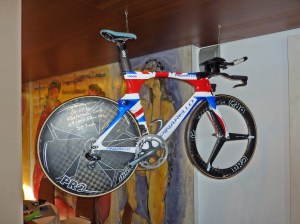
  7. A slow ride to the pleasant town of Arta and a meal in the town square, returned the same way to Port d’Alcudia and continued along the coast road to Port de Pollenca to a packed Tolo’s Restaurant to watch the conclusion of the Paris-Roubaix bike race on TV. Bradley Wiggins gets in there now and then when he is training and there are a couple of his bikes hanging off the ceiling, including the one he won the world time trial on in 2014 (82km).

www.mallorcacycling.co.uk/ A comprehensive guide to cycling in Majorca.

www.cyclinglocations.com/mallorca/   Further information and ride suggestions.

http://www.mallorca312.com/   A Challenging one day sportive ride that does a full lap of the island 312km (194 miles).


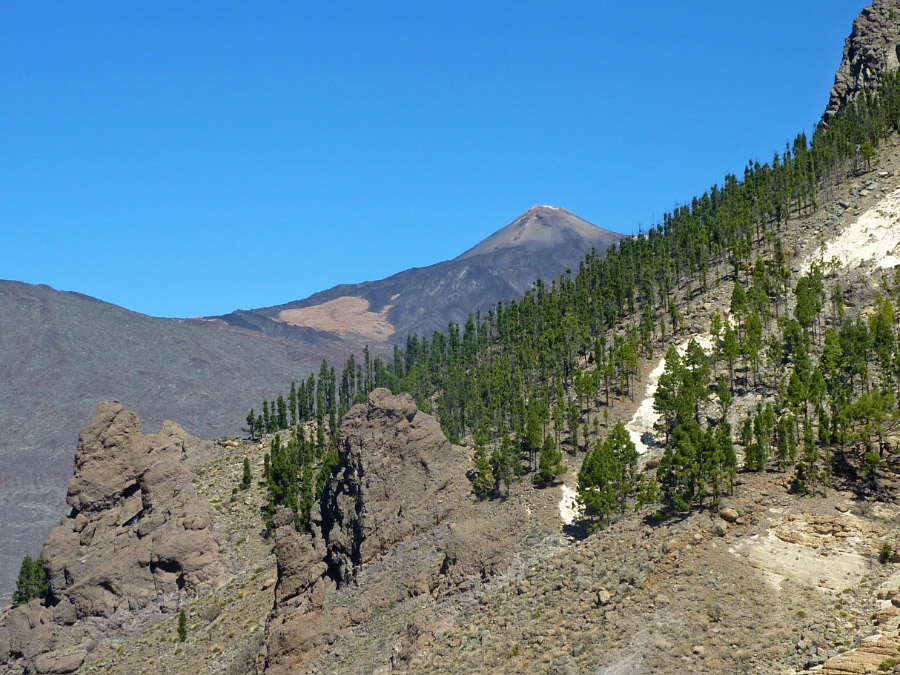
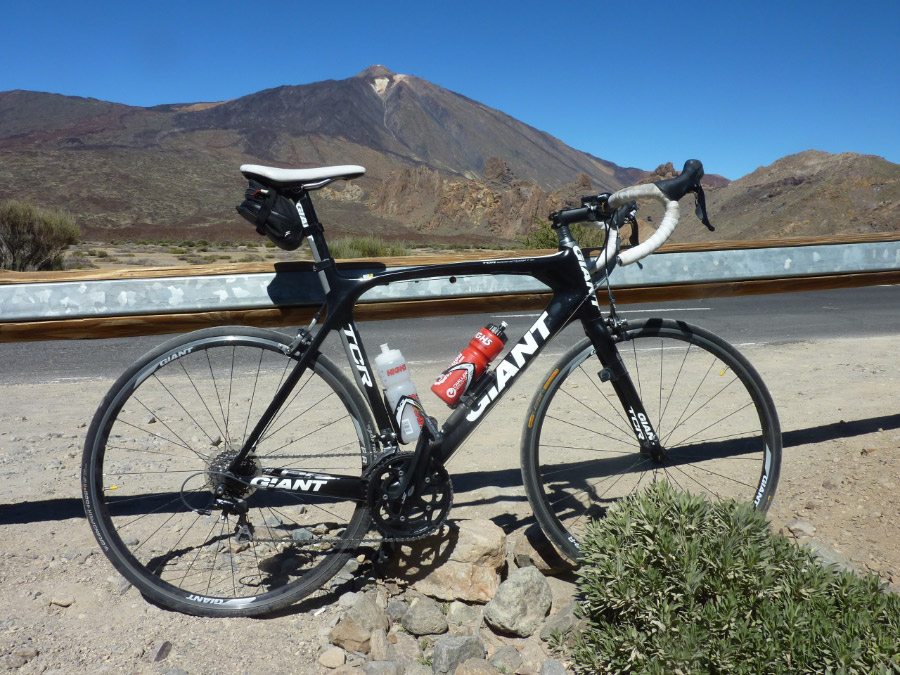
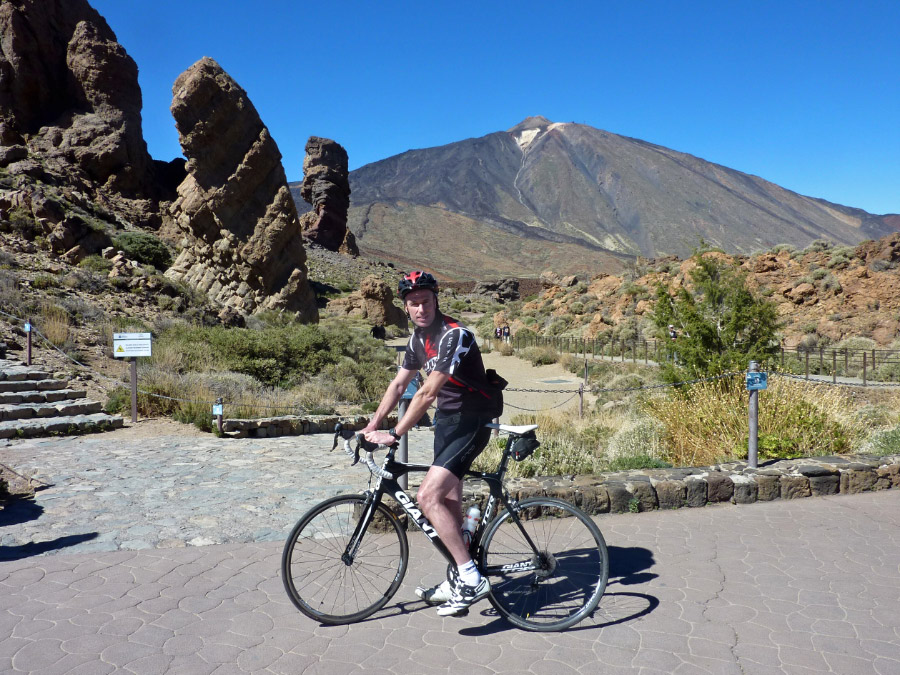
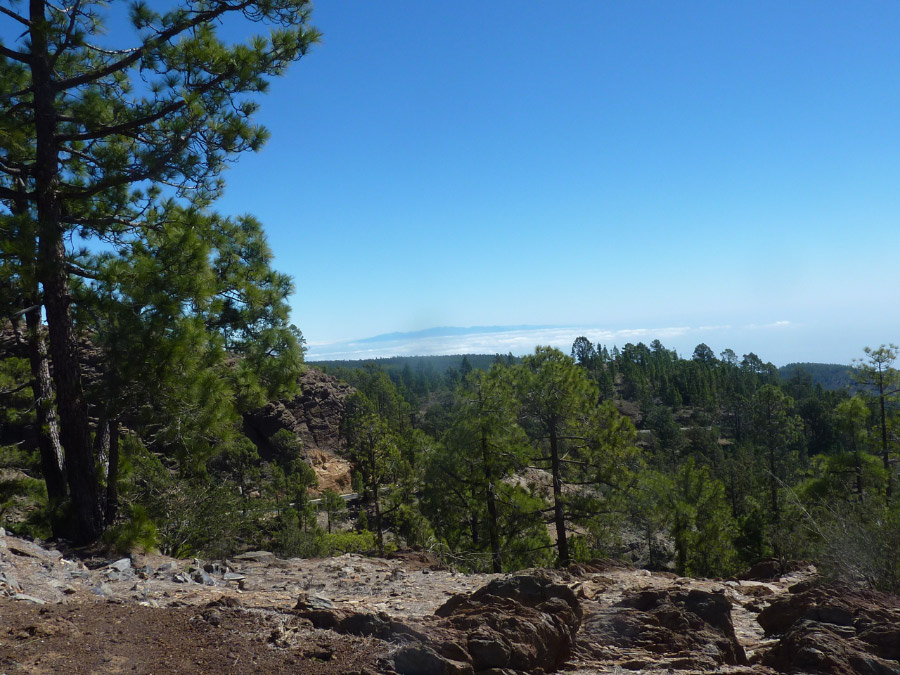
Teide National Park on the ride down to EL Portillo

Tenerife 2015

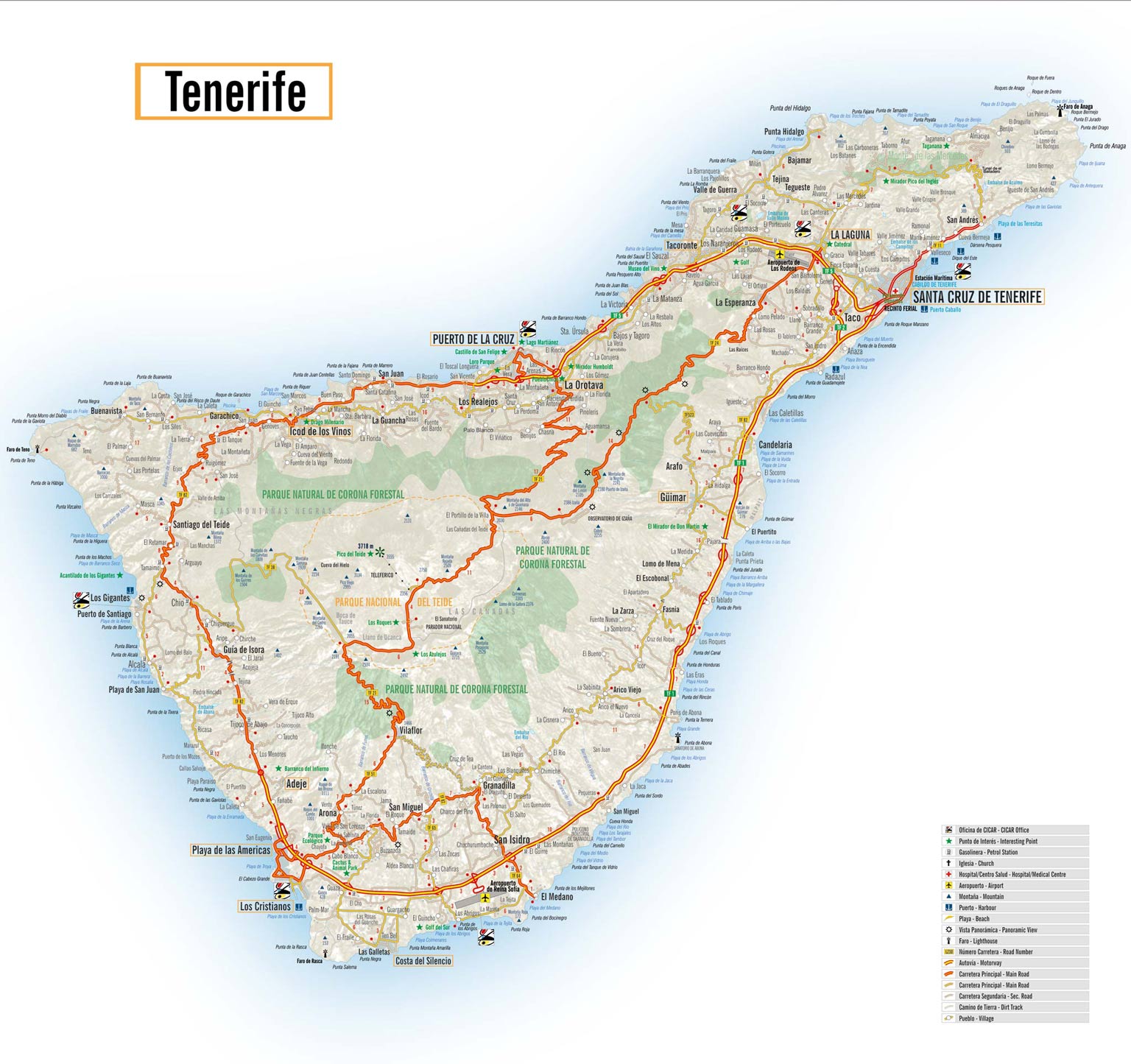
Tenerife Map

Ankle surgery at the end of 2014 meant that my holiday leave at work had started to pile up and I would have to use it by the end of March. I normally head up to Scotland at this time of year to go mountaineering and ice climbing but with a dodgy ankle that didn’t seem like such a good idea this year, so instead I looked for something a little different and the “Isla de la Eternal Primavera” – the Island of Eternal Spring – started to appeal.

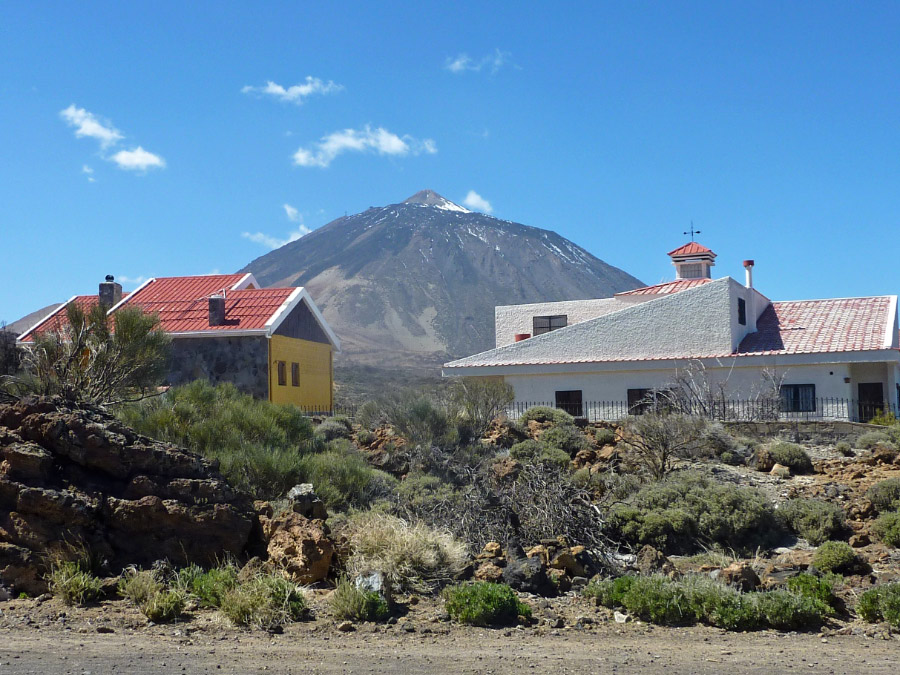
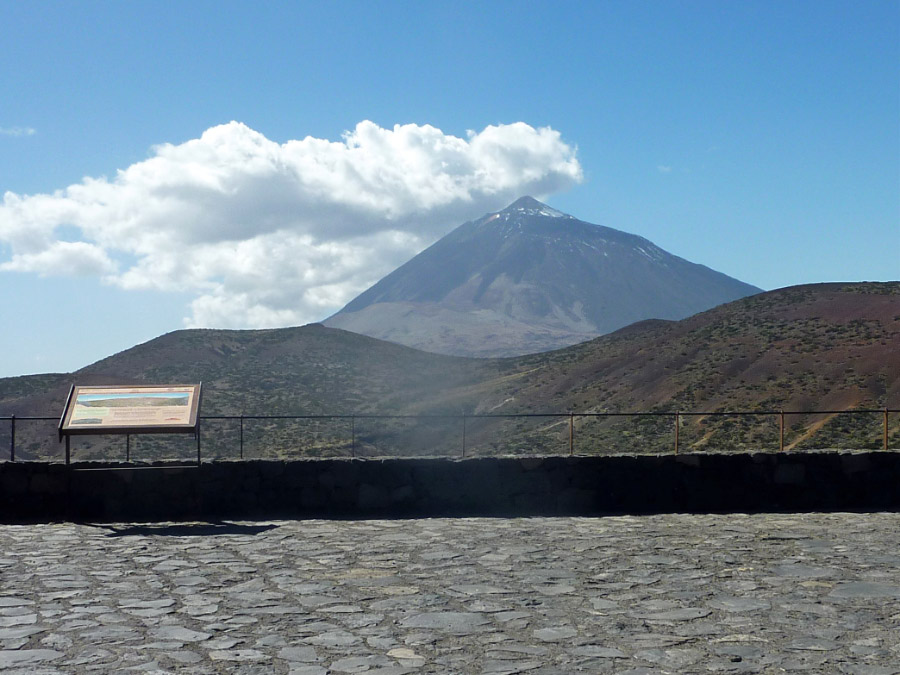
Tenerife is the largest of the seven Canary Islands and lies about 186 miles off the west African coast. The island is about 60 miles long and 30 miles wide tapering to 10 miles and is dominated from the centre by the volcano of Mount Teide which stands at 3718m and is tall enough to effect the climate of the island, the North side being wetter, cloudier and greener and the southern side more arid and dry.

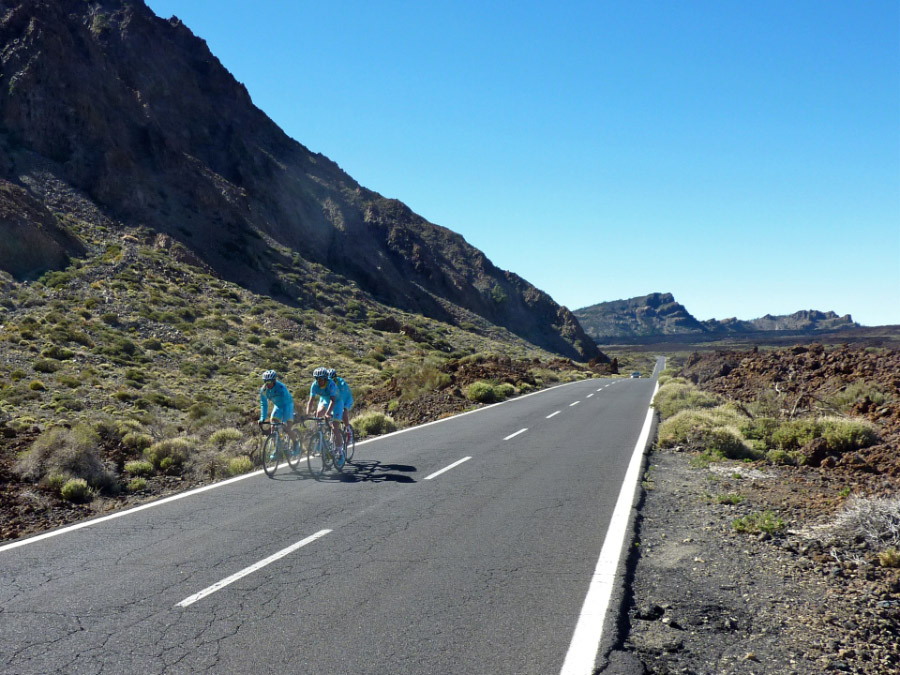
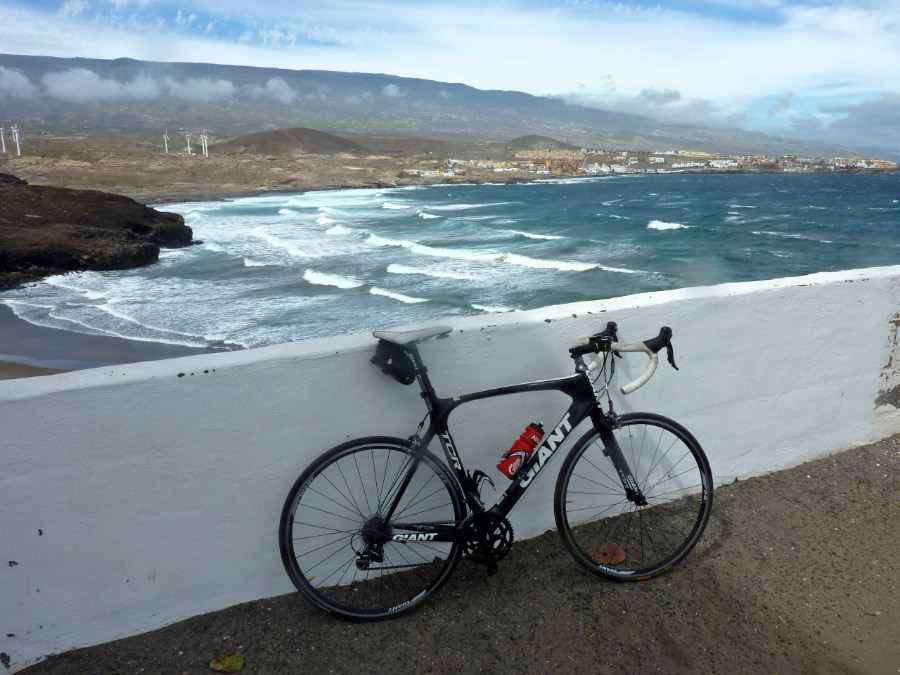
For the first week I was staying with Geoff who runs cyclingtenerife.com and has a villa in San Miguel which is about a 20 min drive from the southern airport at an altitude of 550m, well above the busy roads around Los Christianos and the coastal motorway. I decided to bring my own bike with me but it is possible to hire good quality bikes here too, Bike Point has shops in El Medano and Los Christianos. This was my first visit to Tenerife and I decided to come here at short notice and didn’t really know much about the place, I must admit I was surprised at how tough and seriously hilly the cycling is here, for example the road from Los Christianos up to Mount Teide cable car at 2300m is about 40km long and practically all of it is uphill! If climbing for hours on end is not your thing you can cheat a little….. the local green Titsa coach bus leaves Los Christianos at 9.30 every morning and you can get a bike in where the suitcases normally go, and then enjoy a fantastic descent. The Pro cycling teams use Tenerife a lot and often stay at the Parador hotel in Teide National Park and it easy to see why they come, the climate is great in the winter, the scenery is varied and spectacular and the cycling is challenging and they can choose the altitude they wish to train at (train low, sleep high) and up in the Teide National park once all the tourists go in late afternoon , there is privacy, quiet and no distractions.

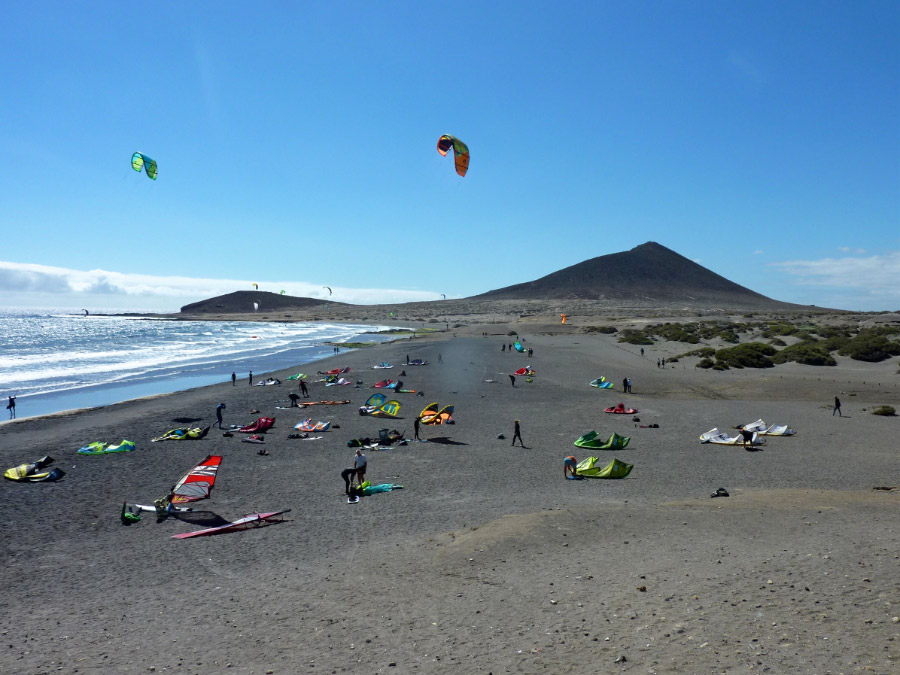
El Medano bay

El Medano bay

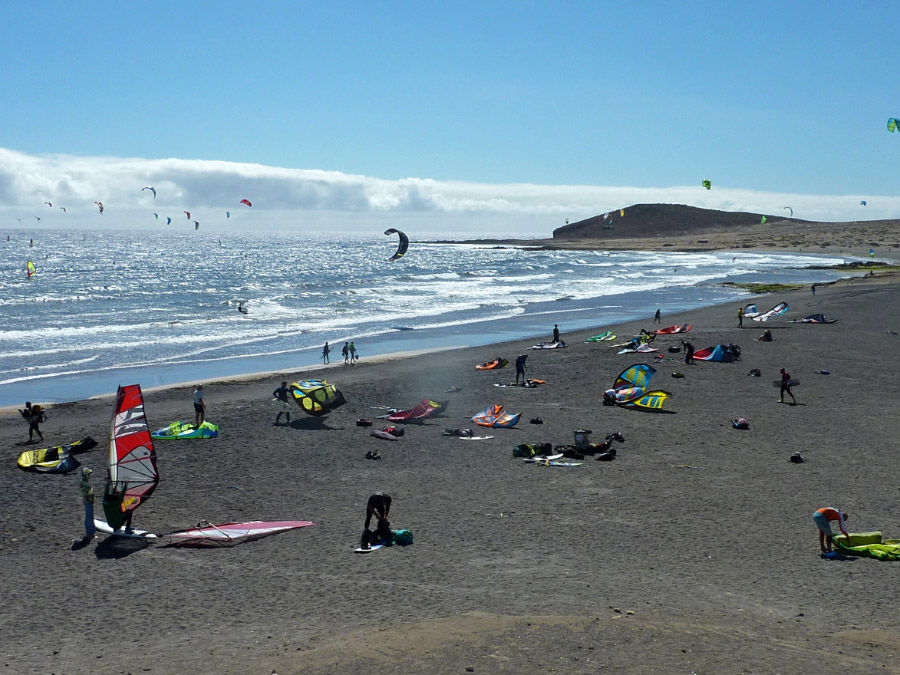
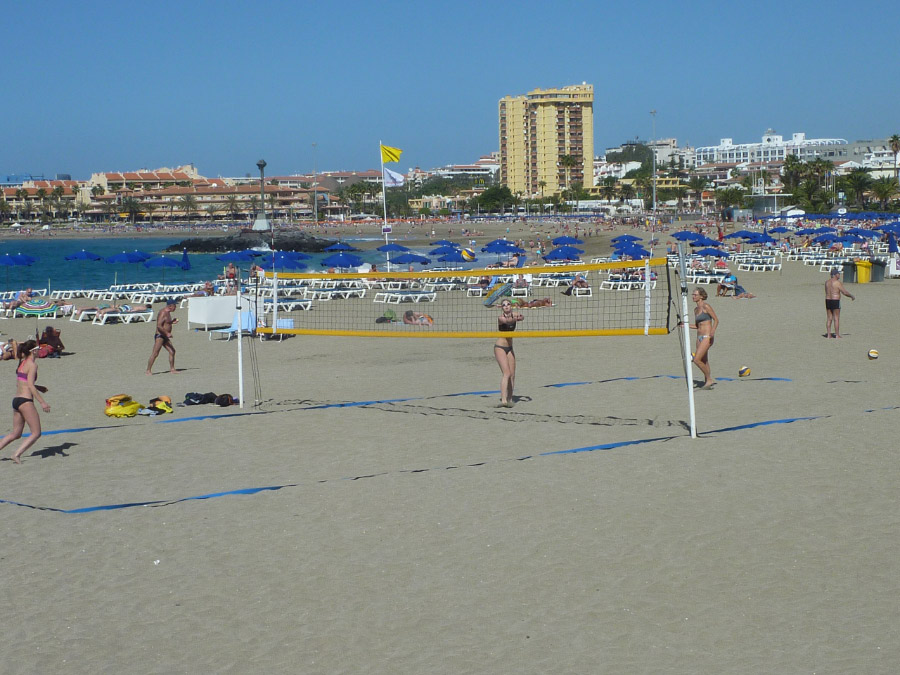
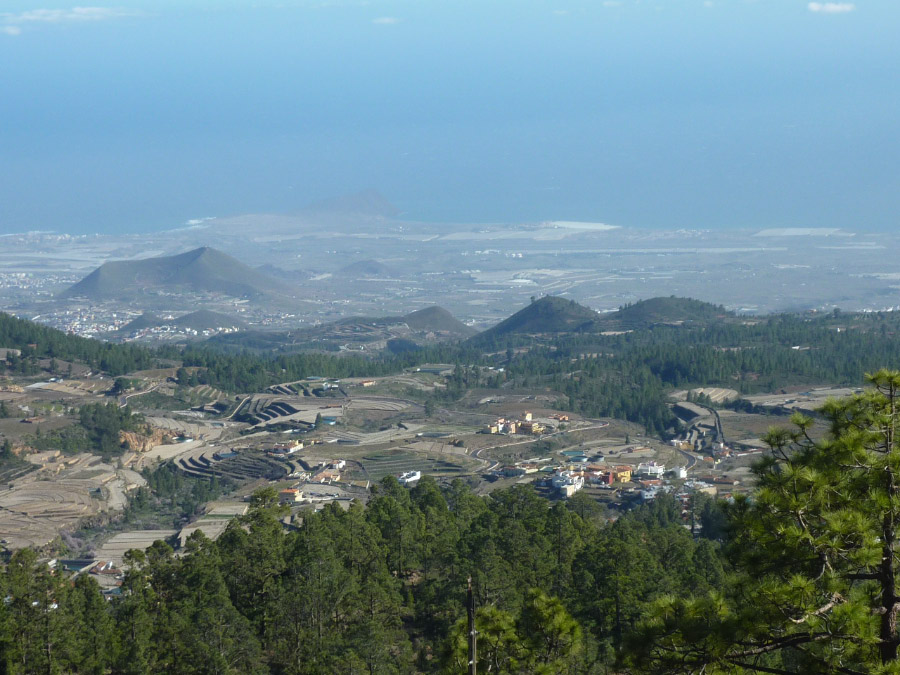
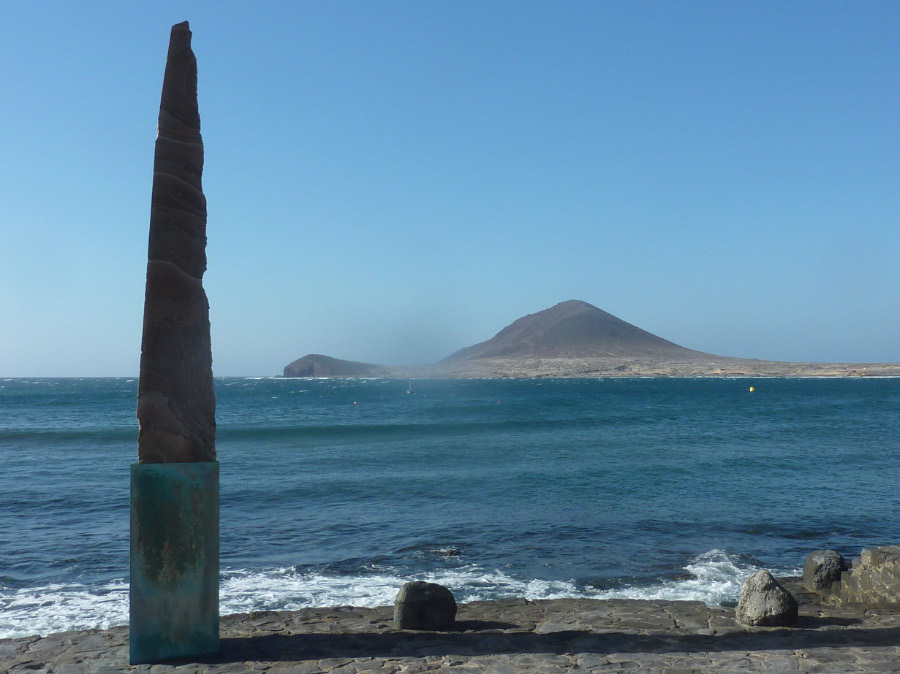
The second week I was based at El Medano, a charming coastal resort town near to the southern airport and stayed at the cheap and cheerful Casa Grande Surf Hostel. The town has excellent long beaches and has a very laid back atmosphere to it, however it is a notoriously windy place and is a Mecca for sea sports , with people coming from all over the world to go surfing and kite boarding, I contented myself with swimming in the sea which at 18 degrees was chilly to start with but fine once you were in. From the top of the nearby Montana Roja, which is a very pleasant walk from town, you get a great overview of the surrounding area.

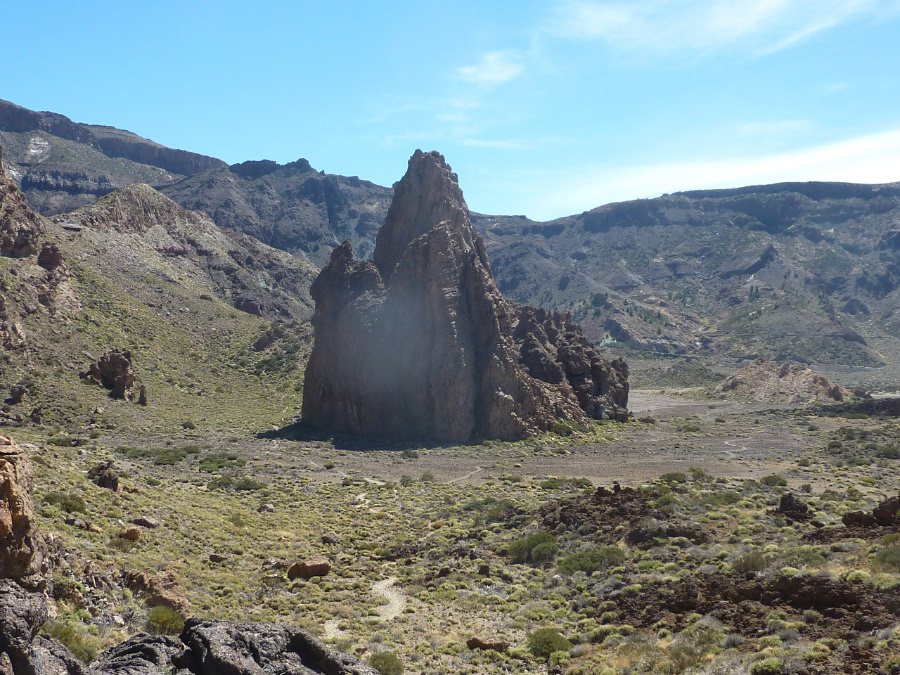
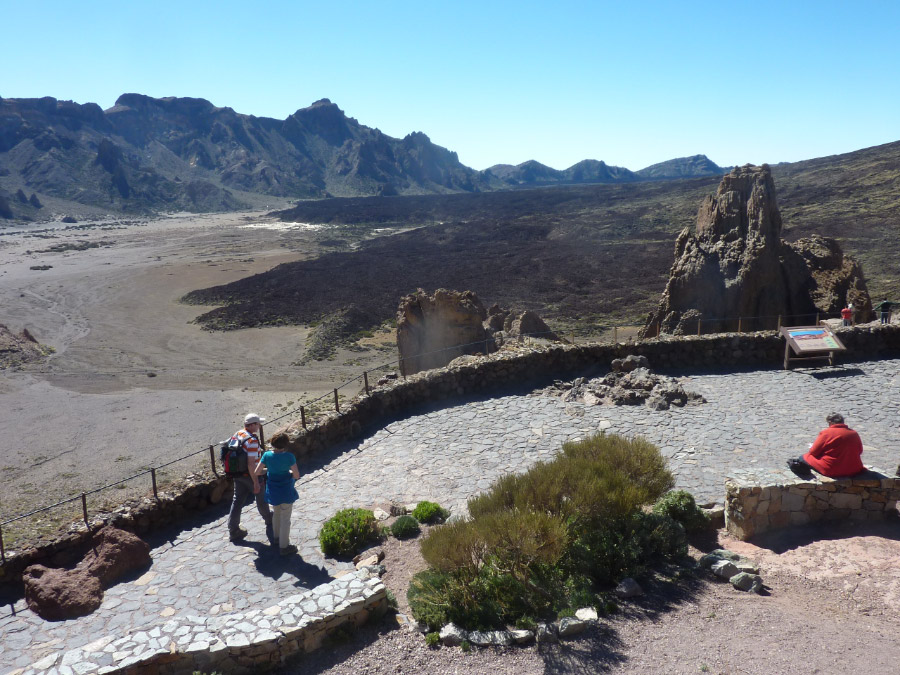
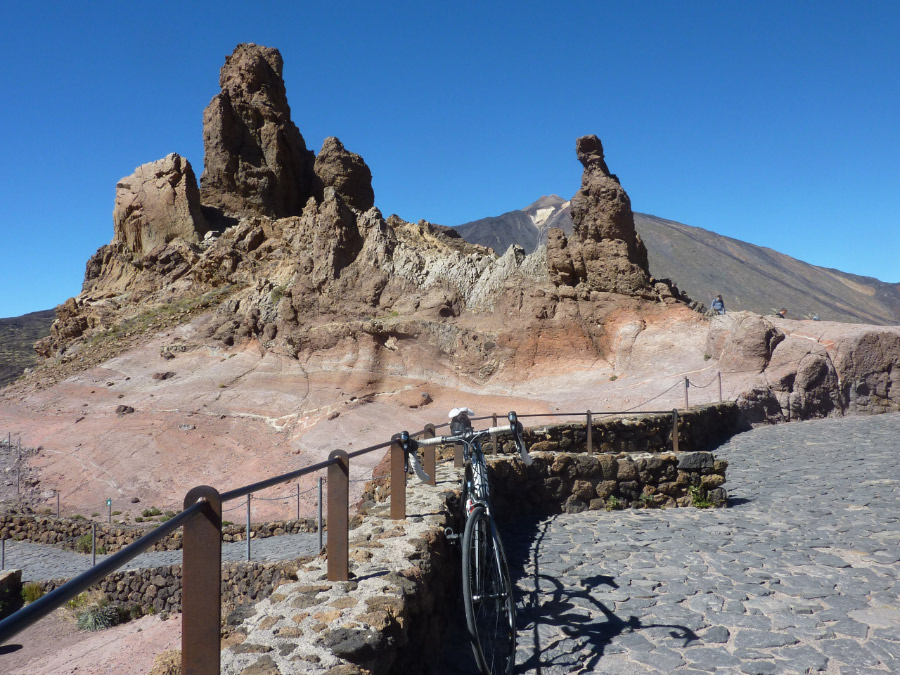
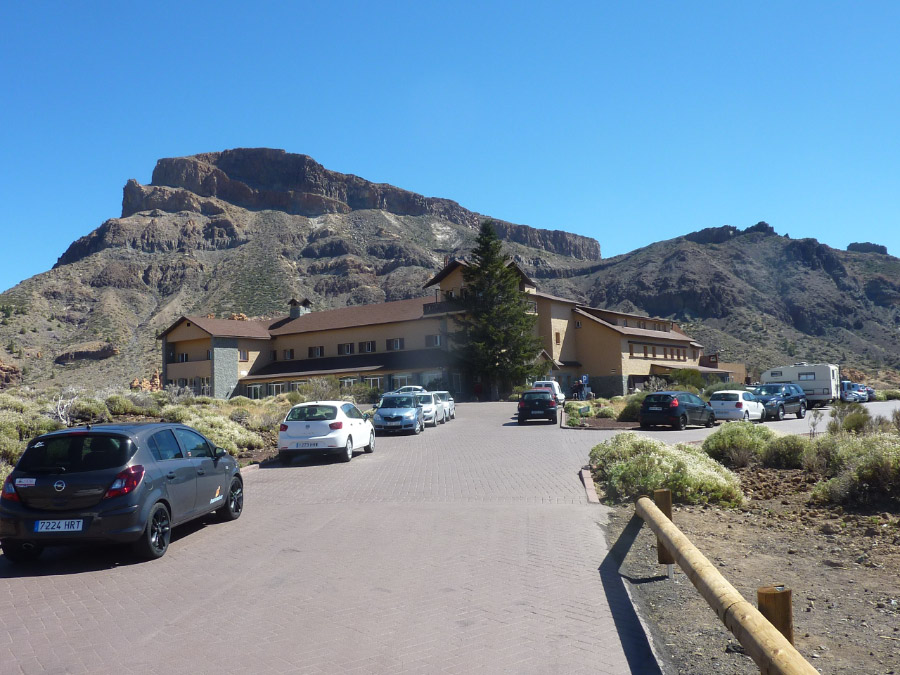
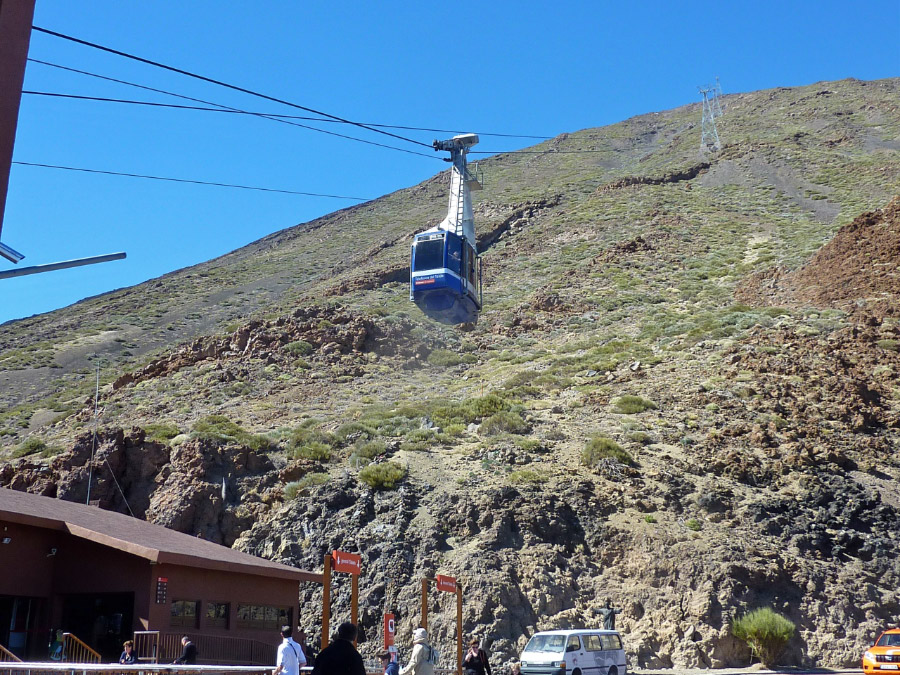
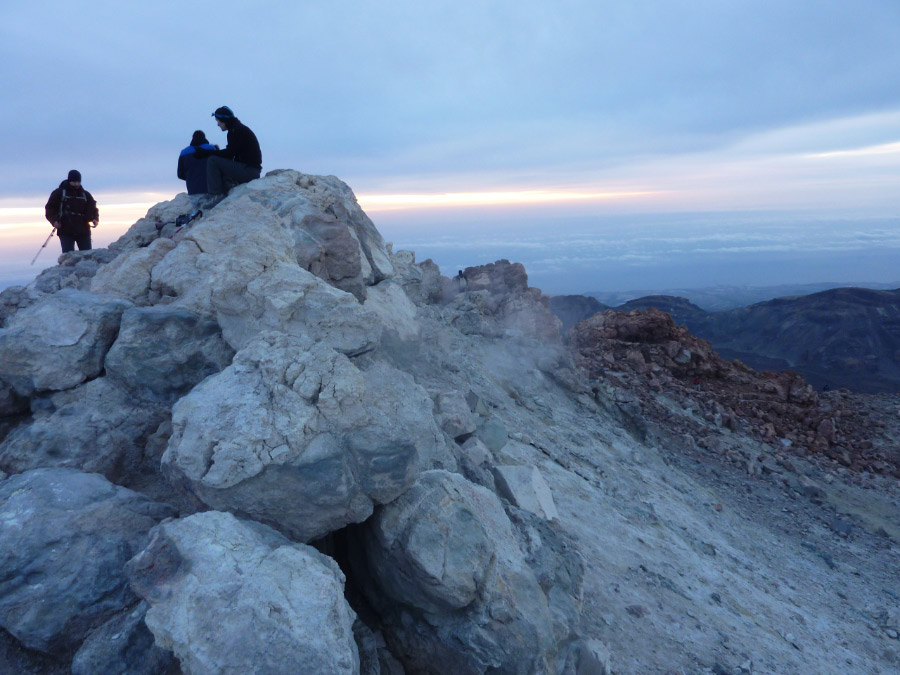
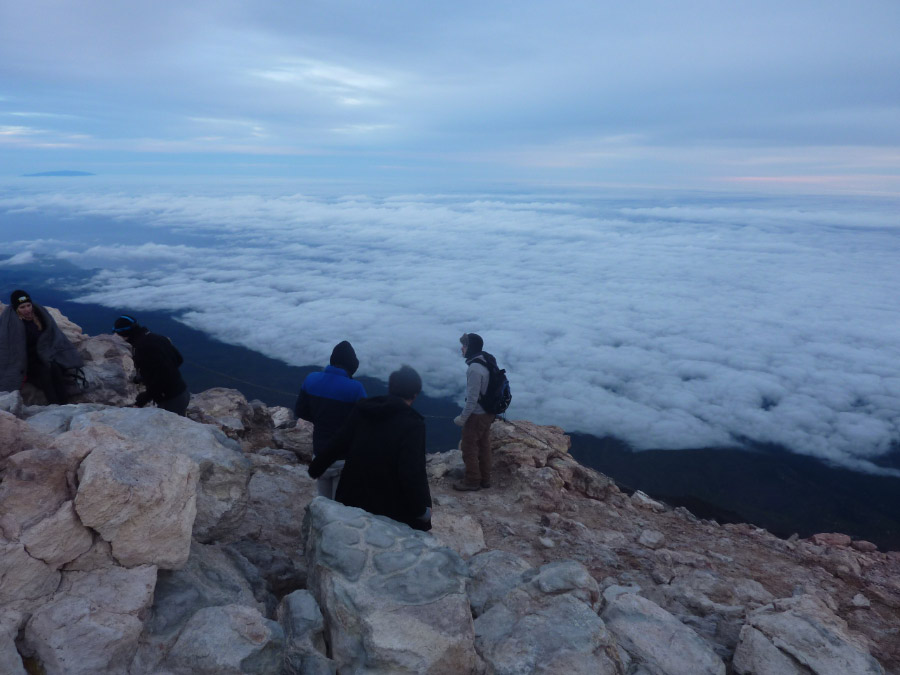
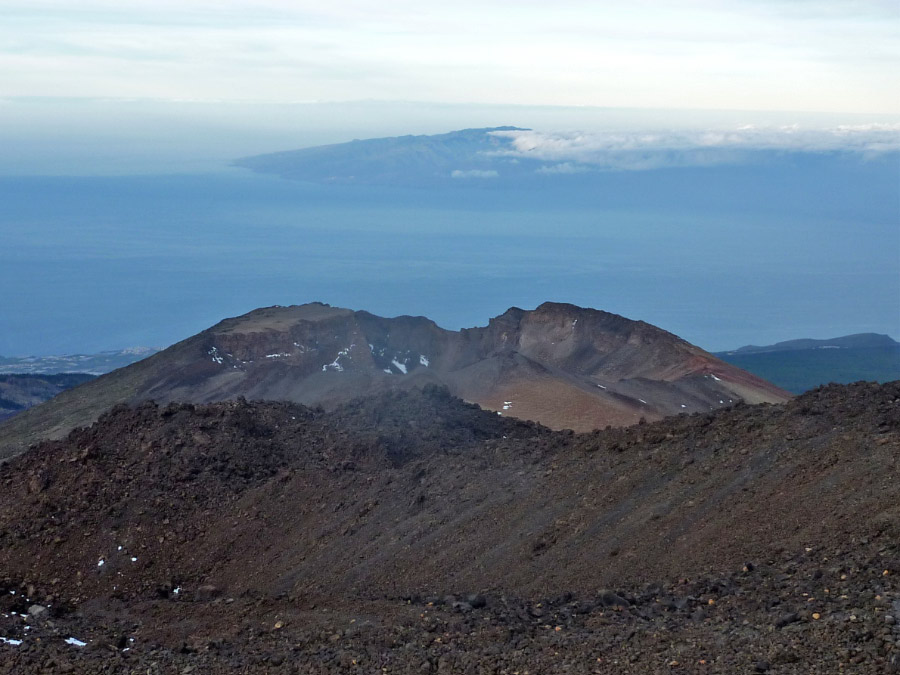
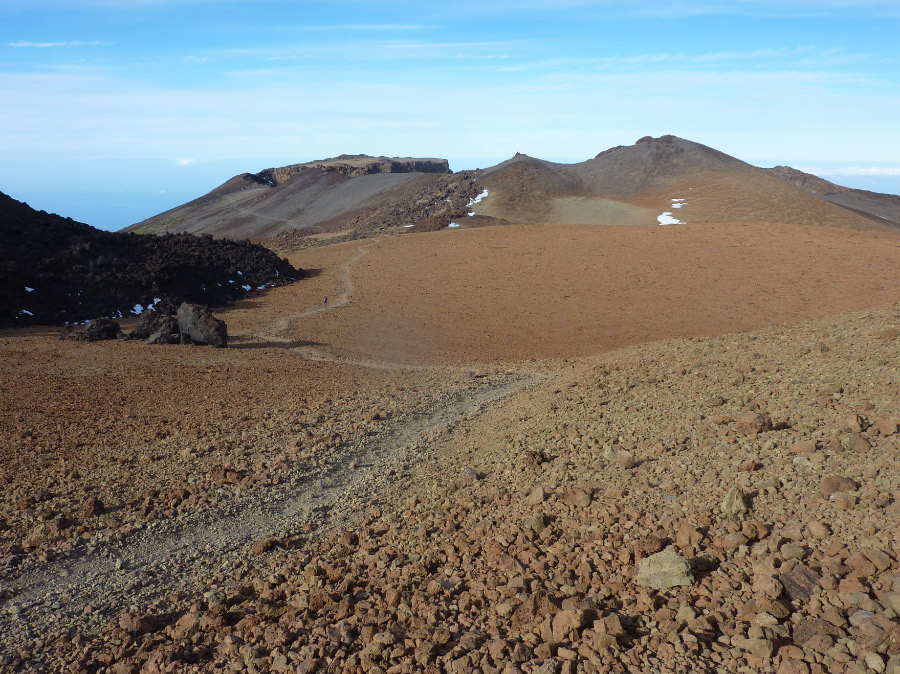
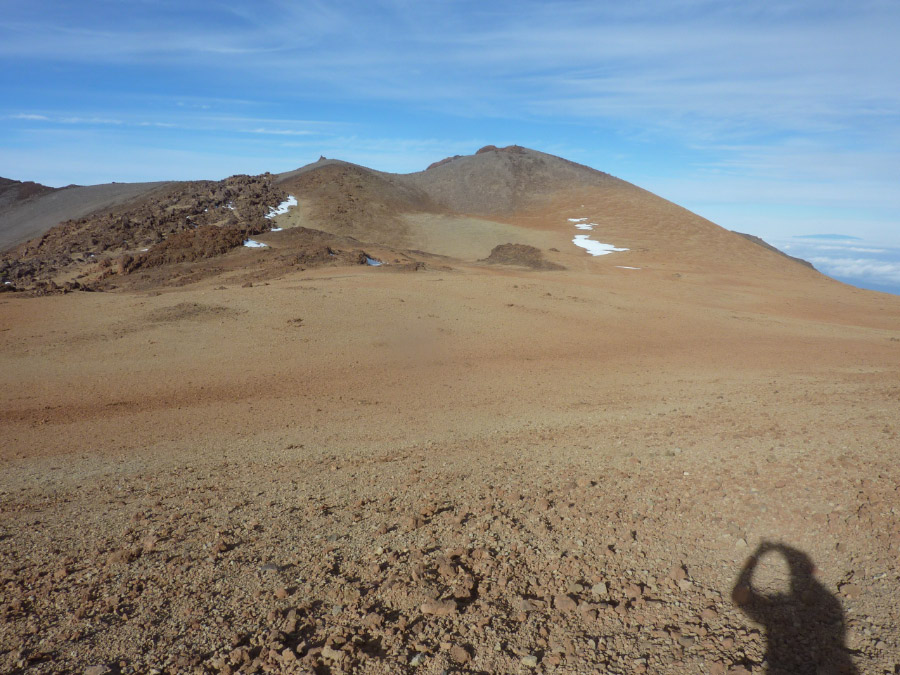
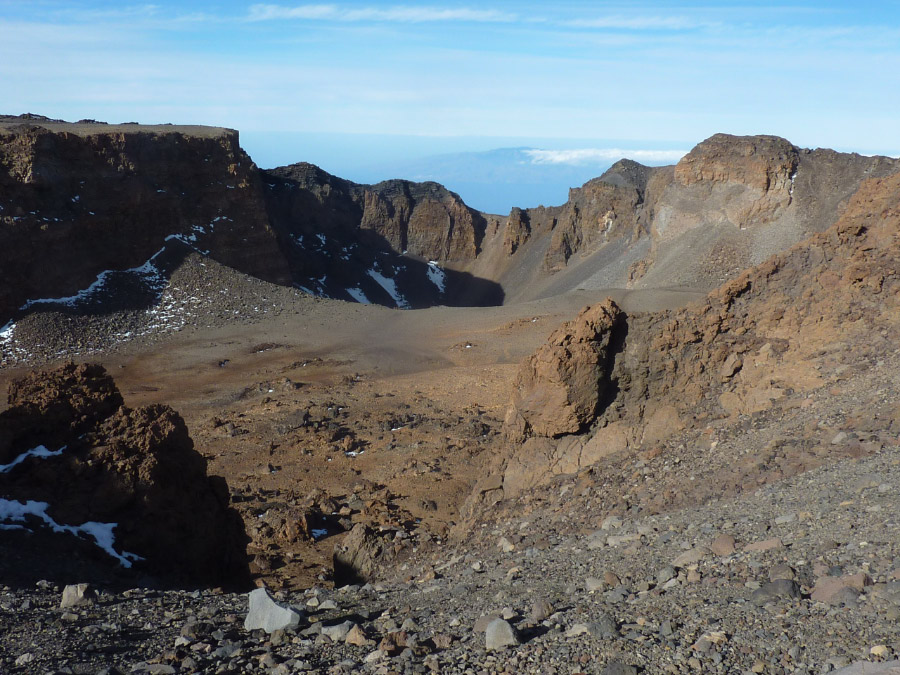
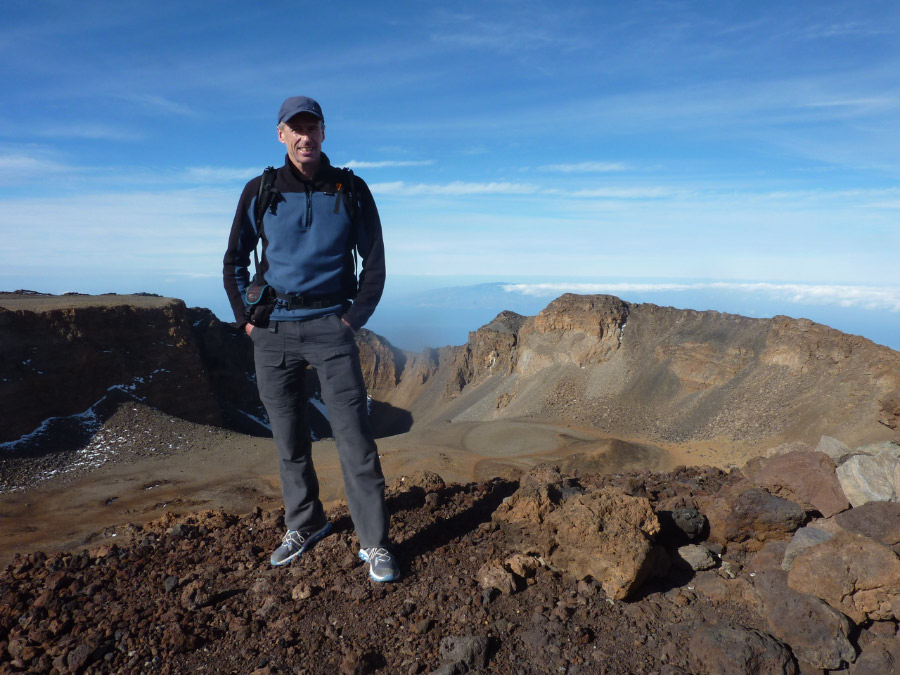
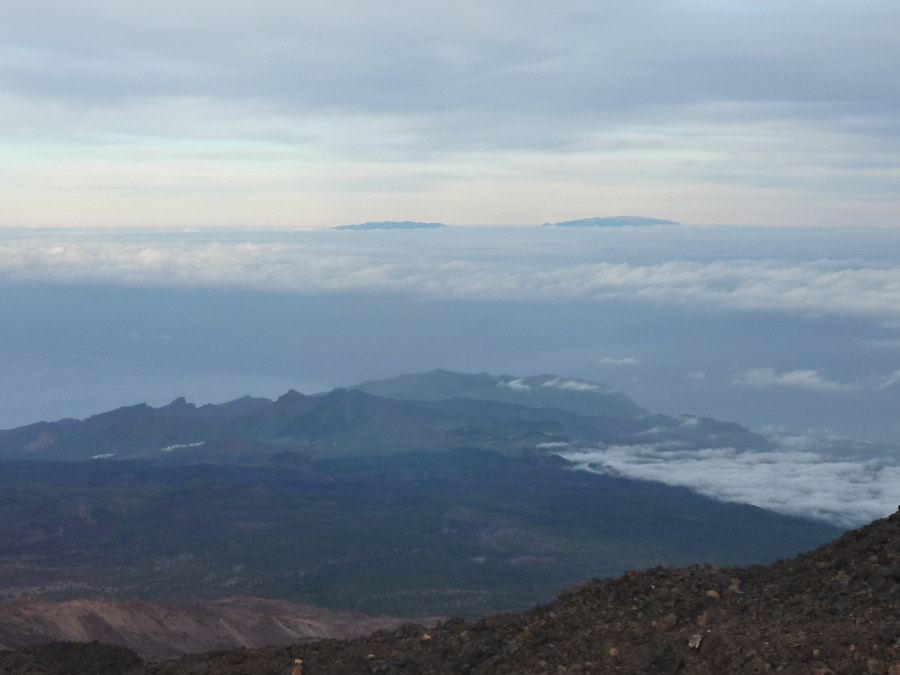
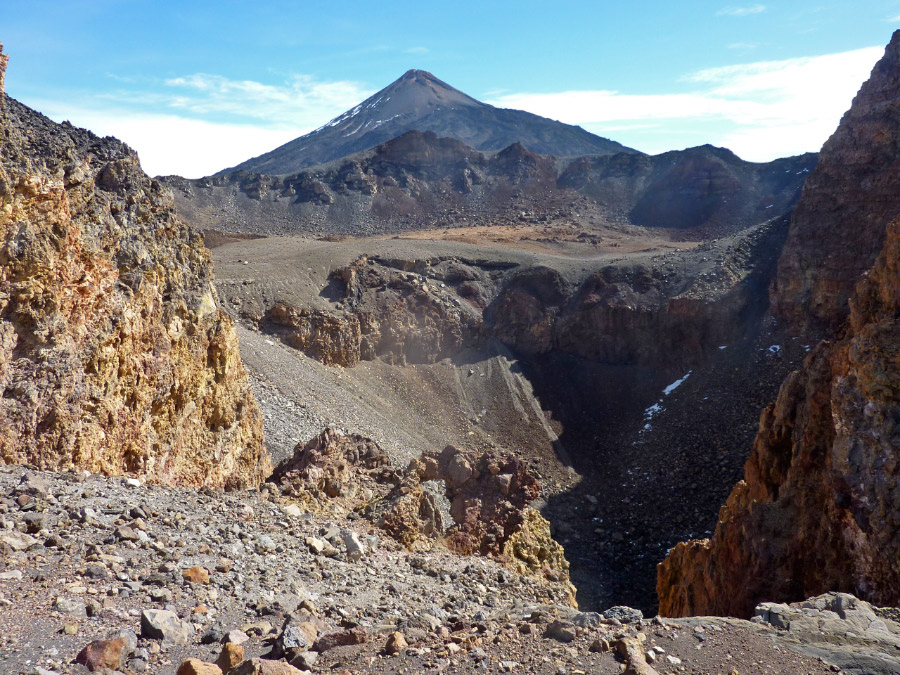
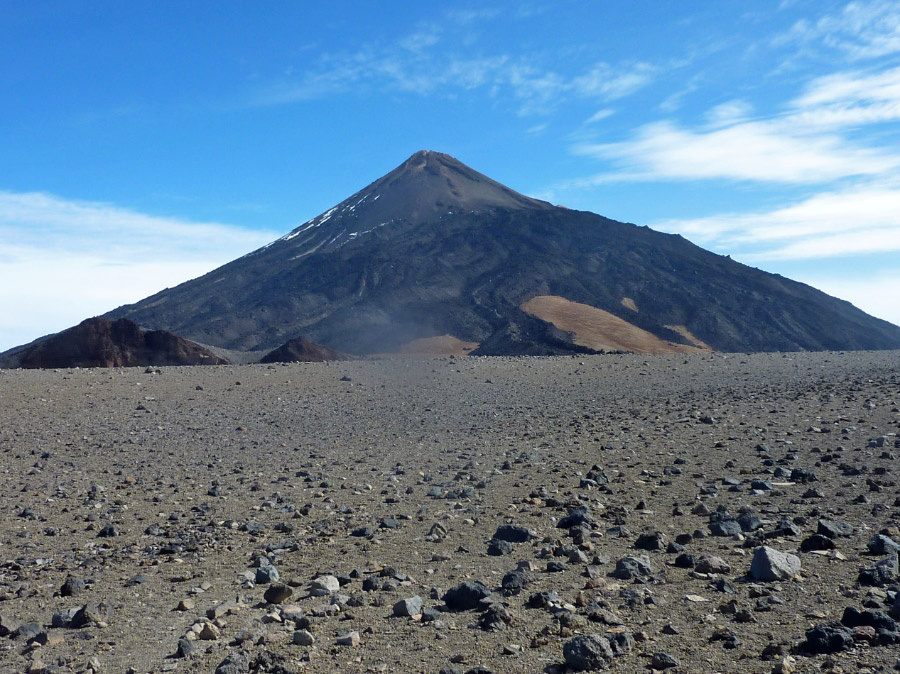
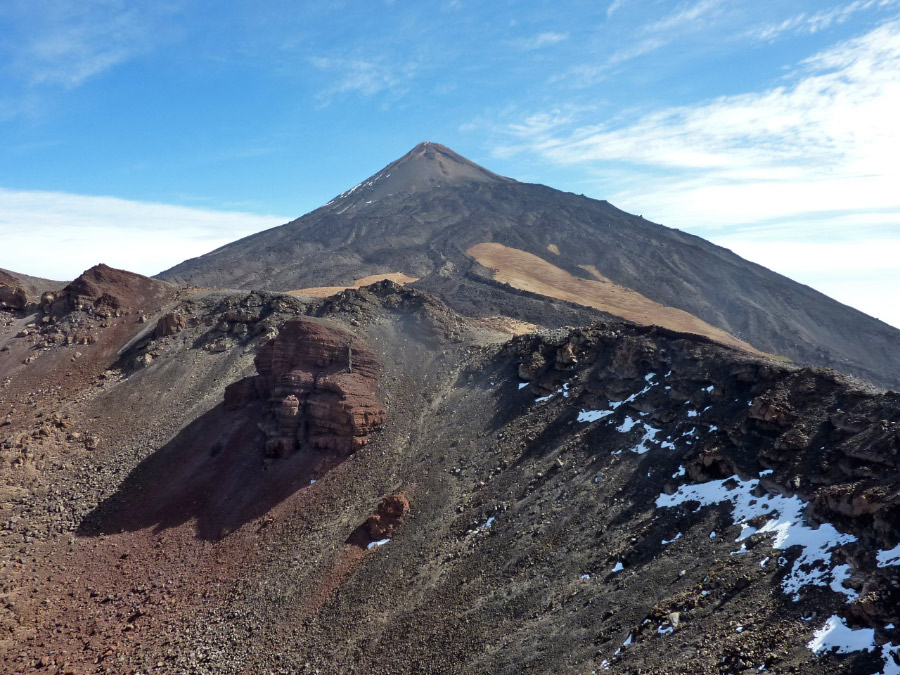
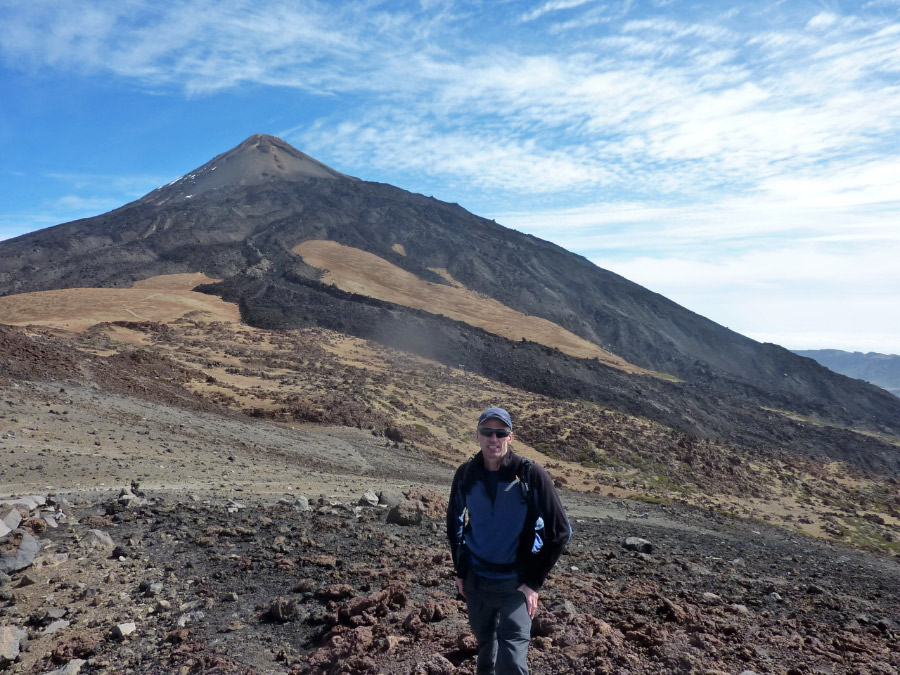
I was very impressed with Mount Teide National Park and its stunning natural scenery so I booked online an overnight stay at the Altavista mountain refuge (3279m) . To climb to the top of Teide itself you need a permit (which is free but you need to apply online), however if you stay at the hut it is included in the deal. I got the bus from Los Christianos up to the Parador Hotel where there is a good cafe and information centre and spent sometime exploring the easy trail around the impressive rock formations of the Roques de Garcia and then walked the 4km or so through a desert like landscape to the base of the Teleferico (2356m) and took the last ride up to the top station situated at 3555m, from here it’s a 40 min or so hike down to the Altavista hut which can sleep 51 people though was only about half full when I was there. You can buy water here (expensive!) but you need to bring your own food. The next morning I and a few other set off at 5.20am in total darkness using our head torches to trek back up to the Teleferico top station and then continue on the rocky path up to the cone of Teide itself, past the steaming fumaroles and smell of sulphur, right to the summit itself and we stopped there an hour waiting for the sun to rise. I saw the greener North side and its blanket of clouds, the observatory in the distance and Pico Viejo ( the old volcano) not too far away with some of the other Canary islands seemingly floating in the sea of clouds above it. I walked back down to Parador via the stunning Pico Viejo path (which is quite rough and difficult in places as it crosses a couple of lava flow sections) you can actually go right up to the lip of the old volcano (3135m) and peer down into its crater and Martian like terrain and try to imagine what it must have been like when active.

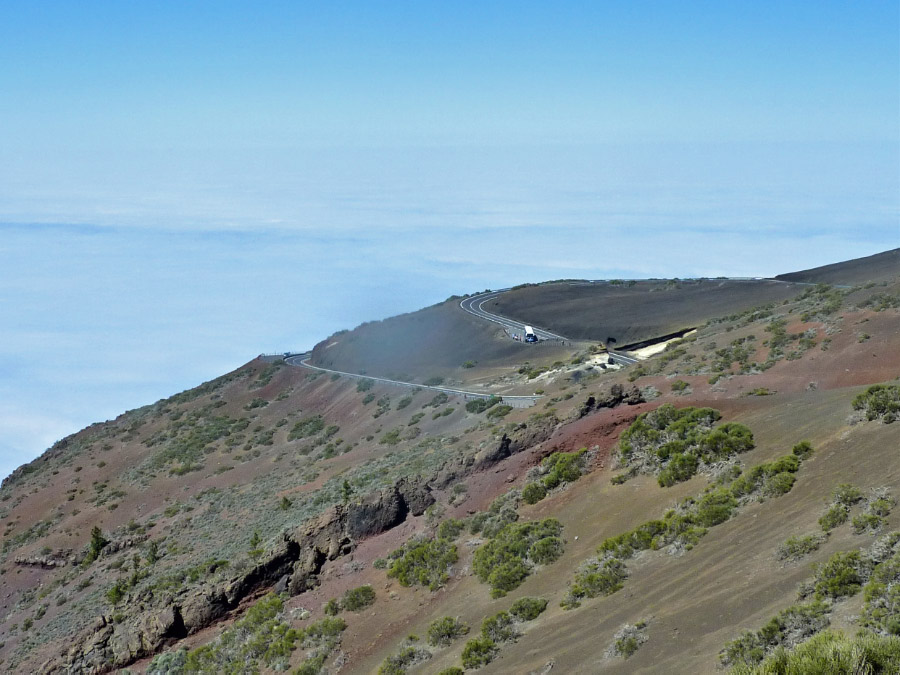
Looking down on the clouds on the road past the Observatory

Looking down on the clouds on the road past the Observatory

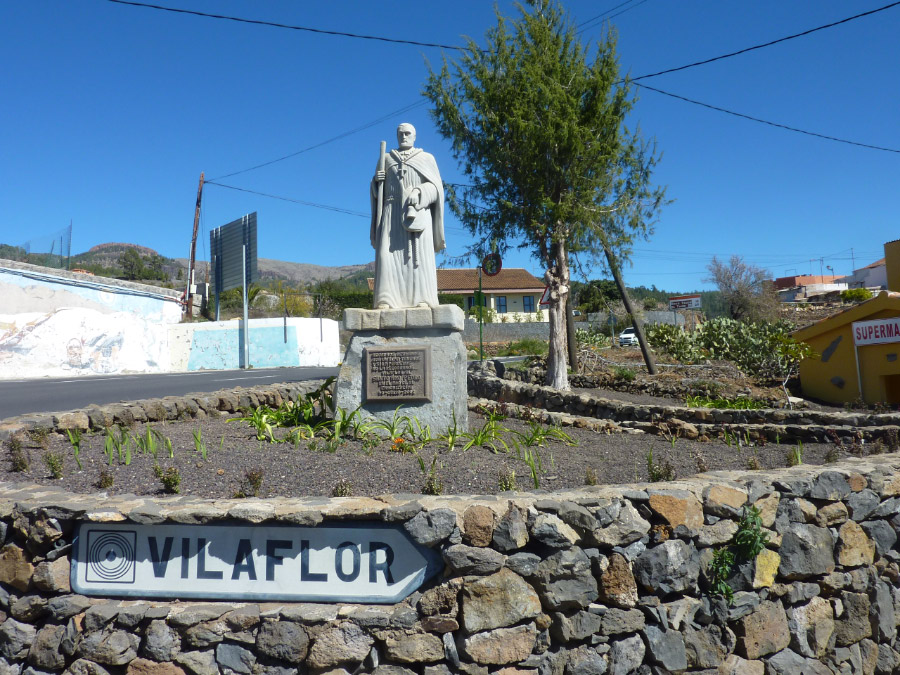
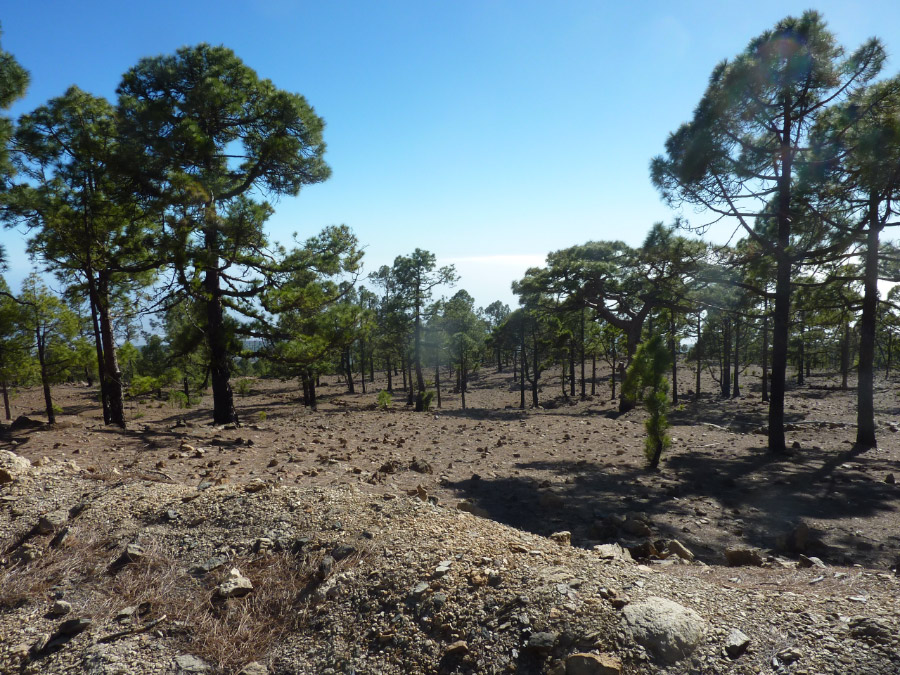
After these few days exploring the beaches of El Medano and Mount Teide Park I returned to stay at Geoff’s place in San Miguel again, as he said he had a challenging ride for me if I fancied it… The route headed north on the TF-565 to La Escolona and turning right to Vilaflor, the highest village in Spain. The road steepens a little as it winds its way through the Coronal pine Forrest, eventually the trees start to thin out and you emerge onto the edge of Mount Teide National Park and drop down to the huge sunken crater with its amazing colours and rock formations and great views of the cone of Teide itself. A steady climb brings you up to the Parador Hotel where there is a good restaurant and information centre, a further deceptively hard drag up brings you to the base station of the Teleferico at about 2300m. This is then followed by a fast section through the lava fields and extensive views of Teide and the surrounding area before swooping down to El Portillo. There is a very nice restaurant here right on the junction of the TF-24 and I stopped here for the dish of the day, not quite realising it was a substantial 3 course meal with wine. The route turns right here and follows the TF-24 up to the Teide Observatory, Geoff described this section as undulating but after that  massive lunch I found it a bit of a struggle! There are great views along this road of the Observatories ahead and looking back to Teide itself before eventually the roads descends and through the forest you need to keep a look out for a right turn, the TF-523 to Arafo and Guimar. This section is an absolutely fantastic descent with mile after mile of sweeping bends and fast straights with hardly any traffic at all, it would be a real struggle coming up this way, it was chilly descending near the top but you could feel the heat rising up as you got nearer the bottom. At Guimar I picked up the TF-28 for the 30 miles or so back to San Miguel, for me this was the toughest part of the ride, firstly there is a longish climb back out of Guimar then the road undulates through Fasnia, Arico and Granadilla, crossing numerous ravines (barrancos) which involves the road cutting inland and descending before crossing the ravine and then climbing back up the other side. Eventually I rolled back into San Miguel at 6.40pm and 95 miles on the clock, it had been a tough tiring day in the saddle.

I really enjoyed my two weeks in Tenerife, the weather was great, the scenery varied, there was some great hiking up in Mount Teide National Park and the cycling was very tough with lots more to do and the beaches were great for relaxing on afterwards. I look forward to coming back sometime and exploring more of the island particularly around Masca and the North side.


Derwentwater swim header

Derwentwater Swim

Dreaming-up and executing your own mini adventures is always more satisfying and certainly cheaper than signing up for something and handing over a wad of cash, but when things go a little wrong then it is up to you to get through it and find a way out…..

August 2013 and a group of us headed over to Keswick in the English Lake District. In the last few years we had been bitten by the Triathlon bug and had become increasing addicted to tight-fitting lycra and neoprene. The Lake District is a fantastic location for triathlons but you always know you’re in for a tough day over there, the lakes are usually cold, the biking hilly and the run is normally up a mountain somewhere, but today our focus would be on swimming.

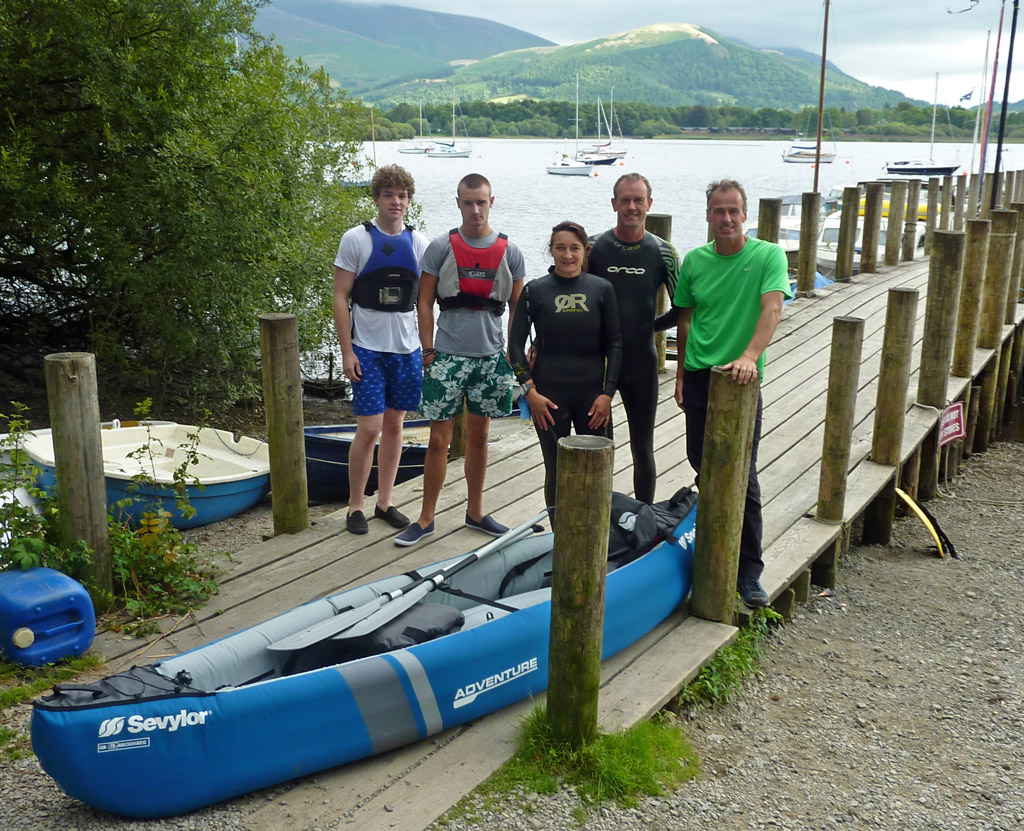
Three swimmers and two canoeists at Nicholl End Marina

Three swimmers and two canoeists at Nichol End Marina

Derwentwater lies at the foot of Keswick and is in a beautiful location, it is approximately one mile wide at its broadest point and three miles long and today we were hoping to swim those three miles. Nathan and Josh had volunteered to paddle along side of us in a safety canoe. The way we planned it was to use two cars, we drove both of them to the finish and left one there,  then drove back to the start at Nichol End Marina in the other car, an elegantly simple and foolproof plan i think you`ll agree.

The weather wasnt the beautiful blue skied day we were hoping for and there was a bit of a breeze blowing on the shore but it was ok and everyone felt good and eager to get into the water. From Nichol End we set off swimming and turned left to get to the northernmost tip which looks well-defined on the map, however it soon got very shallow and clogged up with weeds, so we went as far as we could before turning south and heading for our goal – Kettlewell car park – at the far end of the lake.

The first half a mile or so felt great as you are in a natural sort of bay and it is quite sheltered but as soon as the lake broadened the water became quite choppy, that gentle breeze on the shoreline became quite a stiff head wind in the middle of the lake and we were swimming against it and getting battered by 6 to 10 inch waves whipped up by the wind, this resulted in us getting a face full of water every time we came up for a breath and was hard going. We were in effect swimming the wrong way for the conditions on the day, going south to north would have been so much easier.

We battled on however, ticking off the land mark islands in the lake as we went along and stopping to tread water, rest,  and re-group with our support canoe every now and then. Soon we were past St Herbert’s island and out into the roughest part of the lake which felt more like swimming in the sea at times and our progress was slow and hard but eventually the end of the lake started coming into sight. That last half mile seemed to go on forever and we were getting cold and tired, our thoughts turned to the waiting car and dry warm clothing, steaming coffee and sticky cakes, boy would they taste good ! The southern end of the lake is clogged full of weeds and gets shallow, so again we went as far as we could before turning left and heading for our car. We dragged our cold tired bodies out of the lake and helped beach the canoe, i guess we were in the water for nearly 3 hours. We were elated at having completed our objective in such challenging conditions especially as none of us had swum that far before.

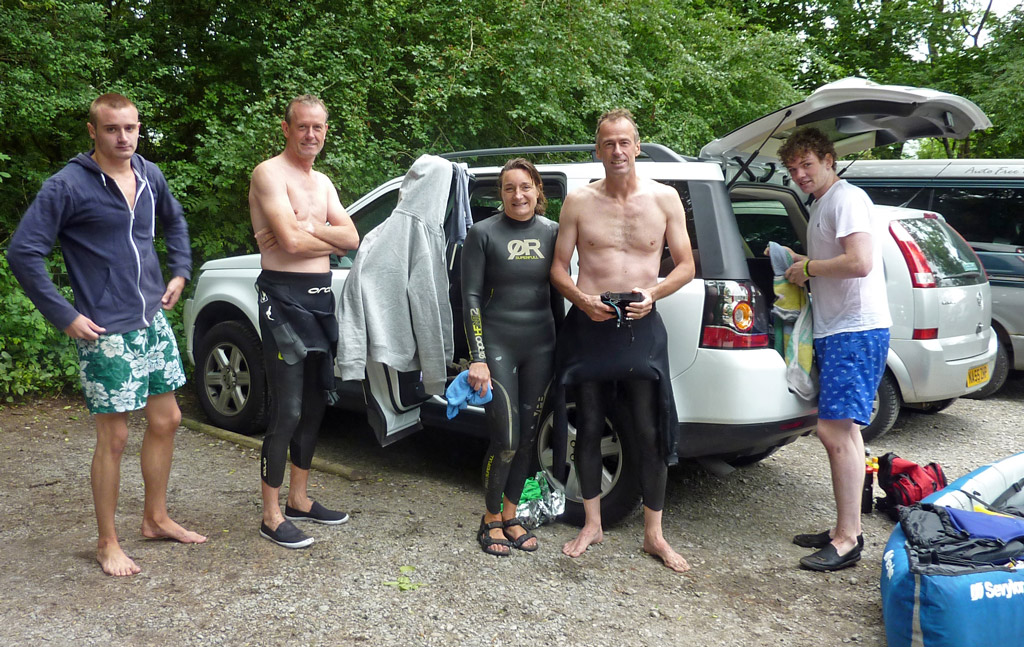
Kettlewell car park after retrieving the keys

Kettlewell car park after retrieving the keys

All eyes turned to Andy to get his car open and get the coffee flowing so we could get warmed up, we watched him rummaging in the canoe for the keys. After a few seconds we started to notice a hint of panic in his searching and then the awful truth dawned on his face as he turned to us and said    “i think i left the keys in the other car….”   That next few seconds were like one of those old spaghetti westerns were the tumble weed is blowing over the desert and the only sound is the wind and a distant bell tolling as we stood there in silence, open-mouthed, looking at him in disbelief.

We will be forever indebted to the kind female canoeist who was there with her daughter and just about to set off on the lake who offered to run Andy (still dripping wet and bare-chested ) all the way back round the lake, through Keswick, to Nichol End in her car, while we huddled together like penguins trying to keep warm in a survival shelter (which she also lent us). Many thanks indeed!

Kangchenjunga 2002

Kangchenjunga camps and tops

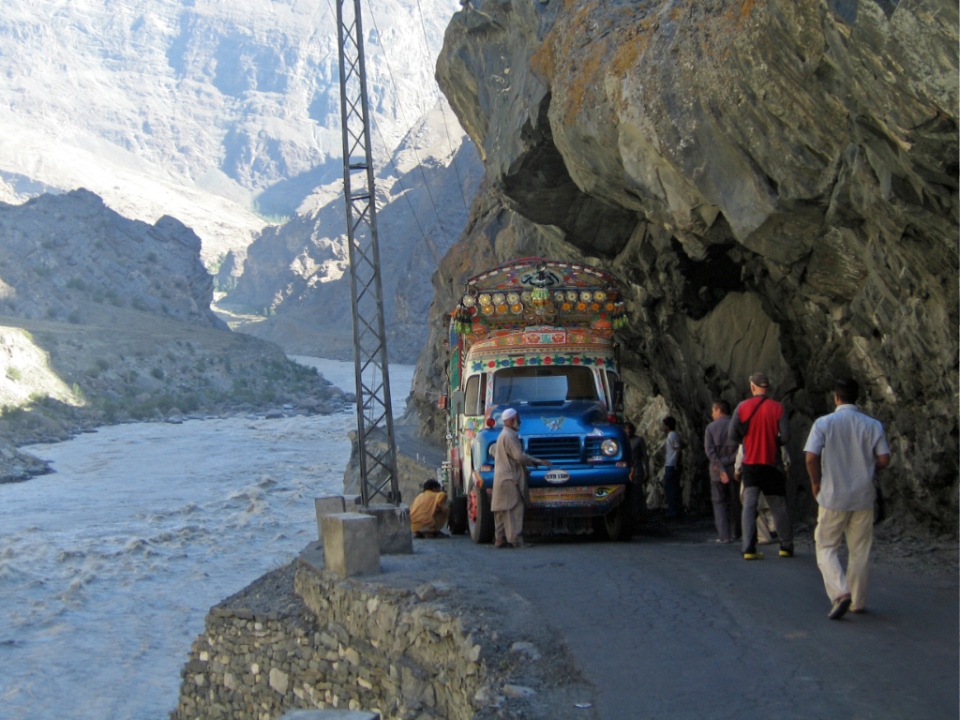
Kangchenjunga  – meaning the five treasures of the snow – is located on the border of Nepal and Sikkim (India), it is the worlds third highest mountain. In 2002 i flew into Kathmandu to join a team of 12 climbers and 7 Nepalese high altitude climbers and apprentices to try to climb the mountain. This was a long expedition, 1st April to 10th June a total of 71 days. After a couple of days in Kathmandu getting our necessary trekking and climbing permits sorted out we were keen to get going – but there was a problem, the country was in the grip of a national strike and travel outside of the city was not possible while it continued. To get round this setback six of the team decided to fly out to Taplejung in a small plane, while the rest of us sat it out in Kathmandu. Taplejung is 500 km east of Kathmandu and is the start of the long trek into Kangchenjunga. The strike ended midnight on the 6th April, one hour later we were packing our rugged coach with a mountain of rucsacs, kit bags, tents and equipment. That day we travelled for 18 hours including a one hour stop to sort the suspension out, eventually we stopped at a lodge in Birtomid and got some rest. The next day was similar but the road quality was worse and got steeper with some crazy hairpin bends, we stopped at Phidim that night unable to go further because a curfew was in place because of the Maoist problem. Another long day on the coach followed this time problems with a fuel line and eventually the bus got grounded just short of our destination of Tapeljung, we had to walk the rest of the way.

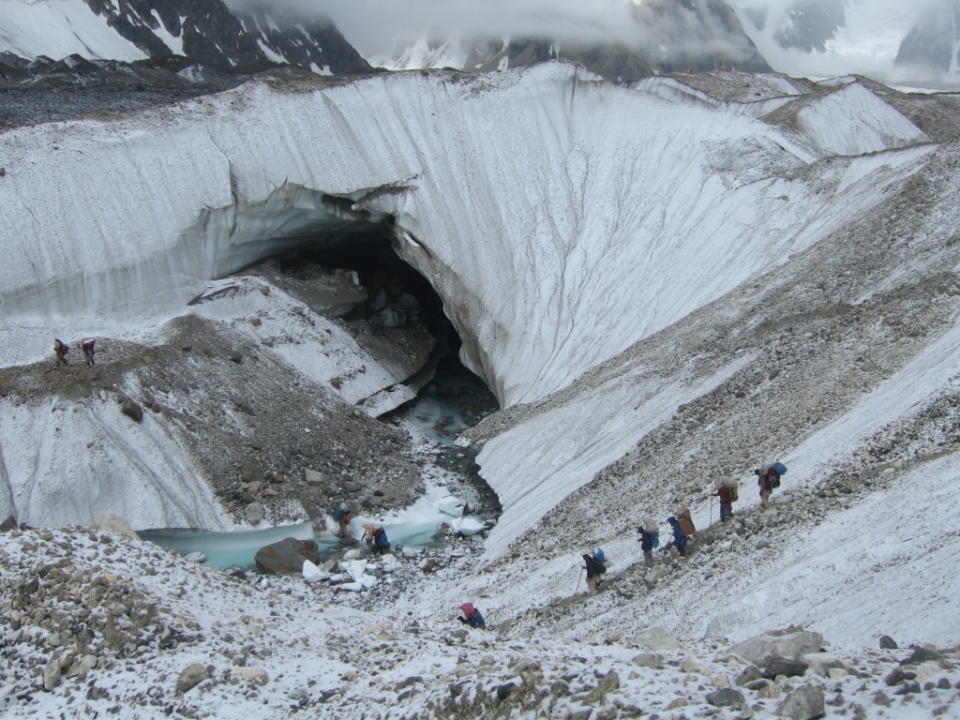
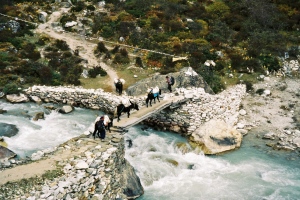
Taplejung was the start of the trek into Kangchenjunga base camp – a place called Pang Pema. We took nine days to walk there and each day typically involves five to seven hours trekking time, by the time we got to base camp we were acclimatising well. It was at Taplejung that Dan our expedition leader and his sirdar Kaji had the Herculean task of organising our army of 80 plus porters. Most of these porters stayed with us until Ghunsa, where the ethnicity of the people change and they become more Tibetan. From here onwards a lot of our gear was transported on yaks. The overnight stops on the trek in where at the following places, sometimes we camped and other times we used the lodges in the villages.

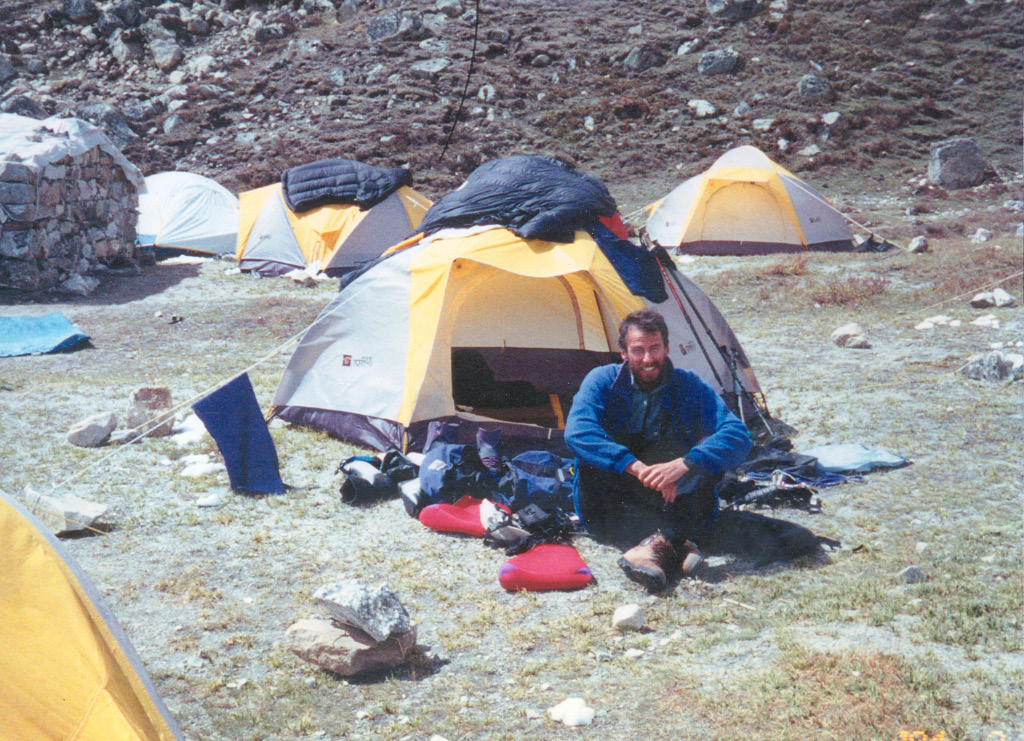
Kangchenjunga base camp at Pang Pema (photo Steve Dodson)

Kangchenjunga base camp at Pang Pema (photo Steve Dodson)

  1. Mitlung (905m)
  2. Chirwa (1270m)
  3. Sekathom (1750m)
  4. Amjilassa (2490m)
  5. Gyabla (2700m)
  6. Ghunsa (3380m)
  7. Kangbachen (4000m)
  8. Lhonak (4650m)
  9. Pang Pema (5100m)

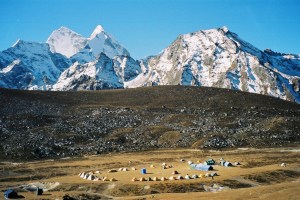
Pang Pema was our home for the next 40 days and gave access to the giant north face of Kangchenjunga.

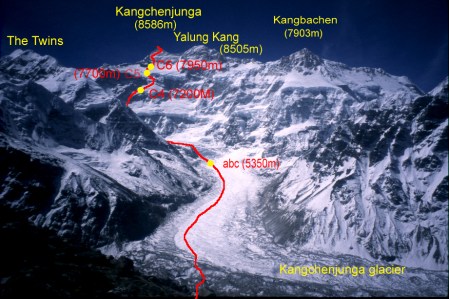
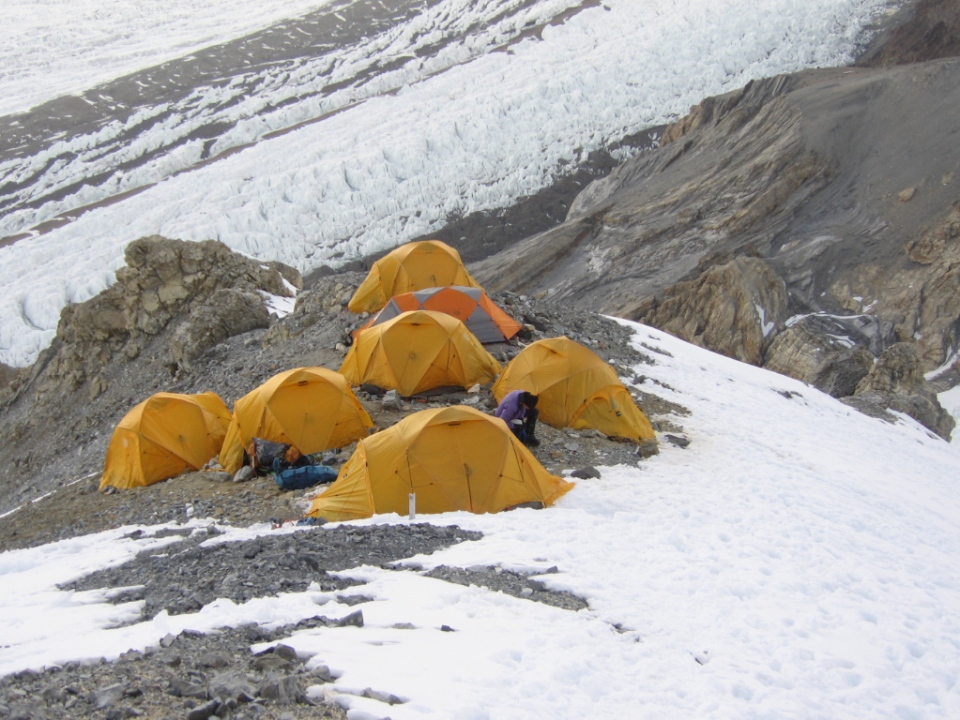
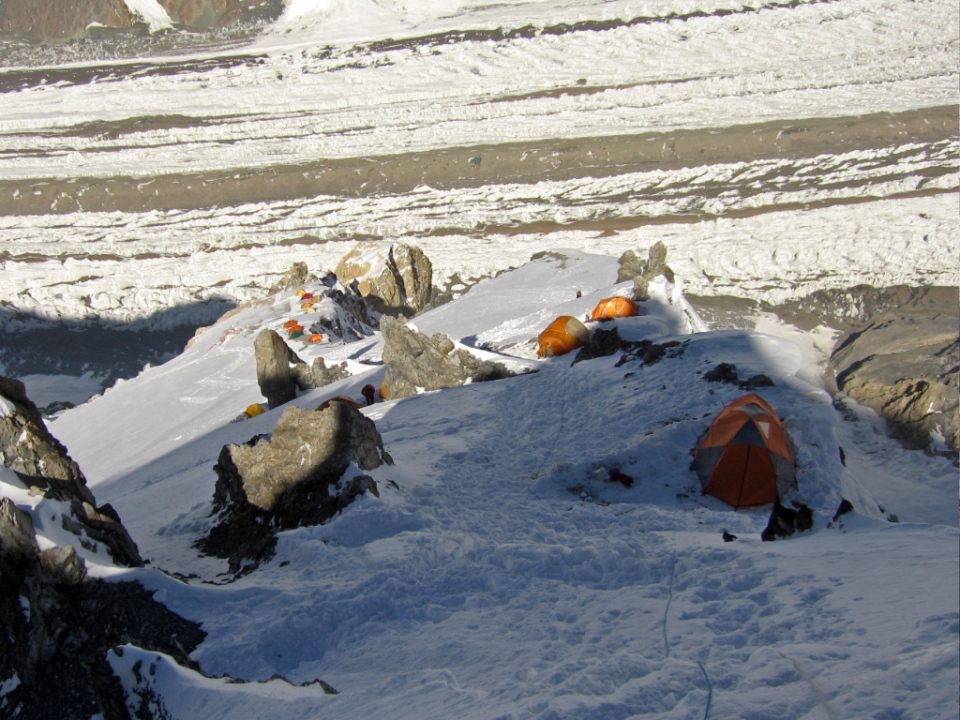
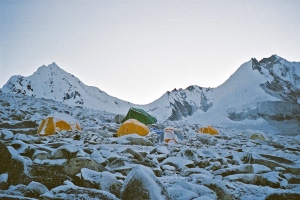
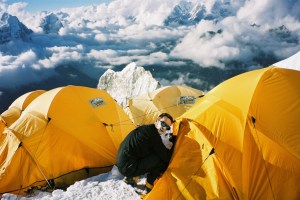
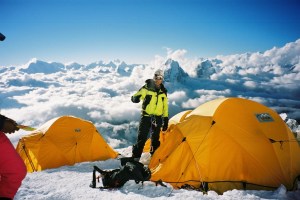
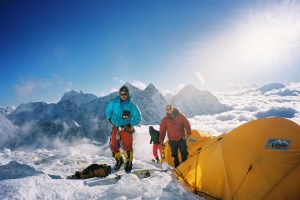
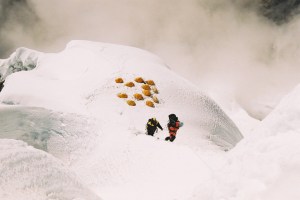
  • Advanced base camp (5350m) From base camp we actually had to
    Kangchenjunga lower camps from the rock band

    Kangchenjunga lower camps from the rock band

    drop down to cross a large moraine area before gaining access to the Kangchenjunga Glacier itself, then it was a trek up to the head of the glacier to the tent, mainly used as a storage dump.

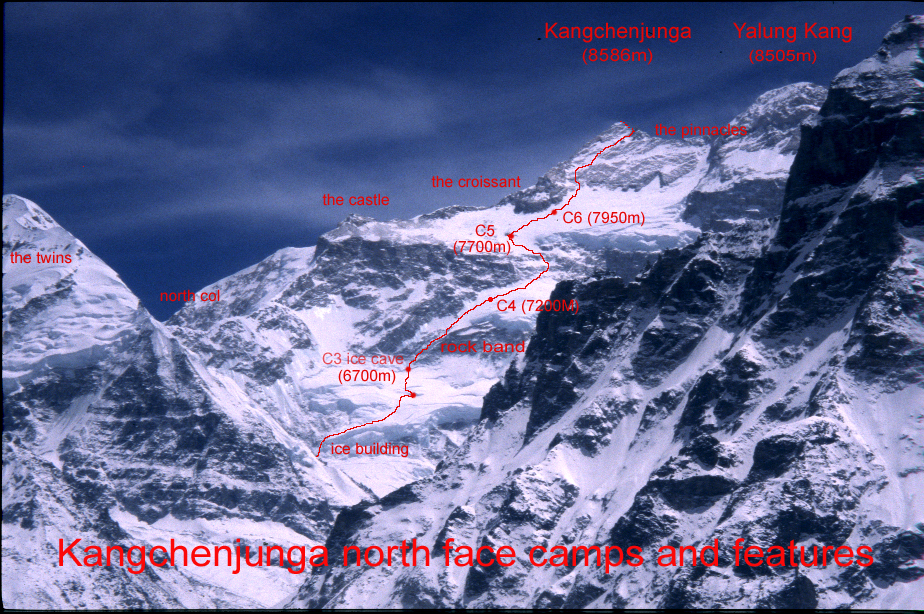
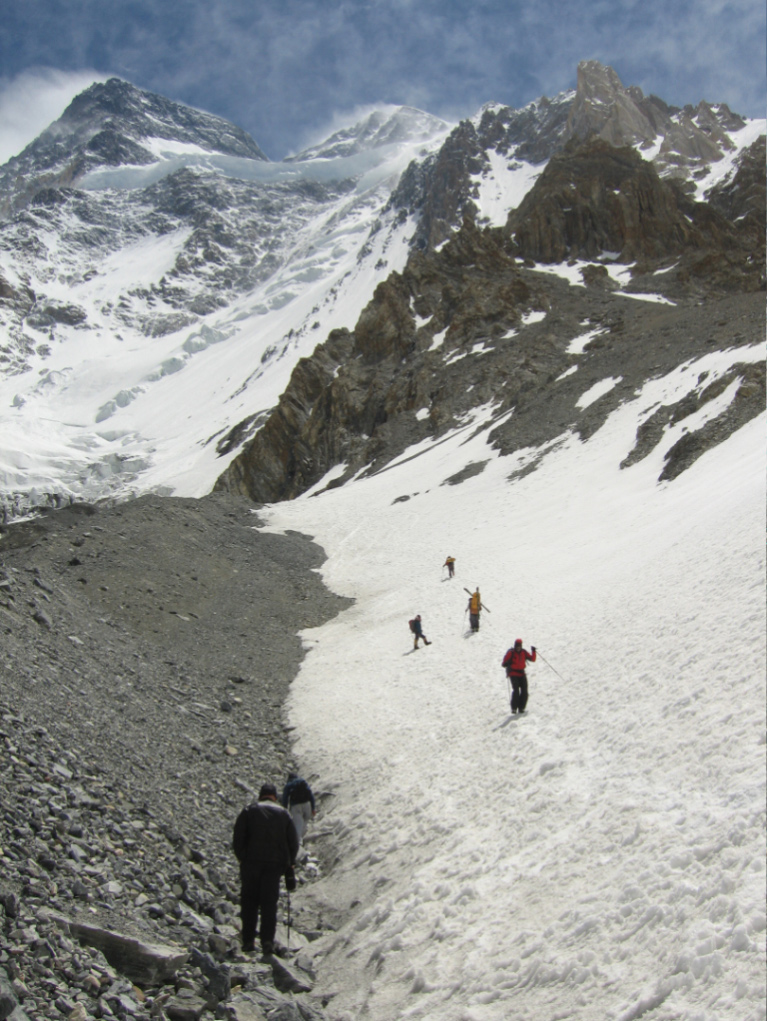
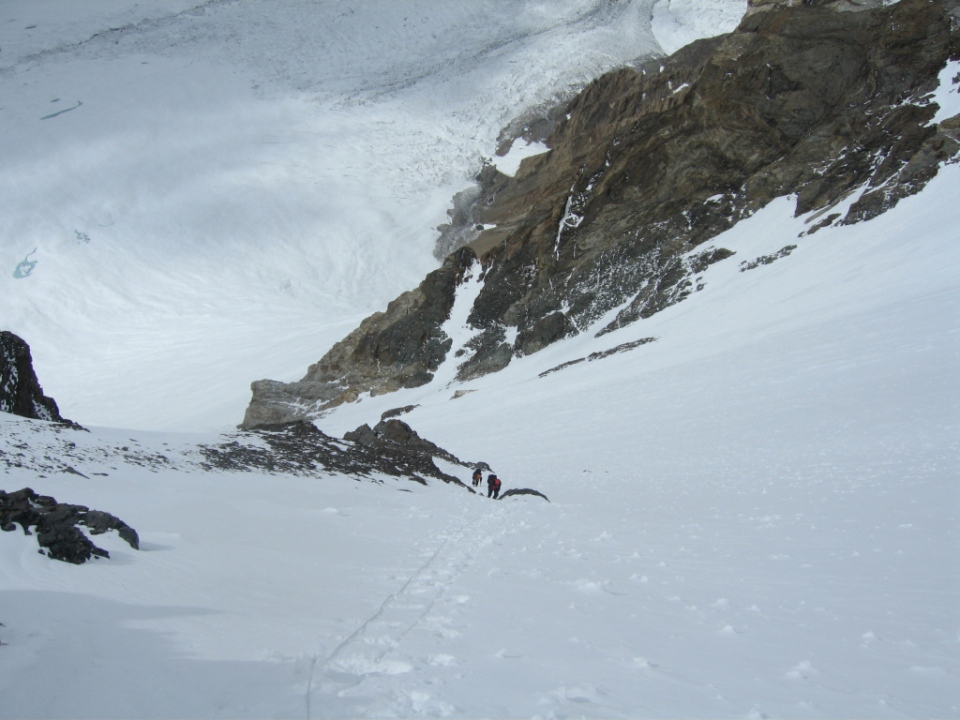
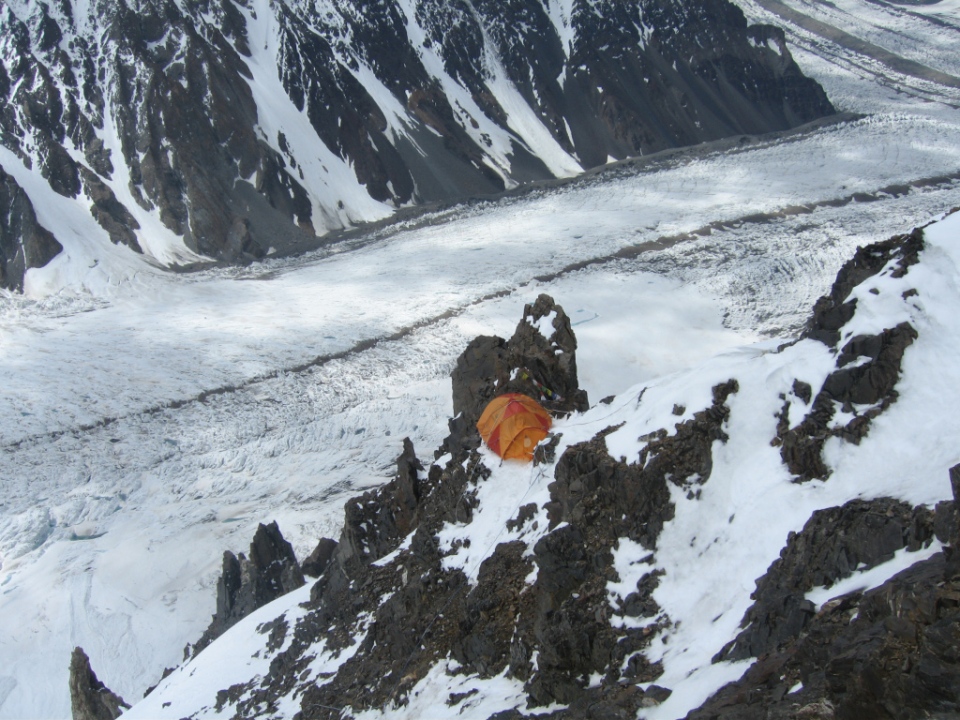
  • Camp 1 (5700m) We struggled to find the best way up to camp 1 at first, choosing a slightly dangerous way to begin with, past over-hanging seracs, after a while we found a much safer route up the side of an ice-fall.
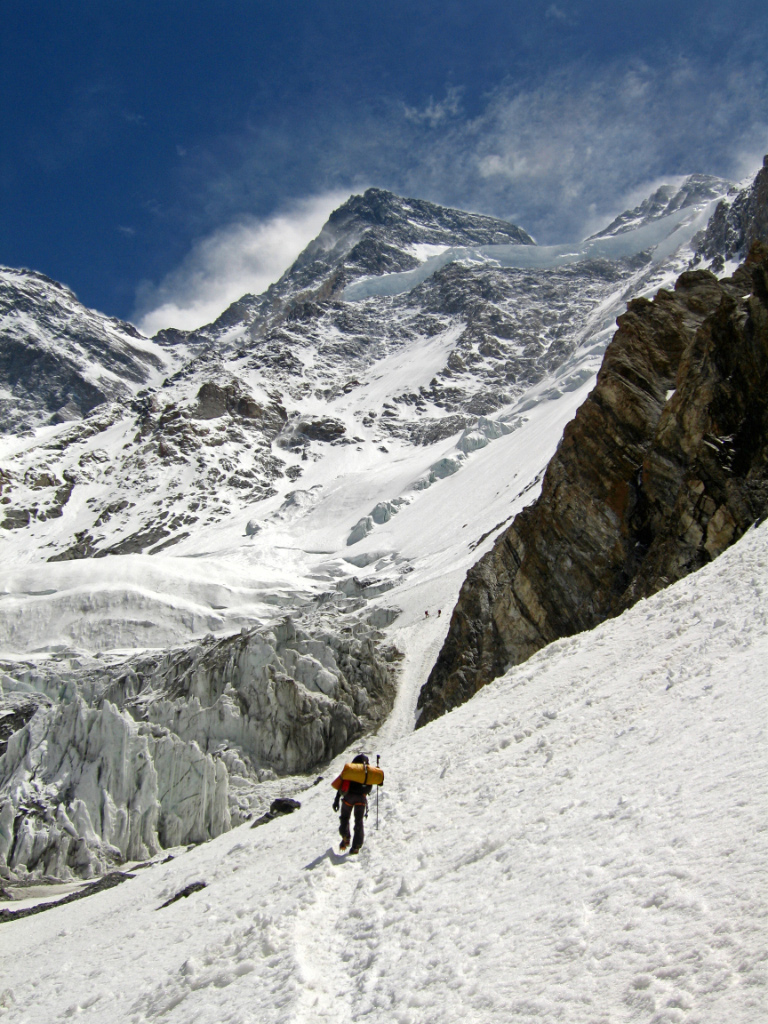
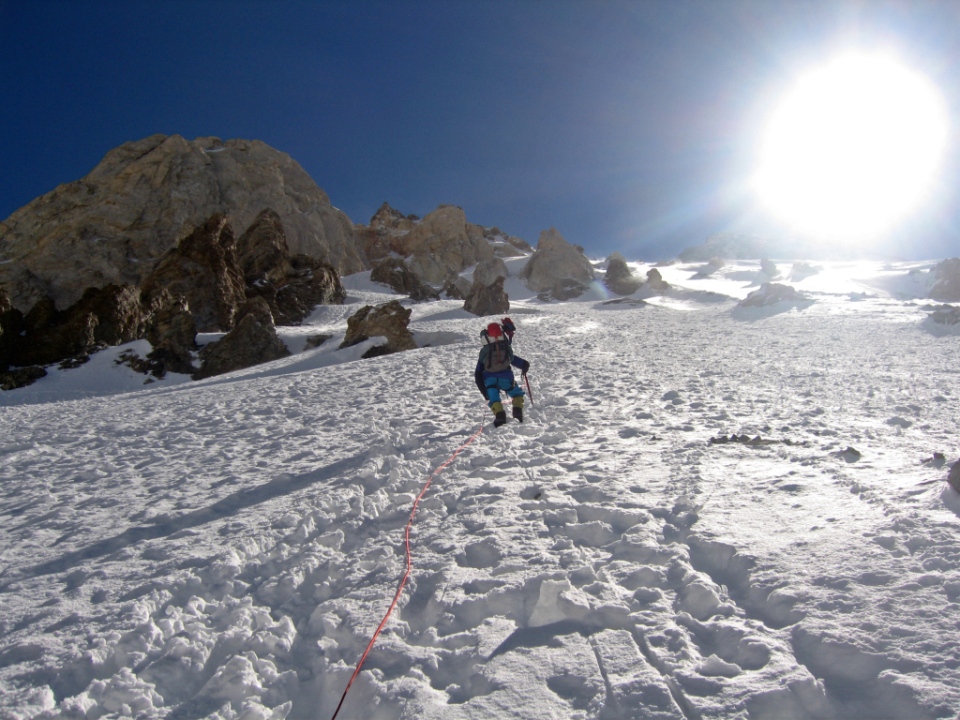
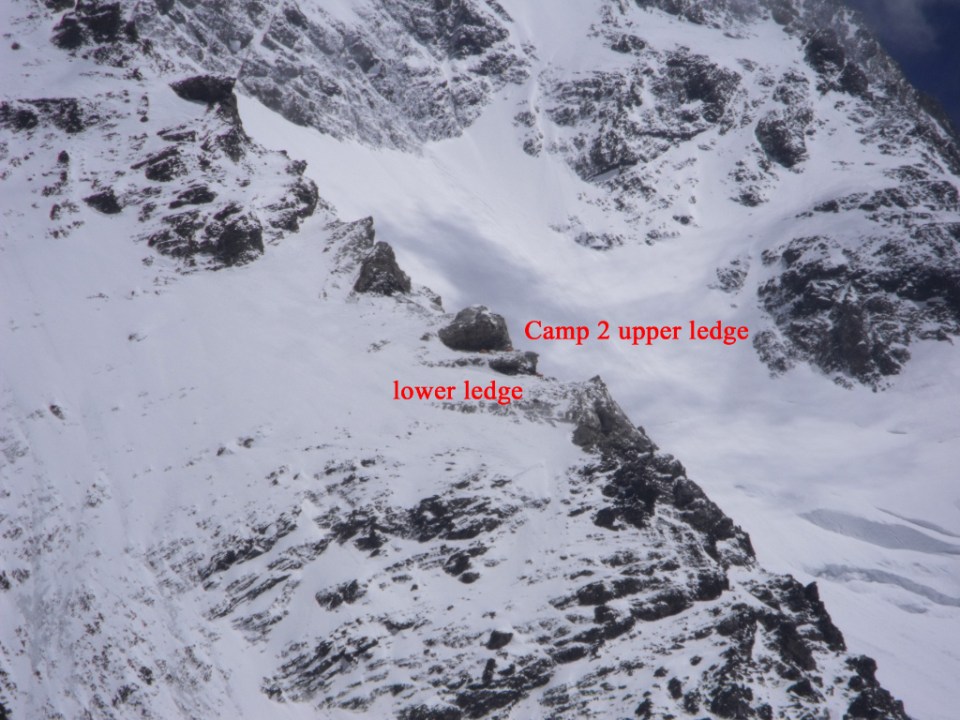
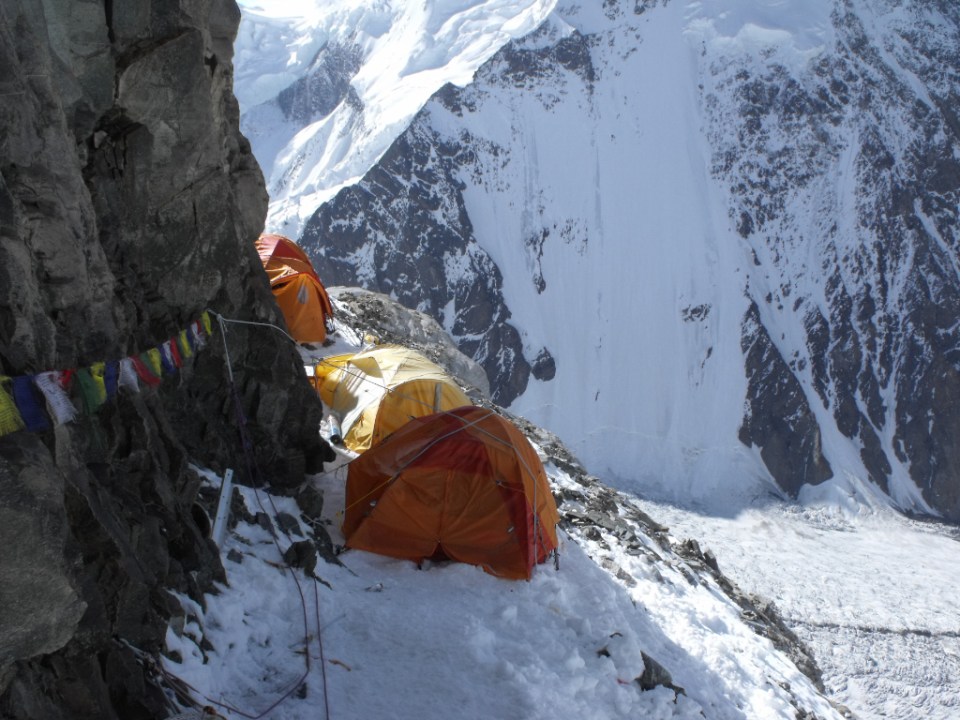
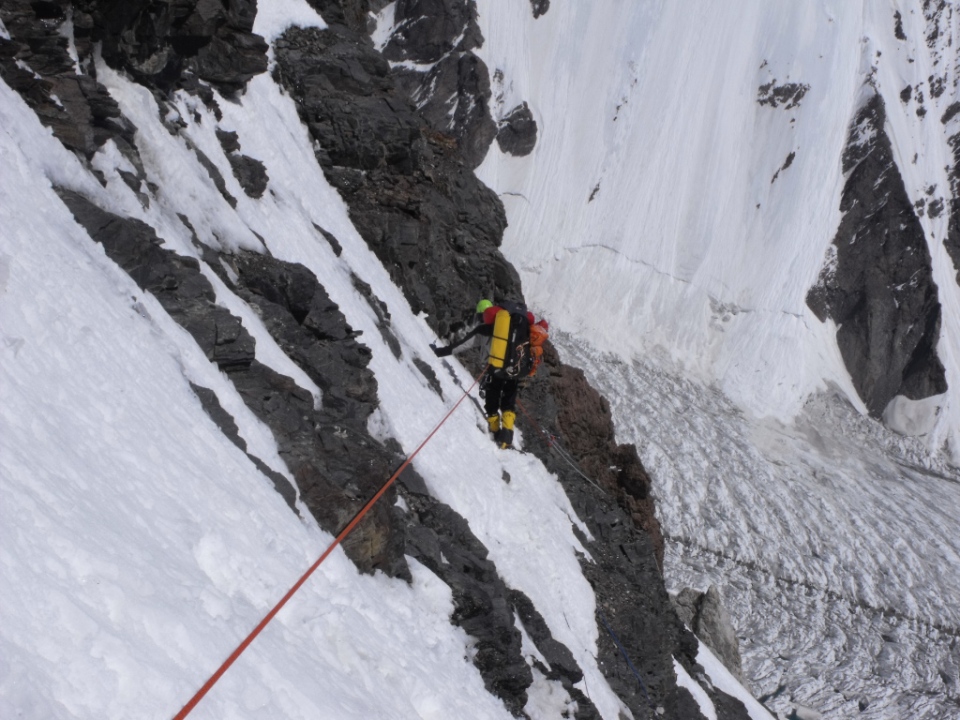
  • Camp 2 (6500m) This involved the first proper climbing and was up a feature called the “ice building”. It was a snow/ice couloir about 300m long at about 40-50 degrees steep, it was dangerous though because it was a natural funnel for the hanging glaciers above.
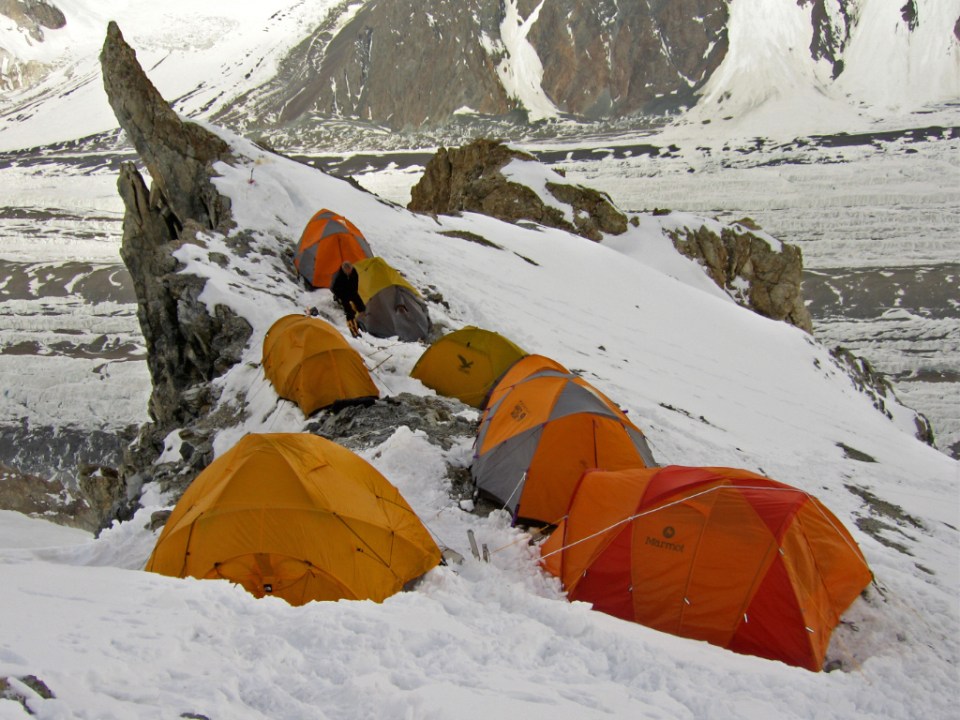
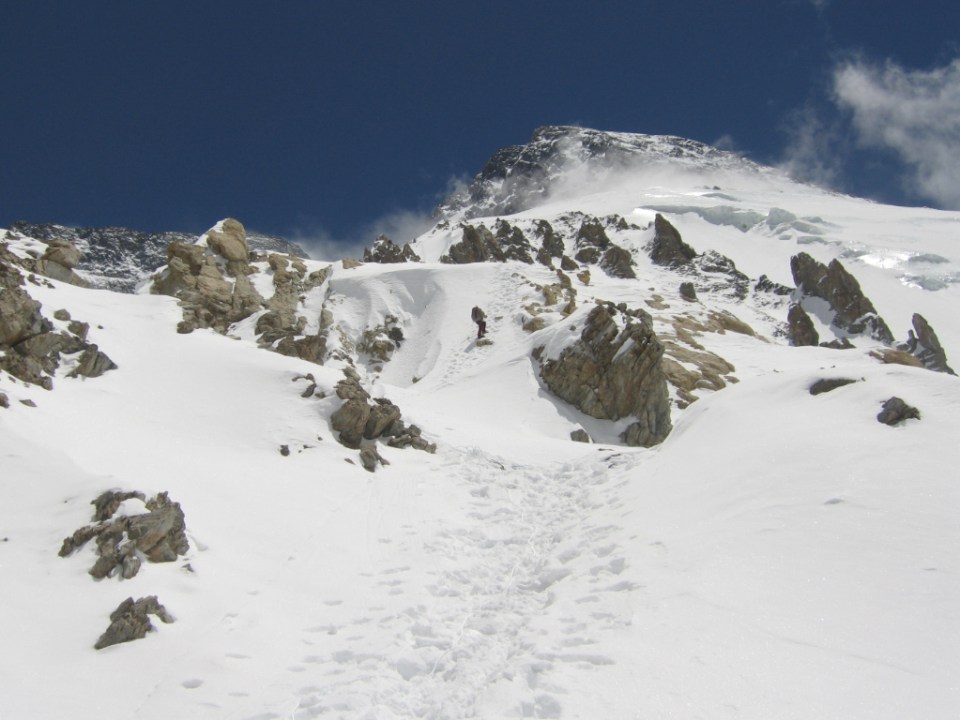
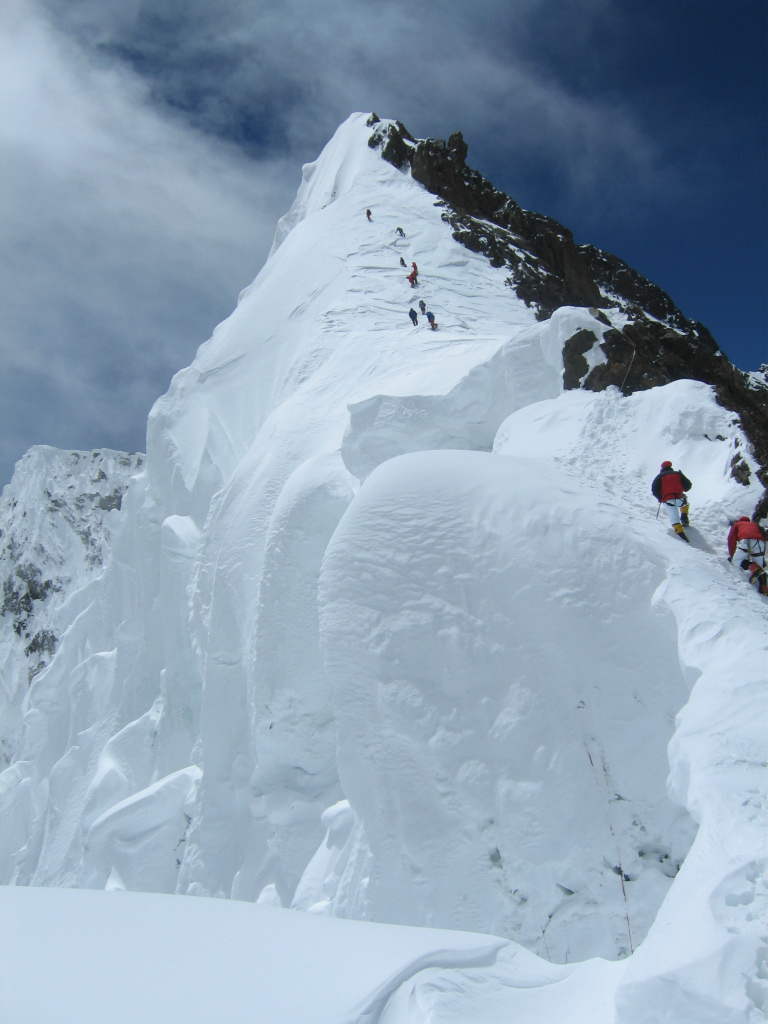
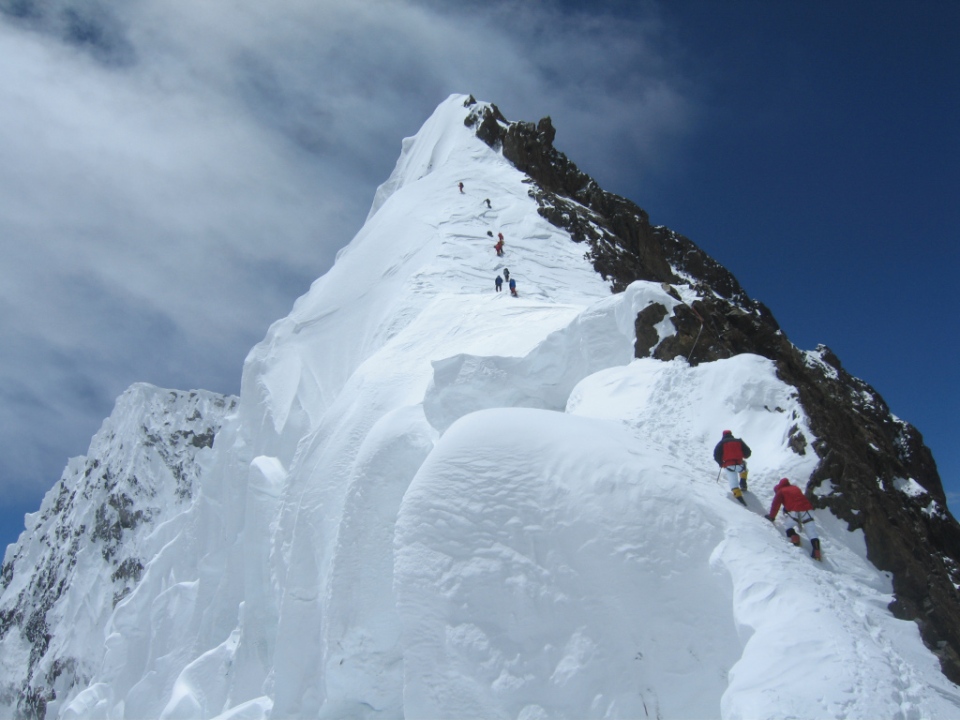
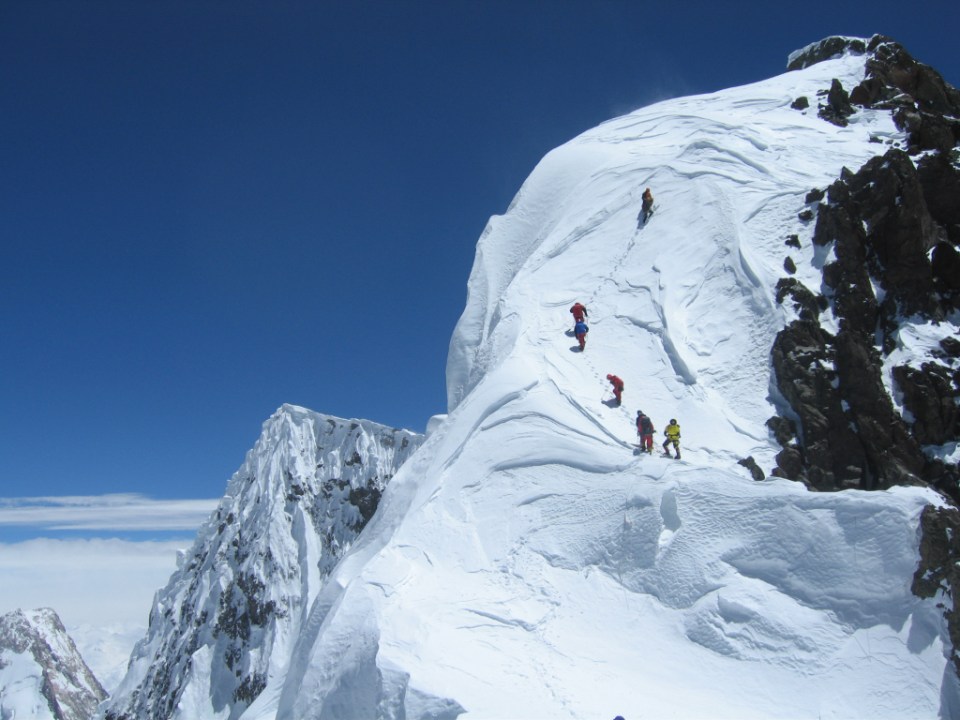
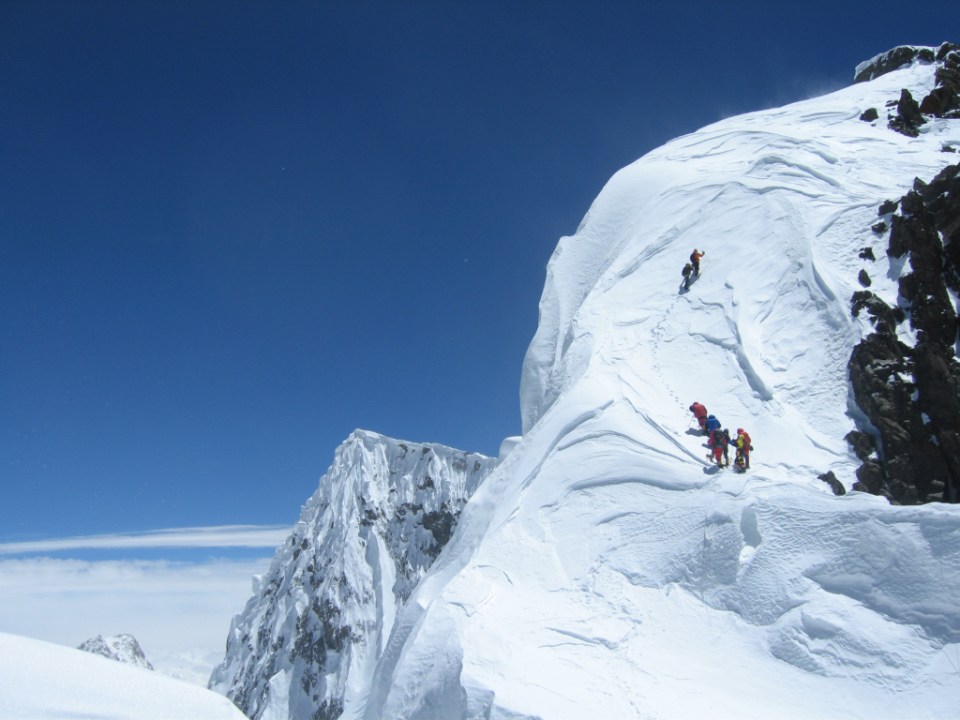
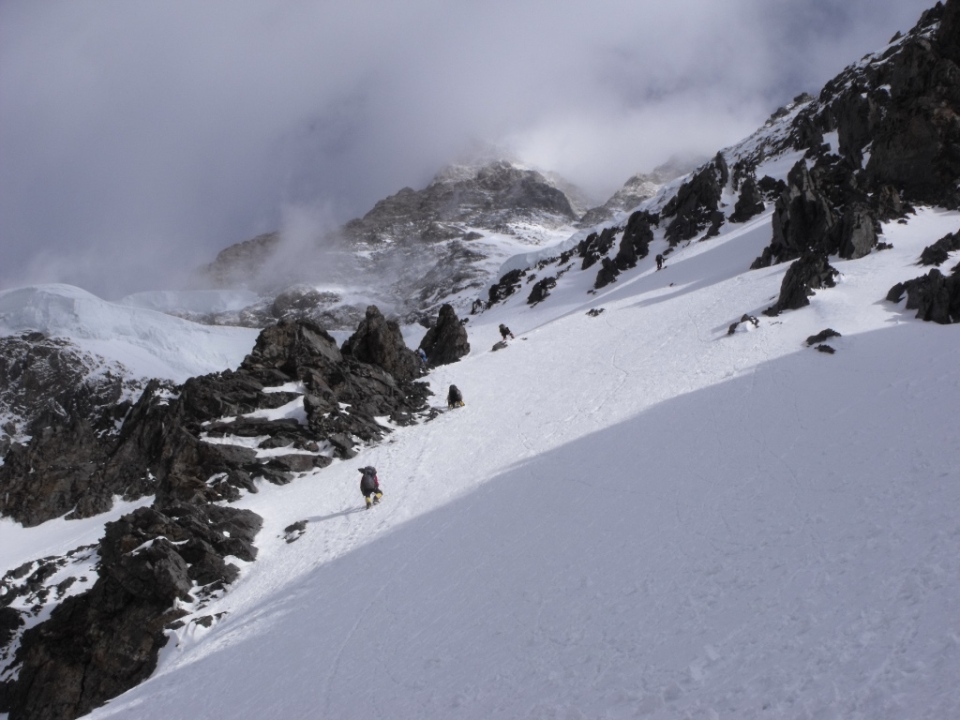
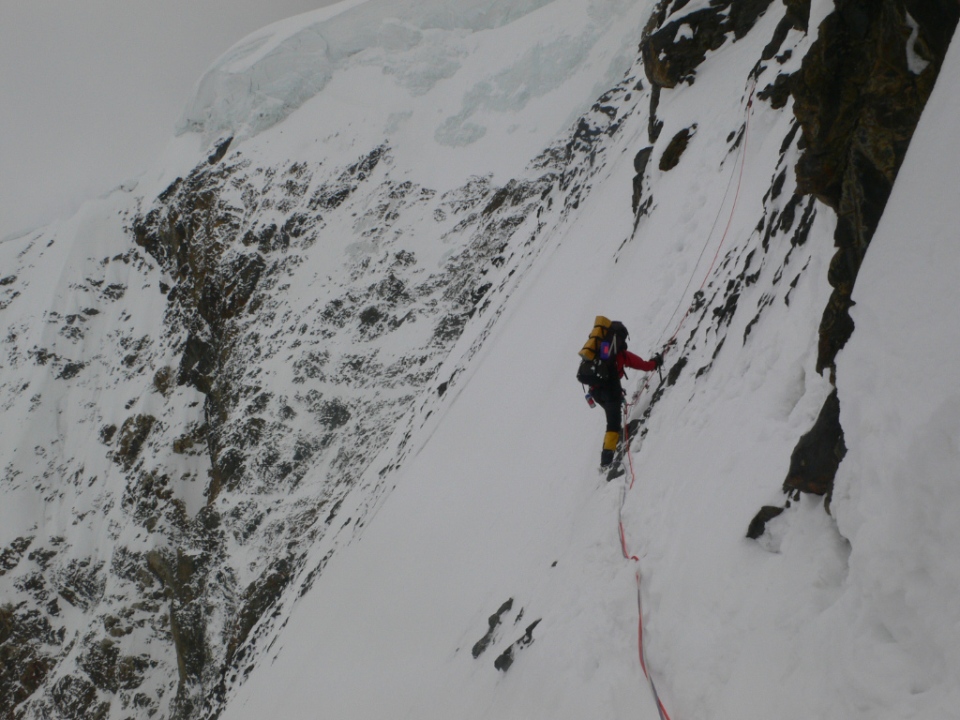
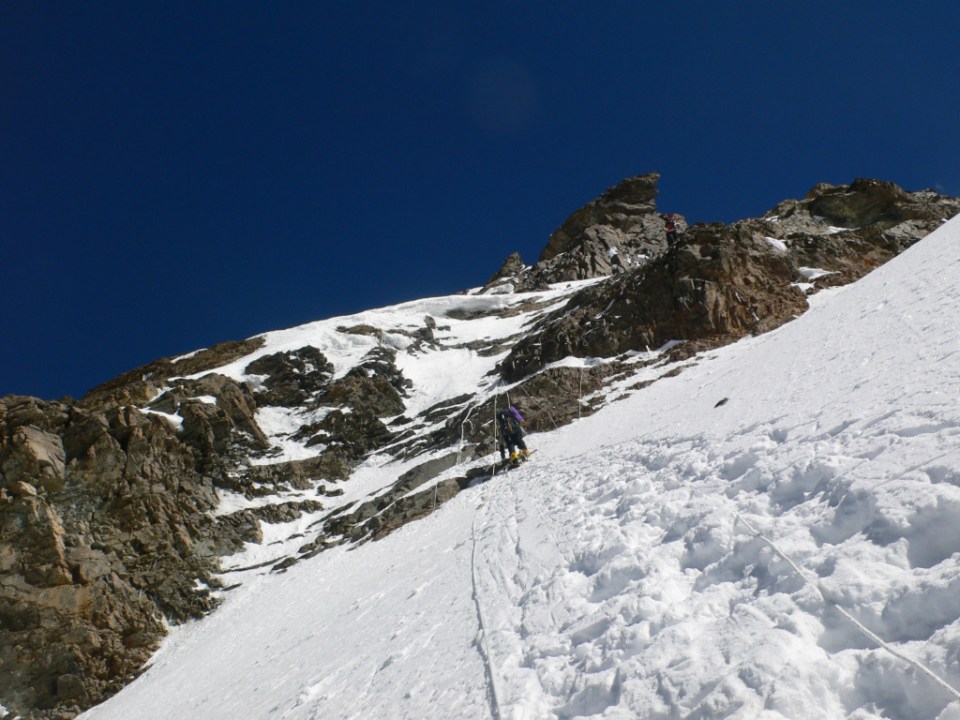
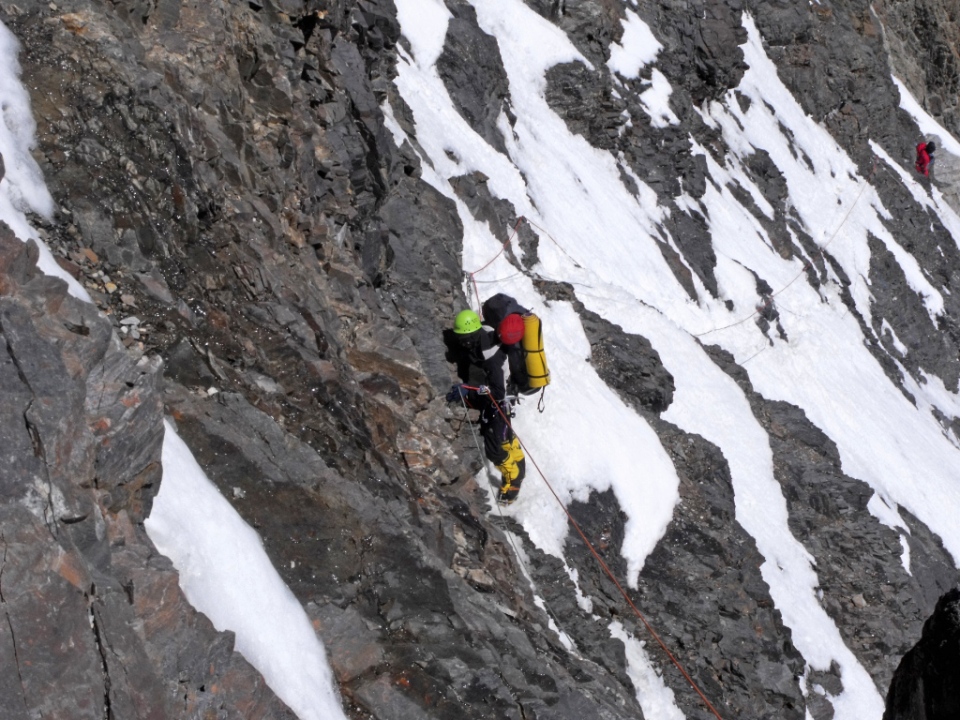
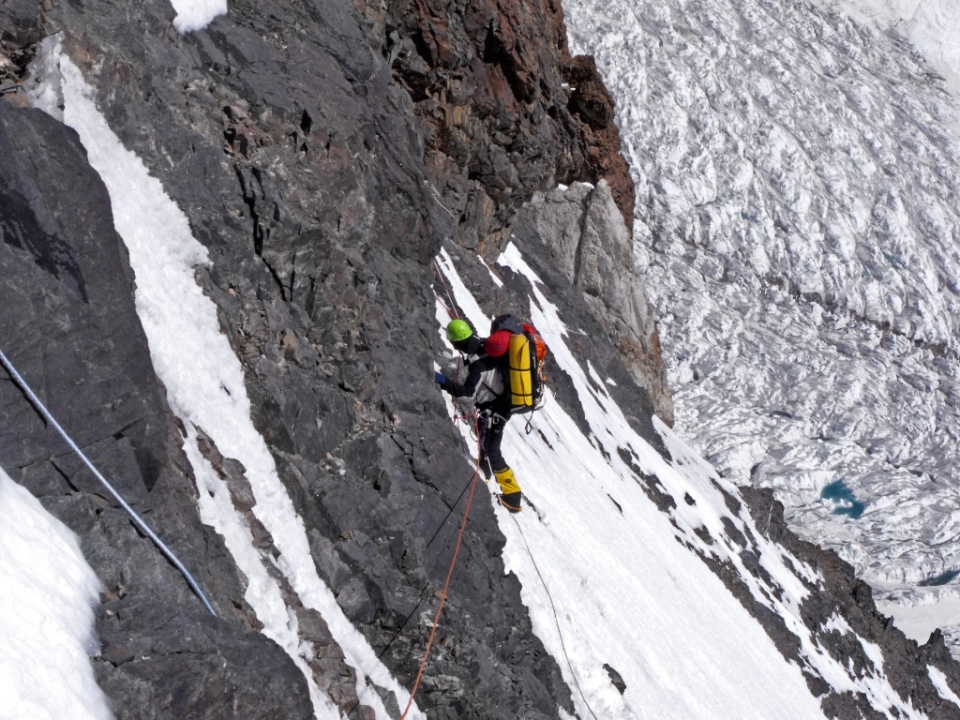
  • Camp 3 (6700m) This camp site was actually in an ice cave, right at the base of the fearsome rock-band. The climb from camp 3 through the rock-band to camp 4 was the crux of the whole expedition and involved hard technical climbing on ice and rock and took us to over 7000m, Ivan, Julio, Felix, Chris, Stu and Janbu deserve a lot of credit for fixing the rope in this dangerous section of the climb. Another problem was that the fixed lines kept melting
    Climbing to camp 2 via the "Ice Building" (about 6100m)

    Climbing to camp 2 via the “Ice Building” (about 6100m)

    into the ice during sunny days and then freezing solid overnight, making it very hard to get them out without damaging them when climbing.

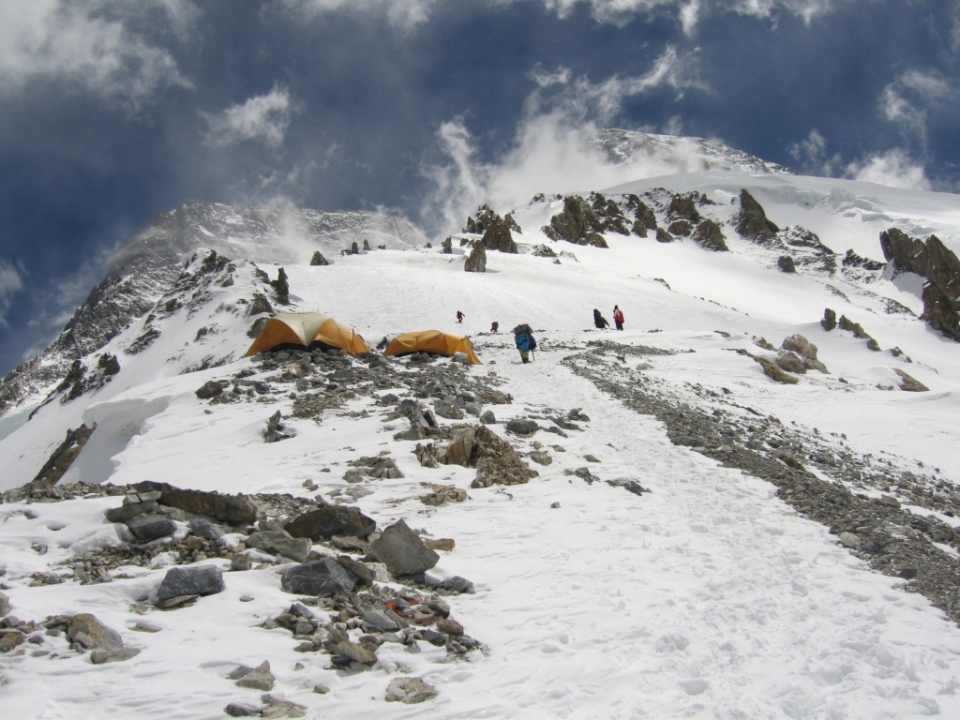
  • Camp 4 (7200m) Situated about 200m above the rock band on much easier ground.
  • Camp 5 (7700m) At the end of a snow plateau from camp 4 a couloir lead up to another snow field and camp 5 was next to some prominent boulders. Dan, Janbu, Felix and Galu made their first summit bid from here, they got as far as a feature called the Croissant at about 8000m before they were forced back by the weather. Dan and Janbu returned to camp 5 while Felix and Galu retreated to base camp. Two days later Dan and Janbu tried to summit for the second time but again the wind was too strong and they had to come down too.
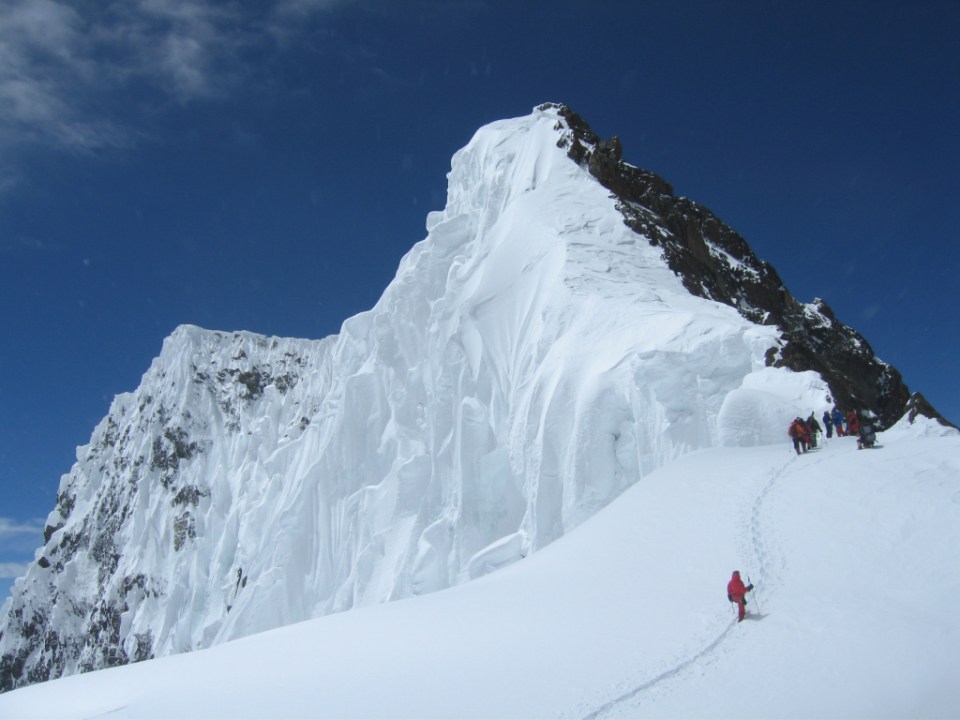
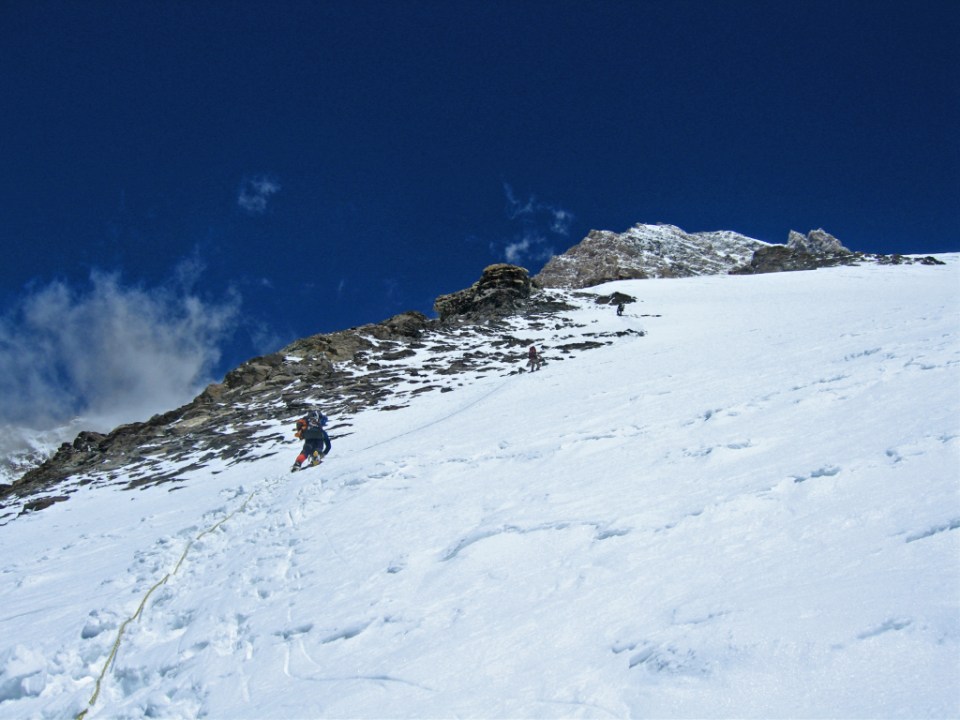
  • Camp 6 (7950m) The next group of climbers were on the way up the mountain by now and on the 22nd May, Mike , Paul, Stu and Chris climbed through the rock band again and stayed at camp 4. The next day Chris and Stu headed up to camp 5, they picked up a small tent and kept going to just about the base of the Croissant and camped there at about 7950m. Paul and Mike headed up to camp 5
    Steep slopes at start of the rock Band

    Steep slopes at start of the rock Band

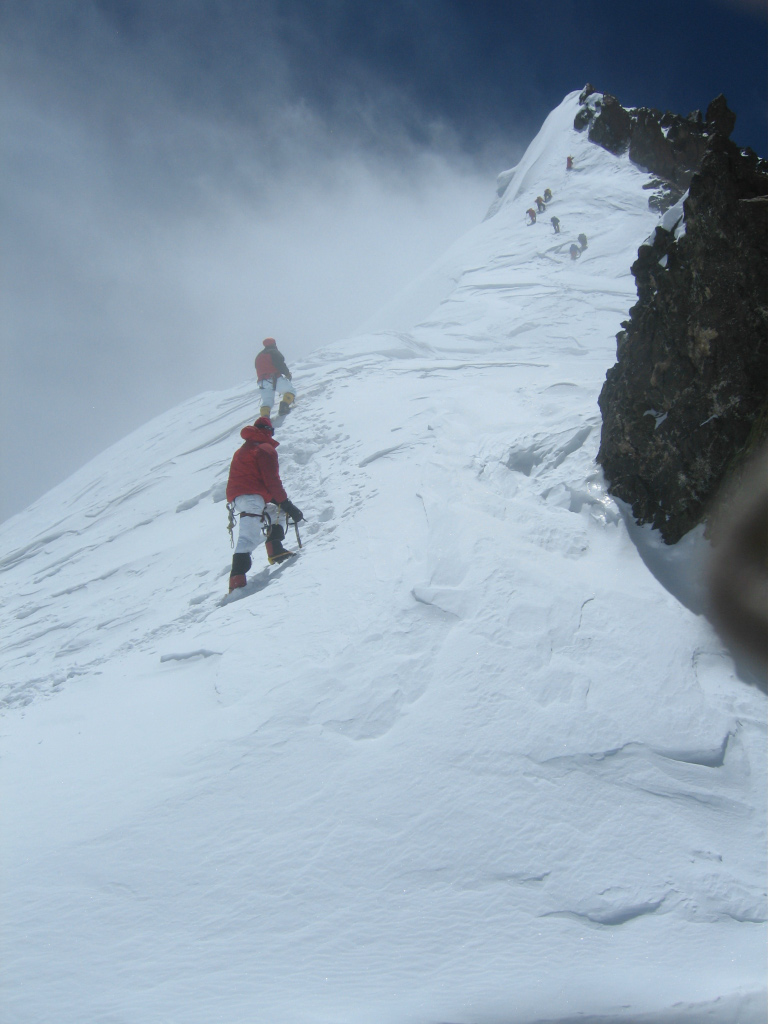
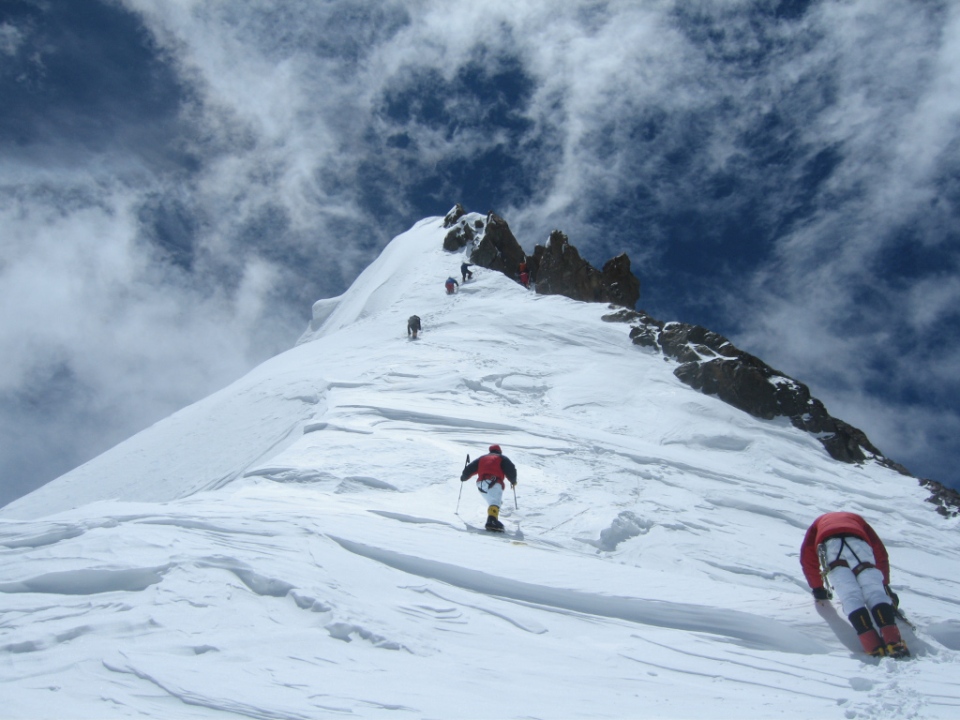
    and stayed there. May 24th – the weather was good, Chris and Stu went for the summit. Paul and Mike who were heading for camp 6 could see Chris and Stu above them heading towards the Pinnacles, the final obstacle before the summit, the sun was shining and had a strange sort of halo around it and the wind was low, we knew they could do it now. Late in the afternoon Mike and myself were in our tent at camp 6 brewing up and expecting to hear Chris and Stu at any time returning from the summit. We made our daily radio call to Dan in base camp at 7.00pm, he was concerned at the lack of news. At 7.15pm we heard a noise outside, it was Stu finally arriving back, he knelt down at the entrance to the tent and told us straight away the terrible news that Chris was dead, we were stunned.

    Kangchenjunga north face high camps and features

    Kangchenjunga north face high camps and features

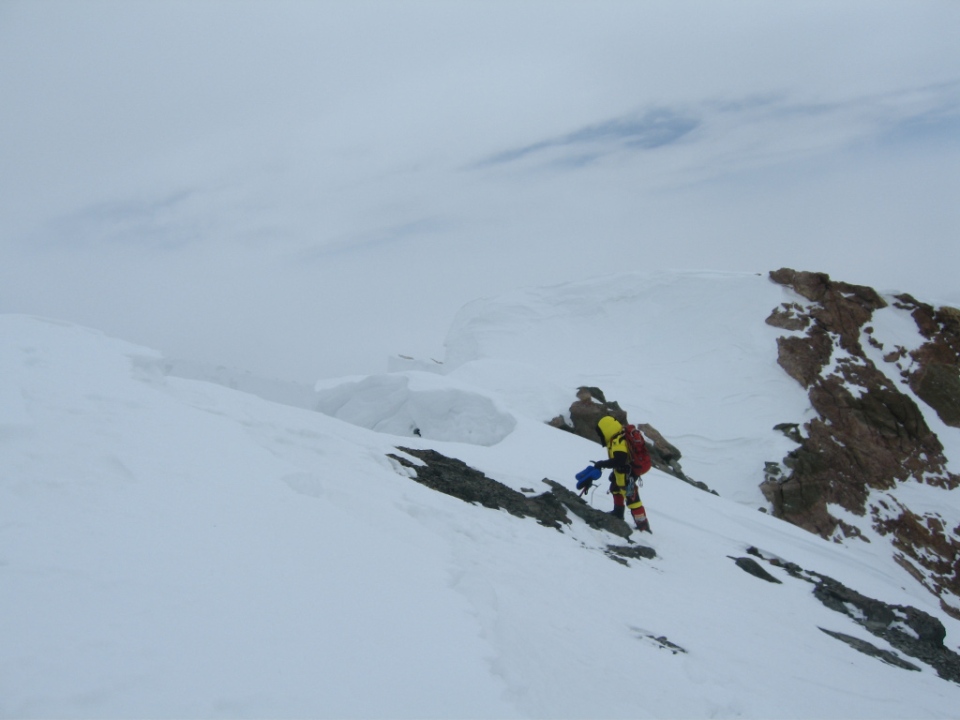
    They had reached the summit of Kanchchenjunga at about 3.15pm that day, later than they hoped as they had been moving slowly but the weather was good. They shot some video and took pictures then started to descend back to the tents at camp 6, the accident happened at about 8400m, they were on a snow slope of about 25 degrees with small rock-steps, Stu was in front and he recalled hearing Chris shout and then he was sliding past him unable to stop and disappeared from view and finally stopped about 200m to the right of our camp 6, Stu descended down to him and his worst fears were confirmed. The next morning me and Stu made our way across to his body and paid our last respects and i climbed down the slope for about 100m and retrieved his rucsac which had his video camera in. We all descended after that and for us the expedition was over, it took us three days to return to base camp and on the afternoon of that first day it started snowing and it continued, the monsoon had arrived and we were climbing down through deep dangerous snow slopes at the end.

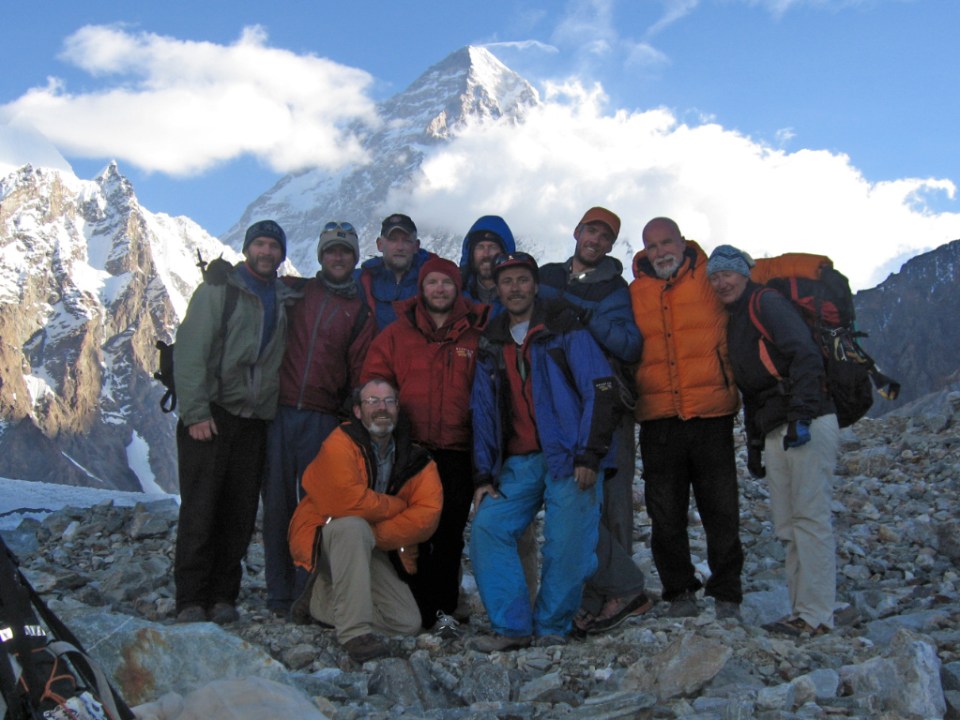
Before we finally left base camp we had a little ceremony for Chris. Malte engraved a stainless steel plate with Chris`s details on, using a nail and an ice-axe and we added it to the memorial cairn for climbers at base camp, Mike took a good photo of the group present and then we left for home. It took us 4 days trekking out and two days on the bus before we were back at Kathmandu again. While we were in Kathmandu Chris`s family and friends flew out to meet the expedition and have a meal with us and to talk about what had happened.

Most of the photos in this piece are by Stu Findlay – my camera broke on the journey in.

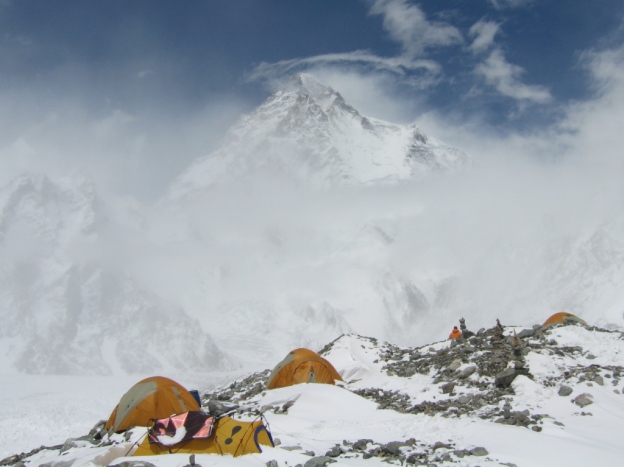
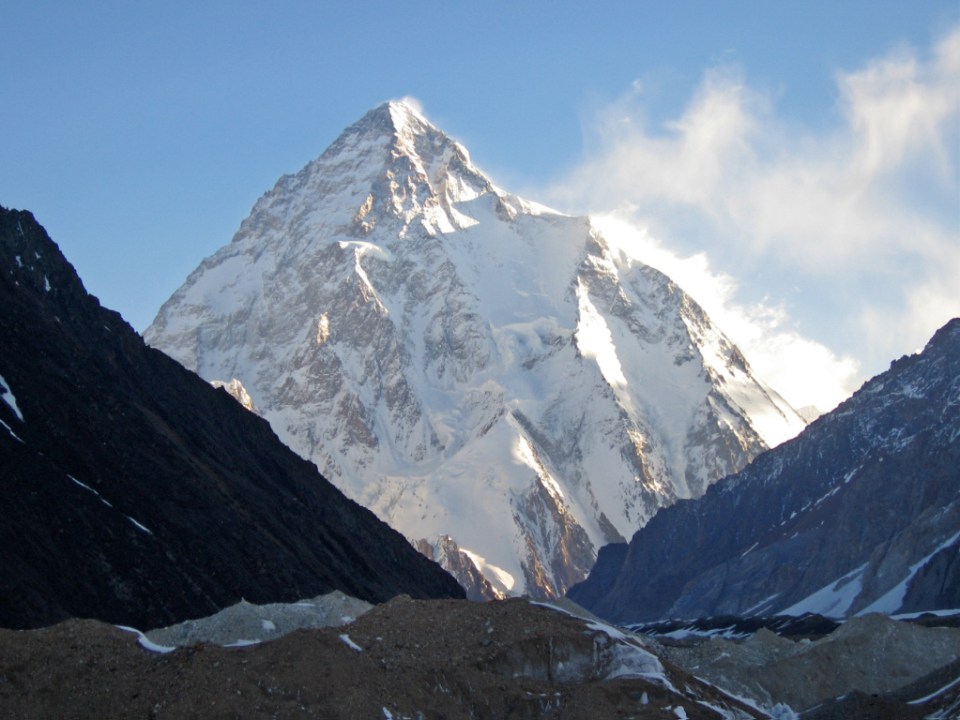
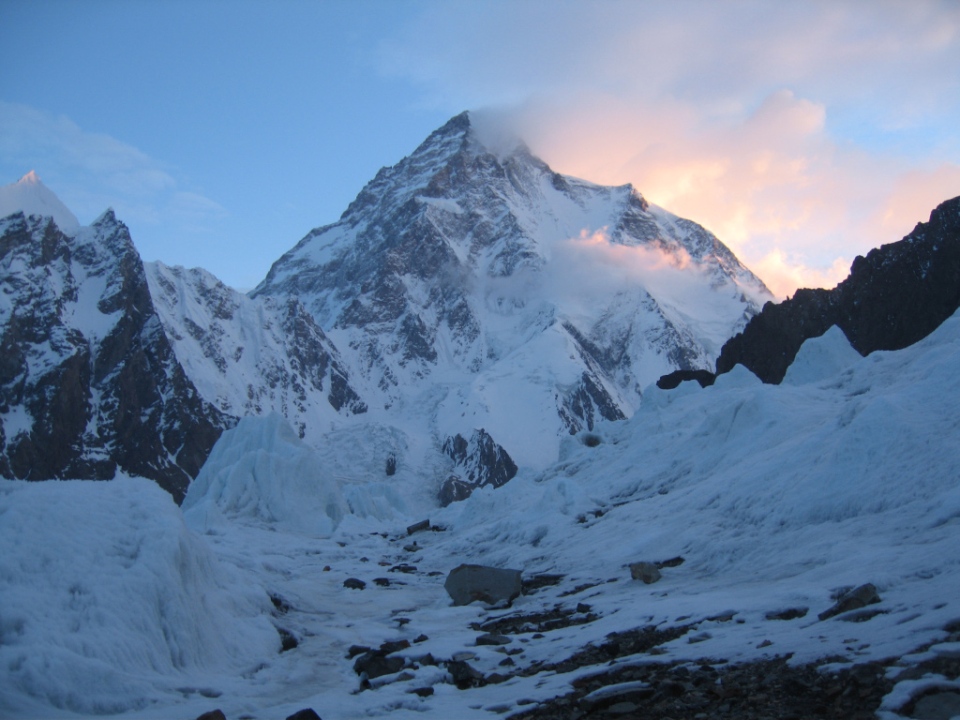
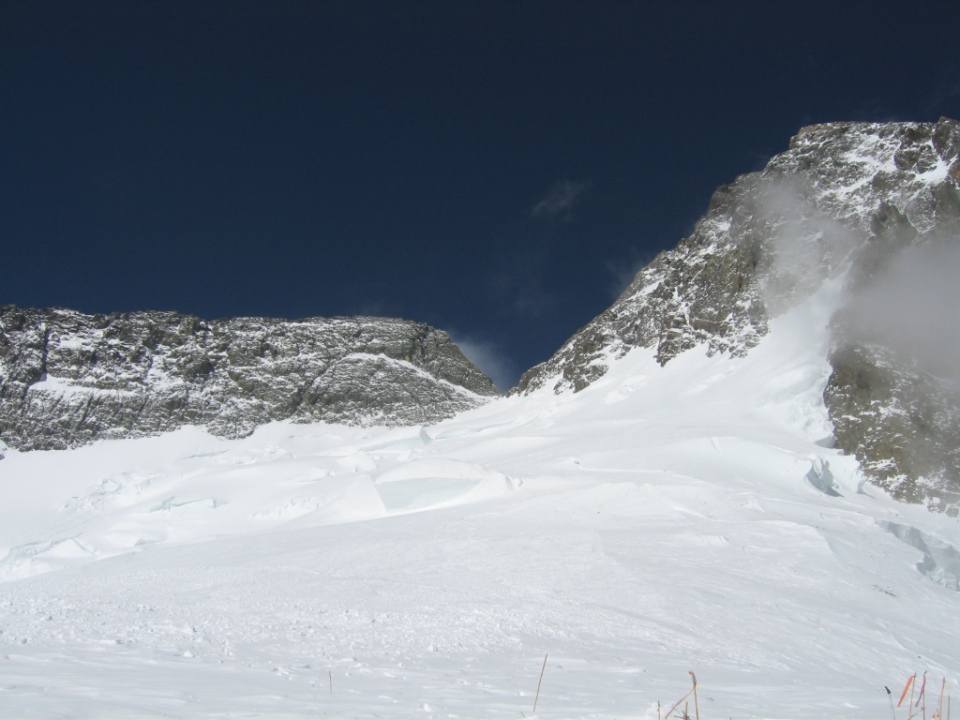
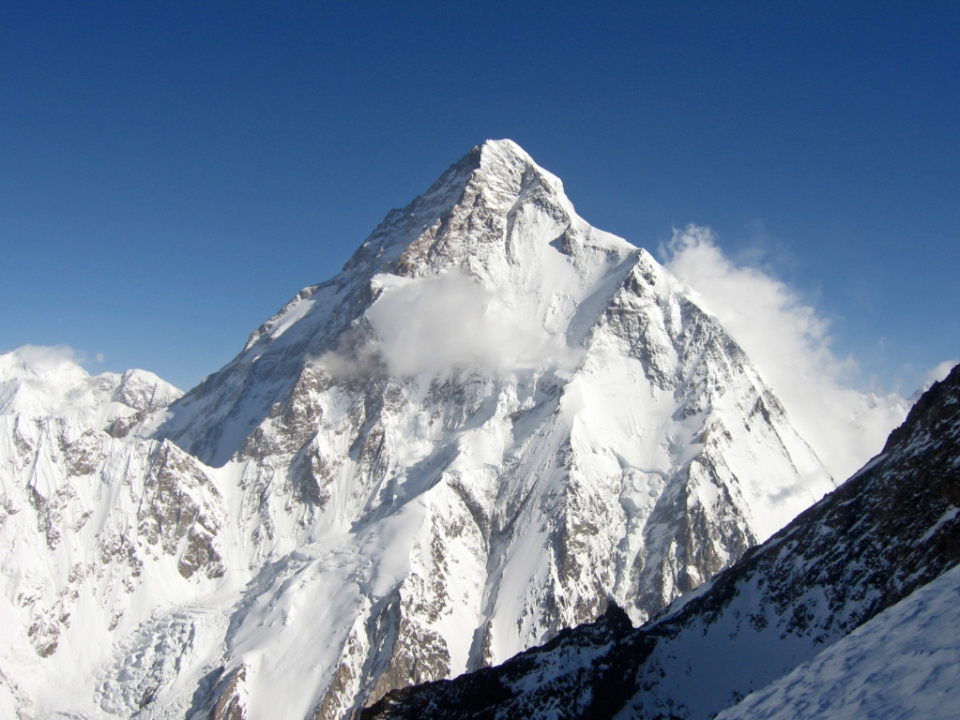
K2 after an overnight snow storm

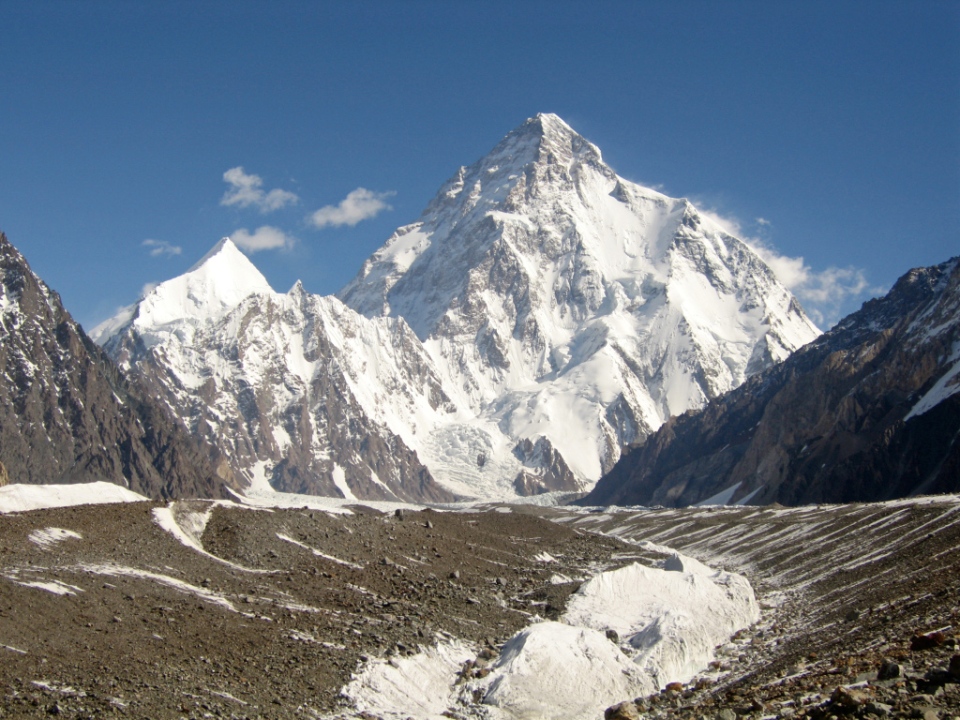
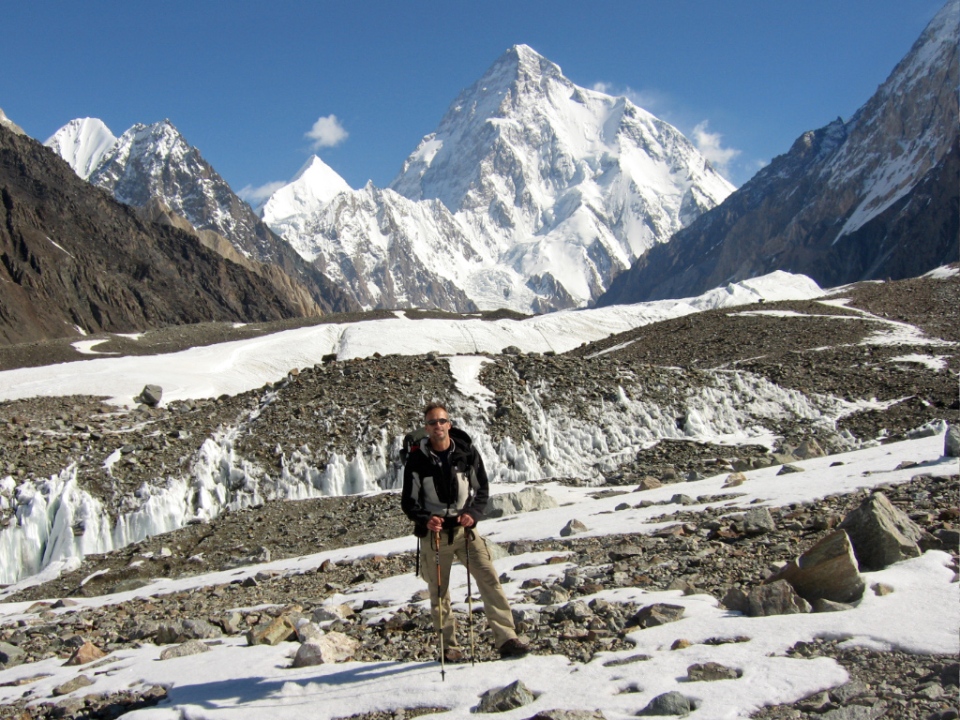
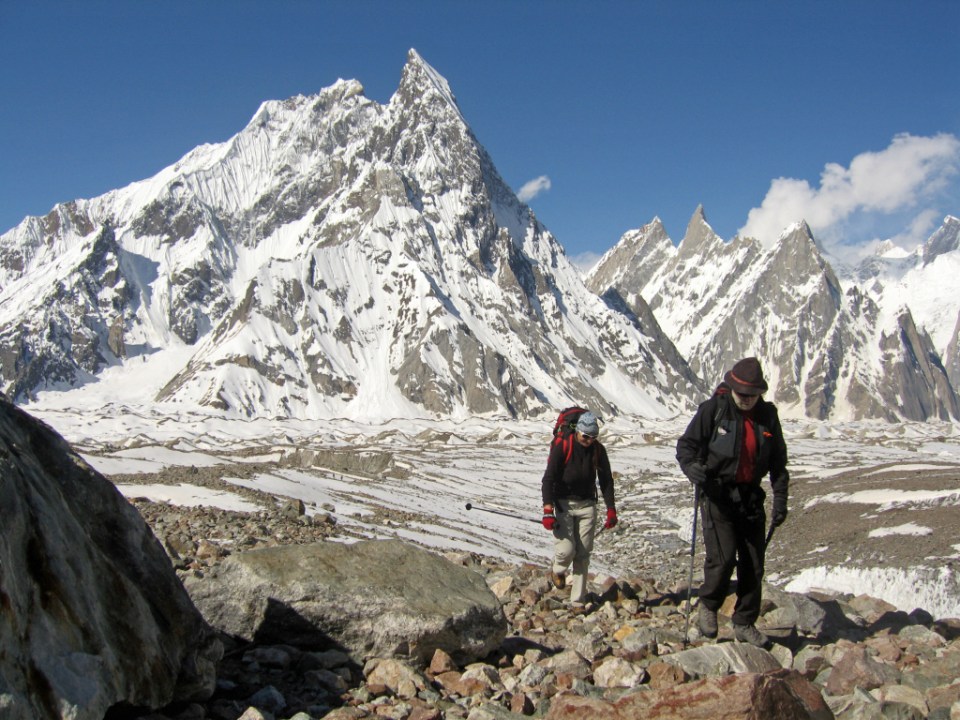
Pakistan 2009 – Broad Peak and K2

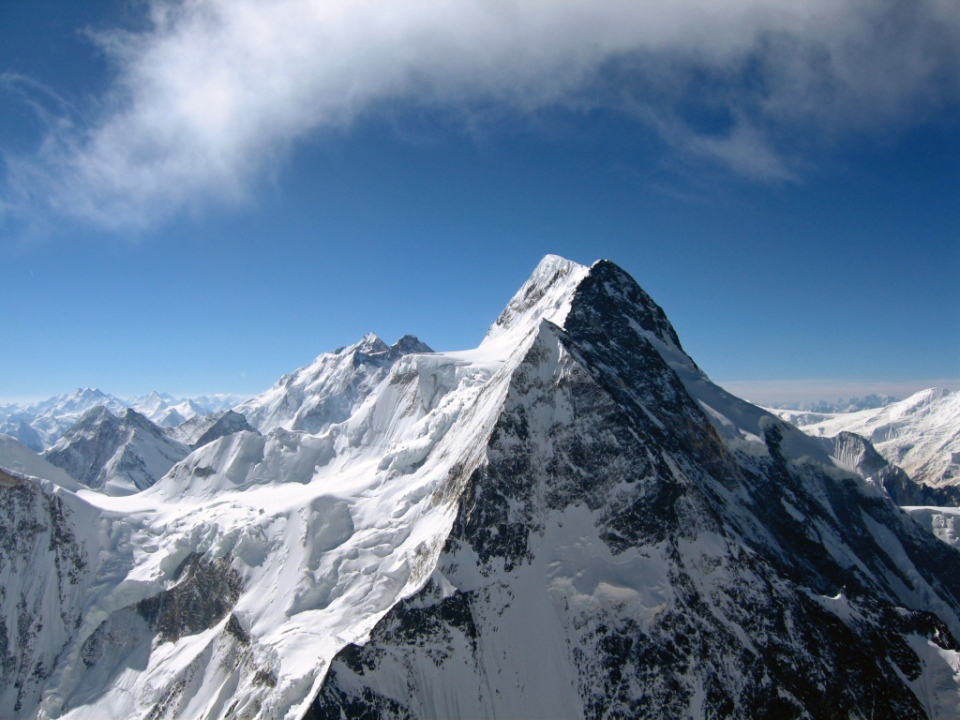
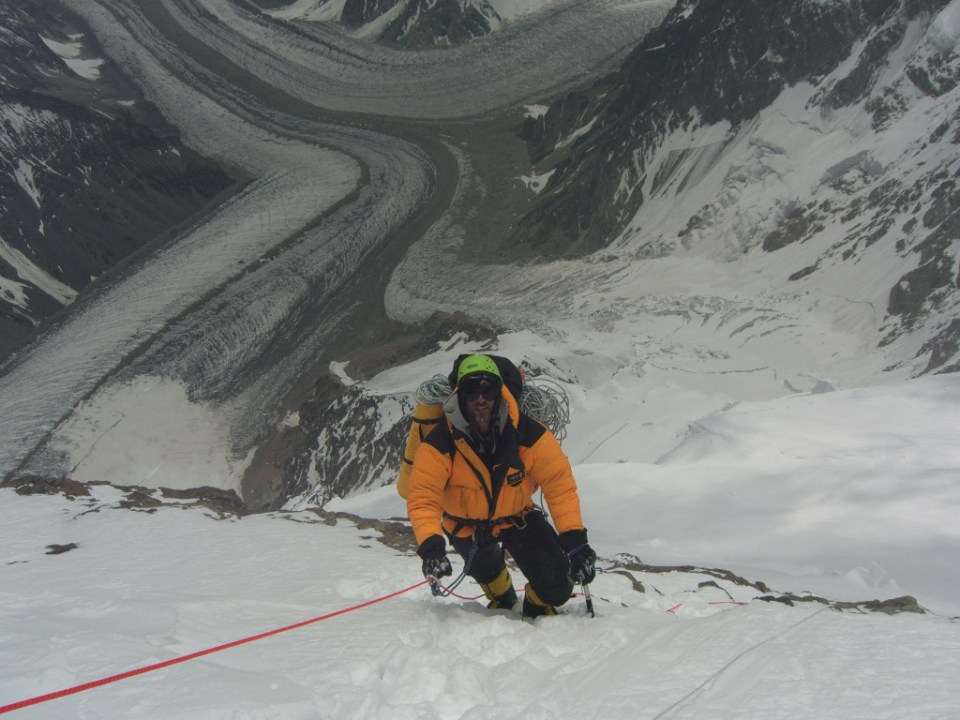
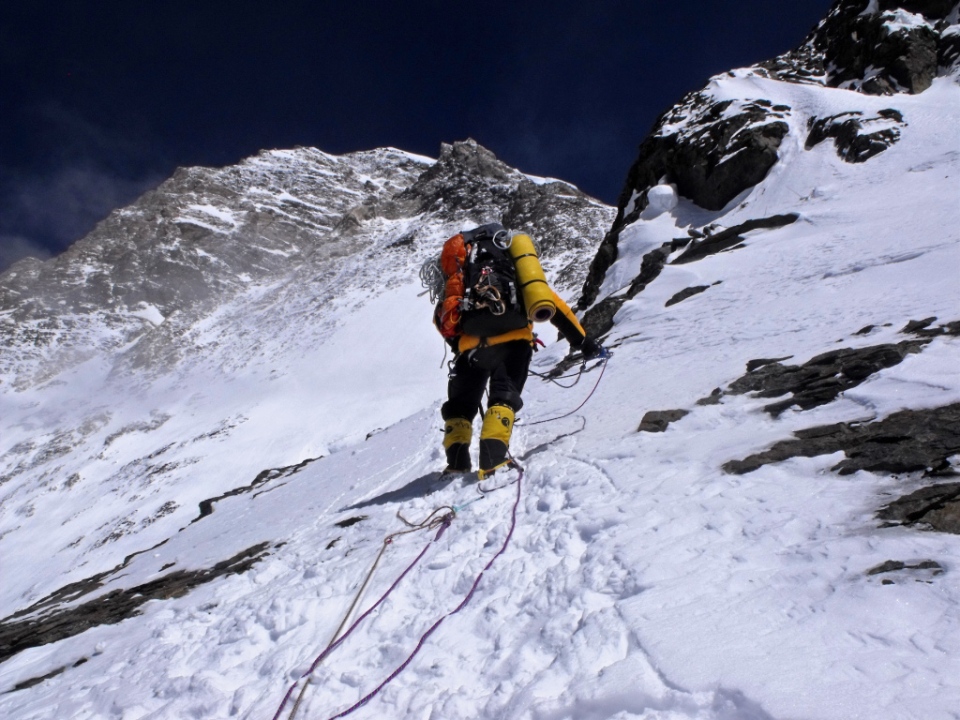
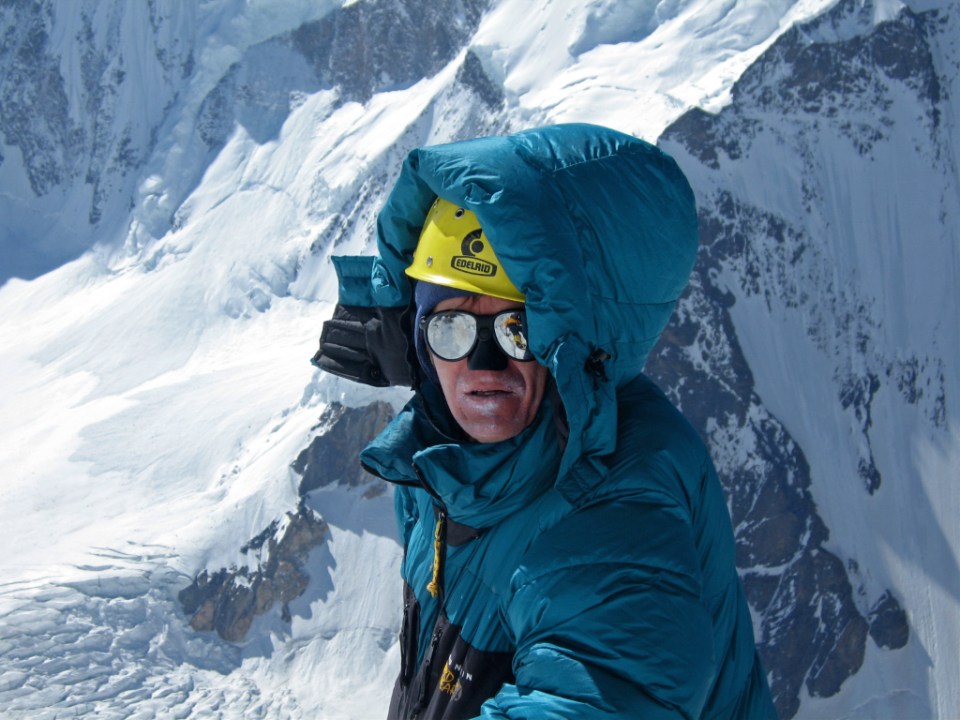
I had always wanted to go to the Karakorum mountains and for years had read all about them and the expeditions that had gone there. I had  been tempted to do the k2 trek before but i knew if i went there i would want to do some climbing too, so i waited my time and gained experience. In 2009 the time was right and i signed up for a big expedition to try to climb Broad Peak and K2.

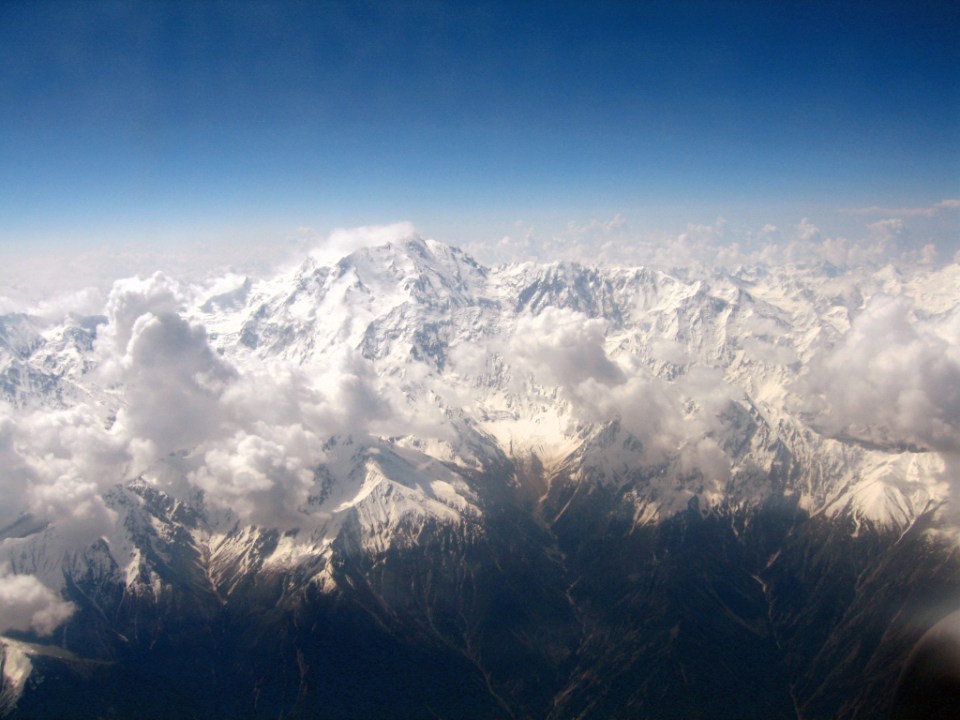
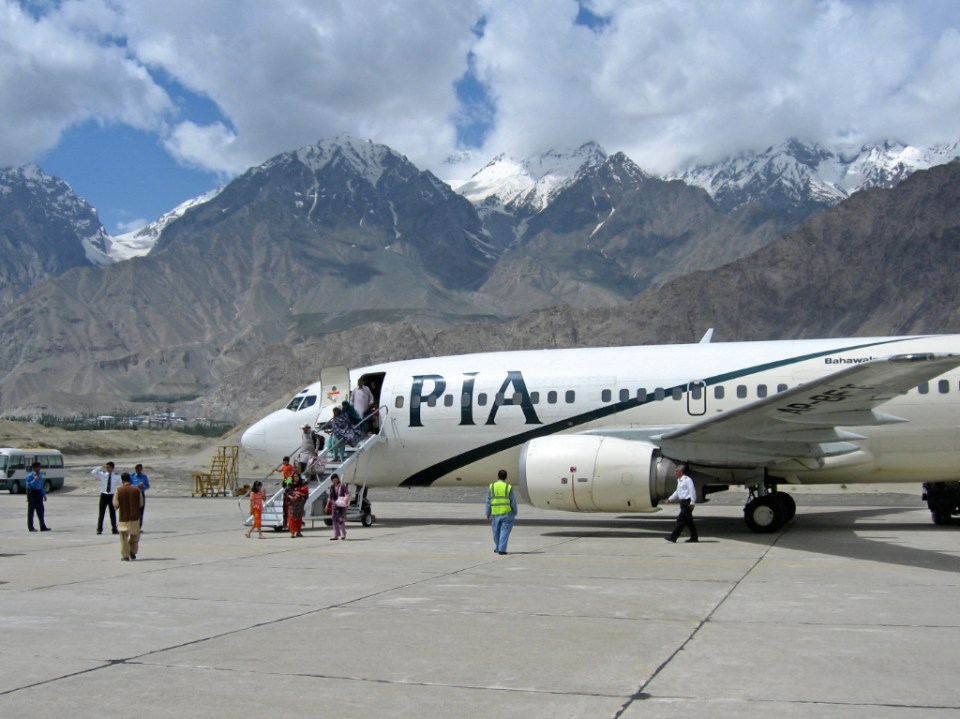
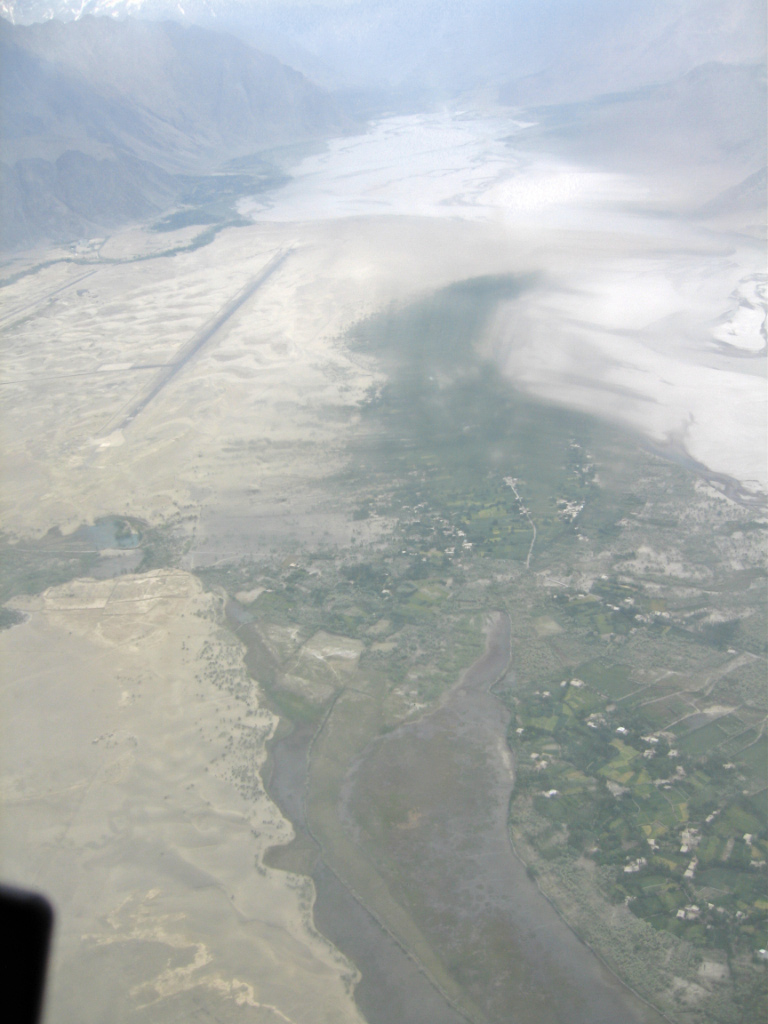
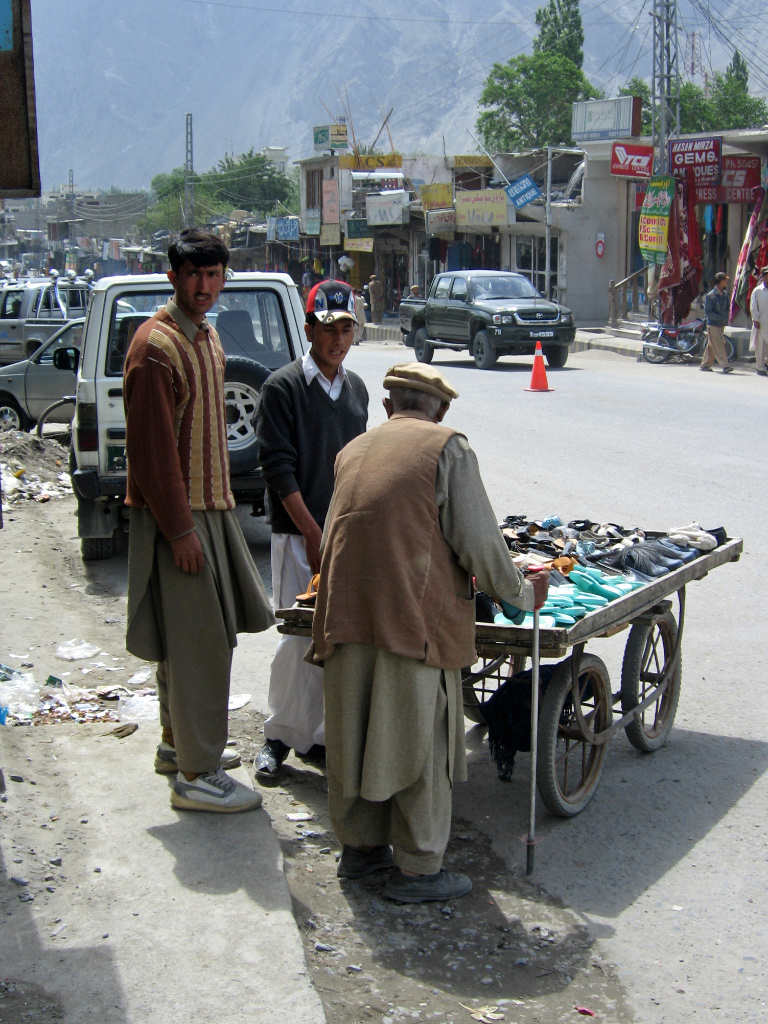
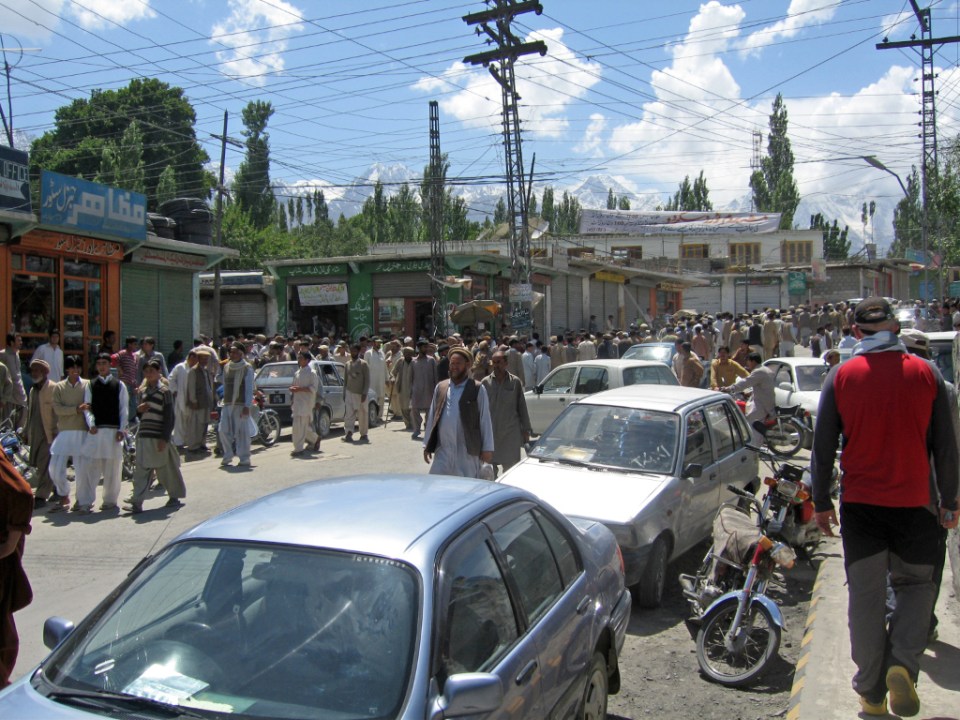
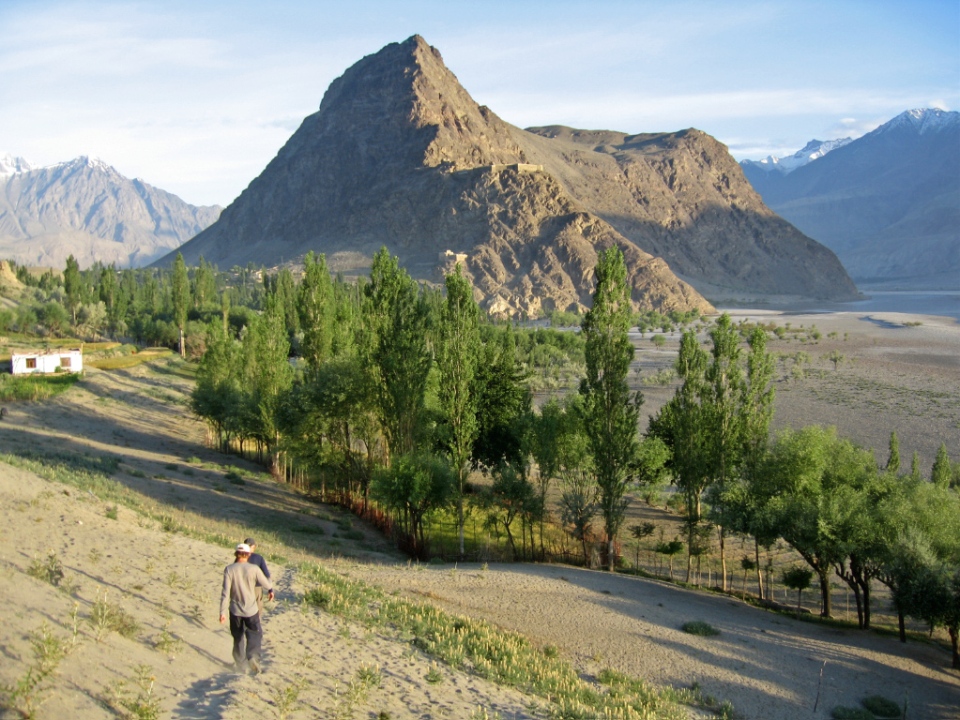
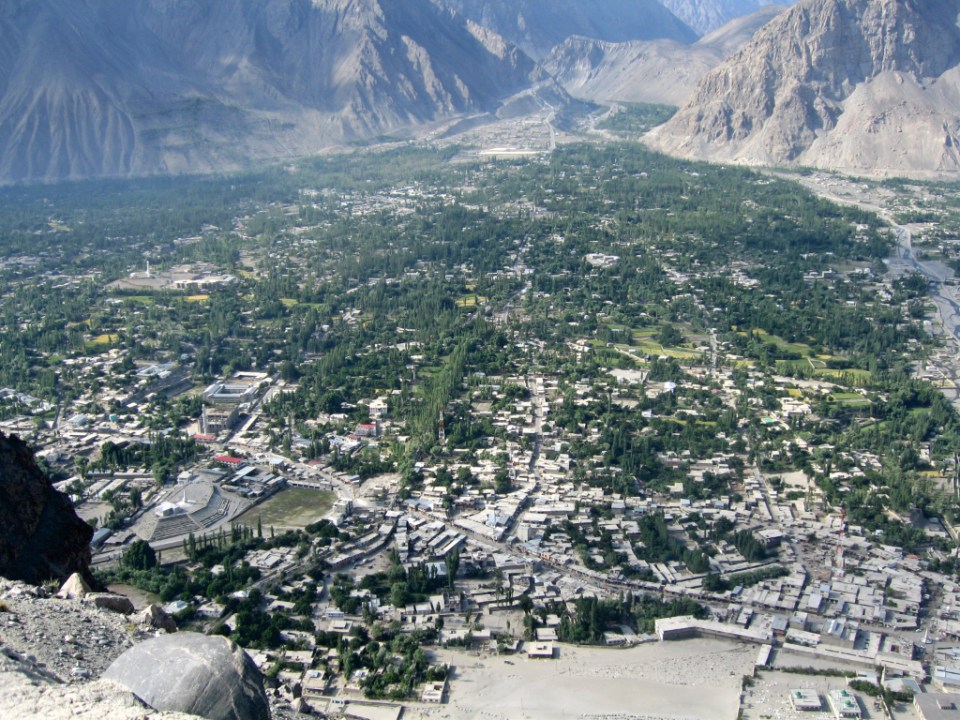
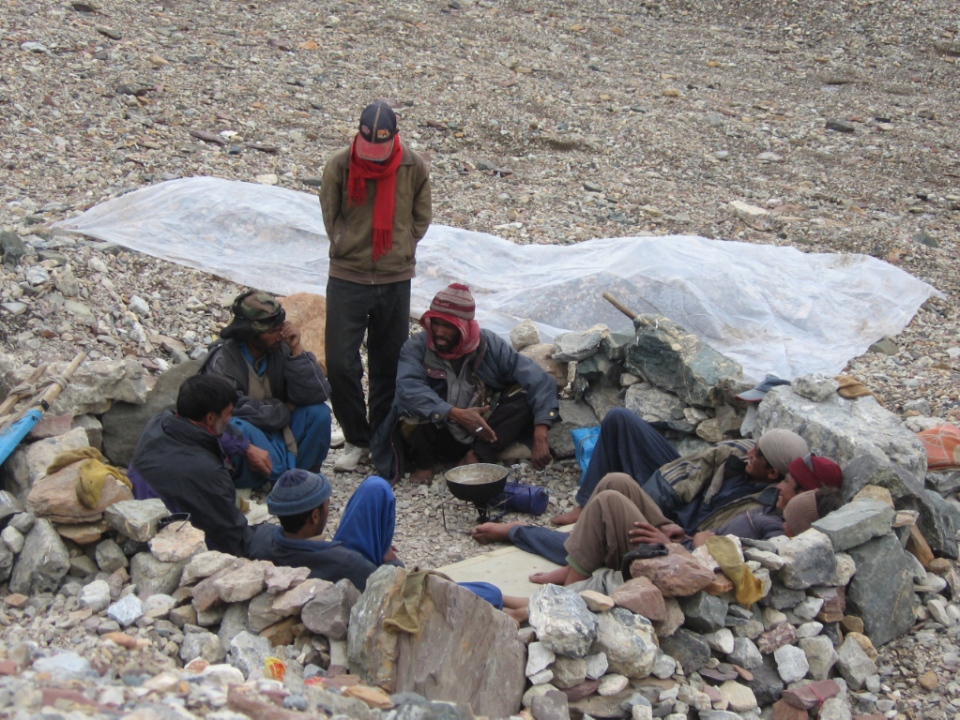
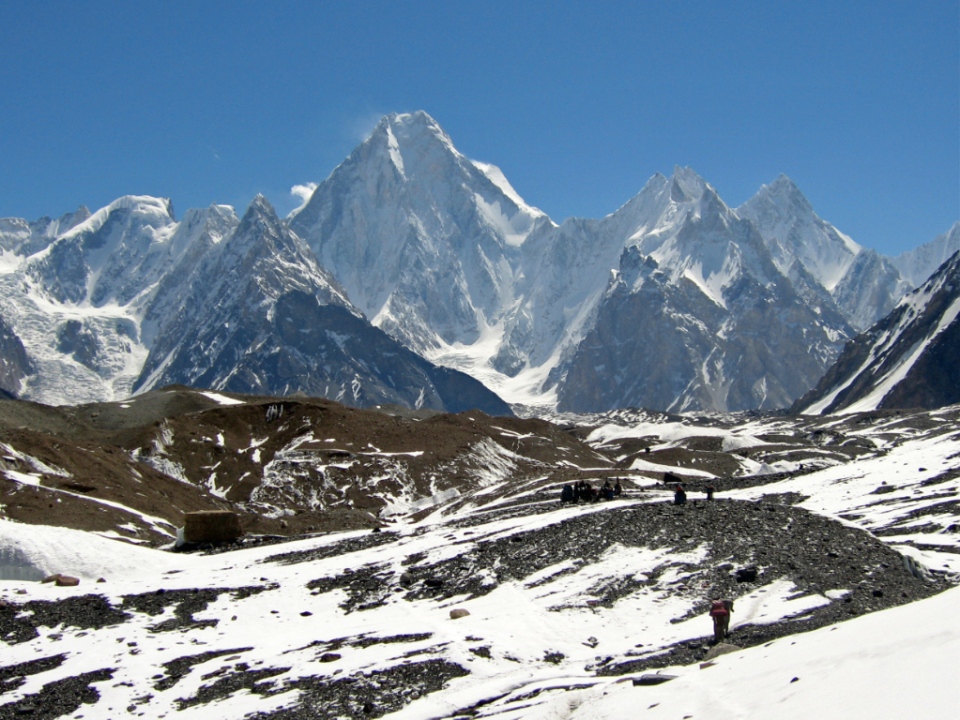
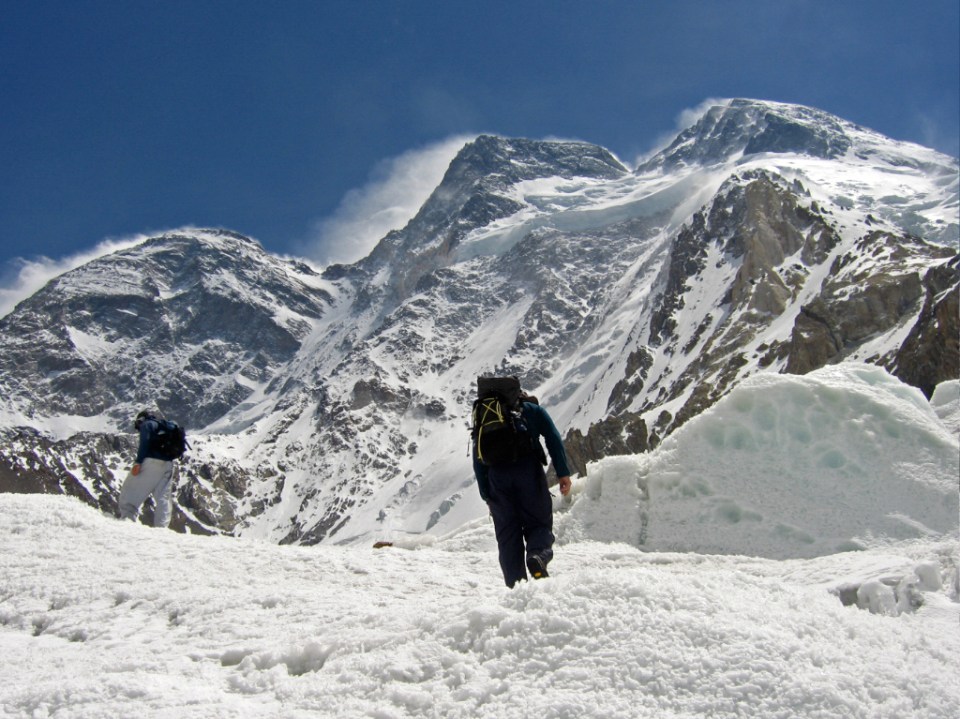
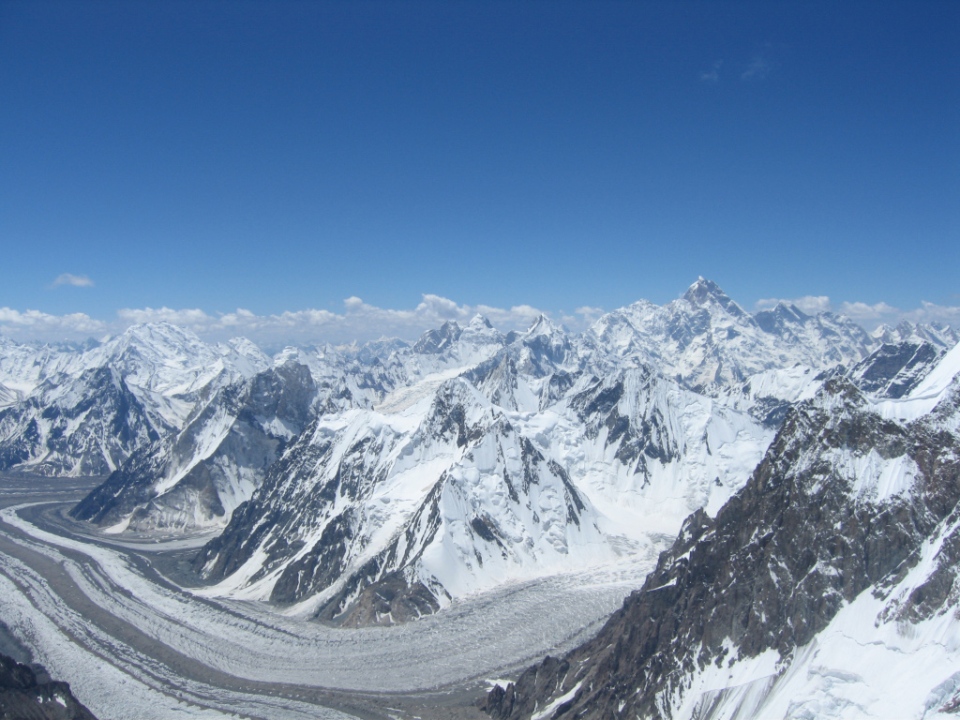
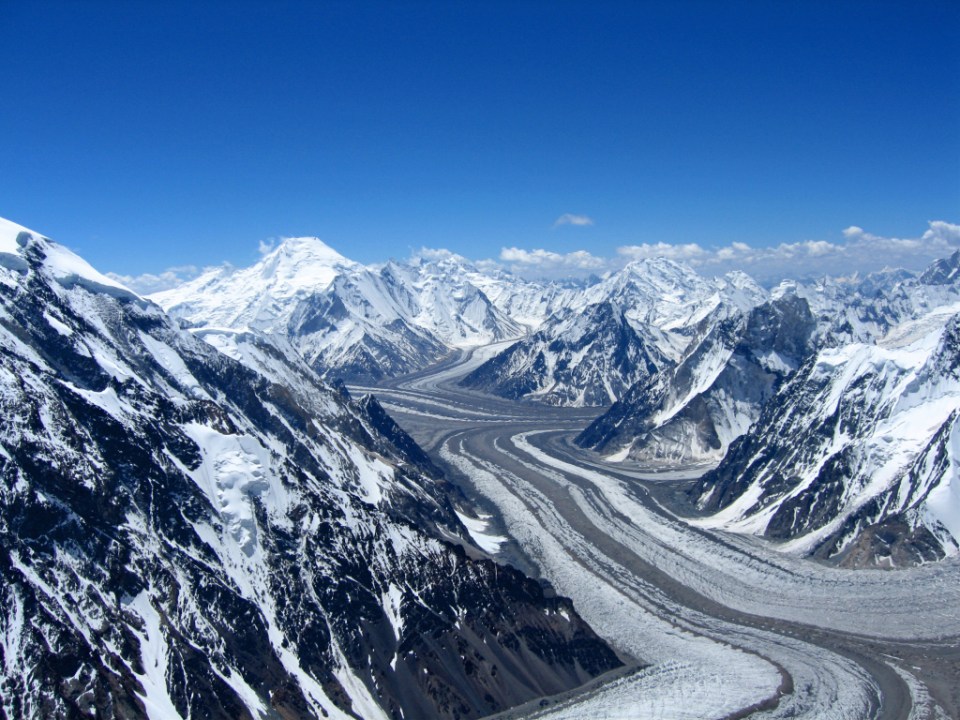
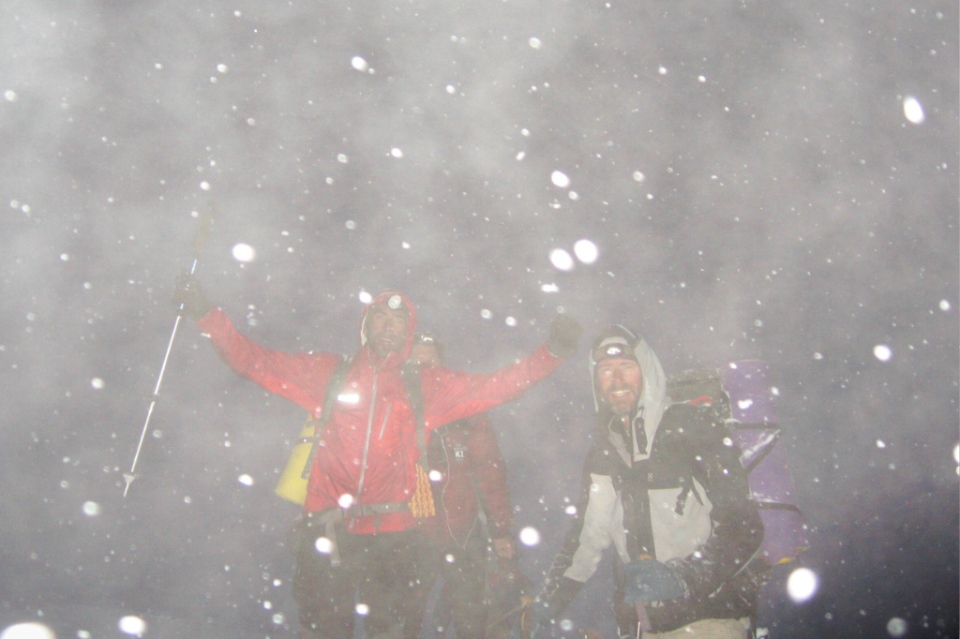
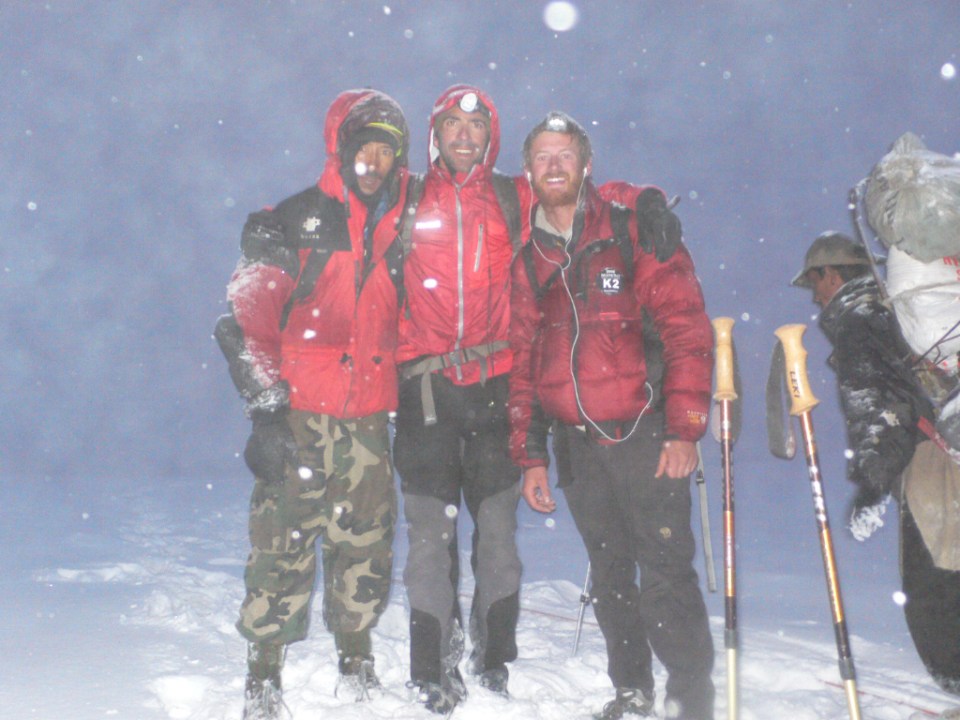
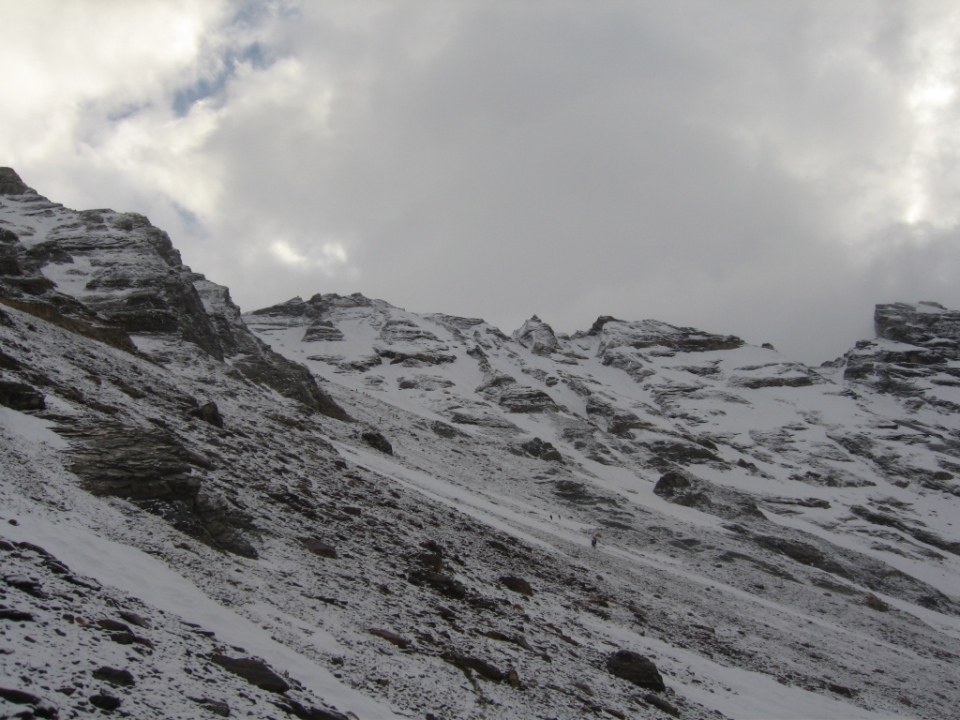
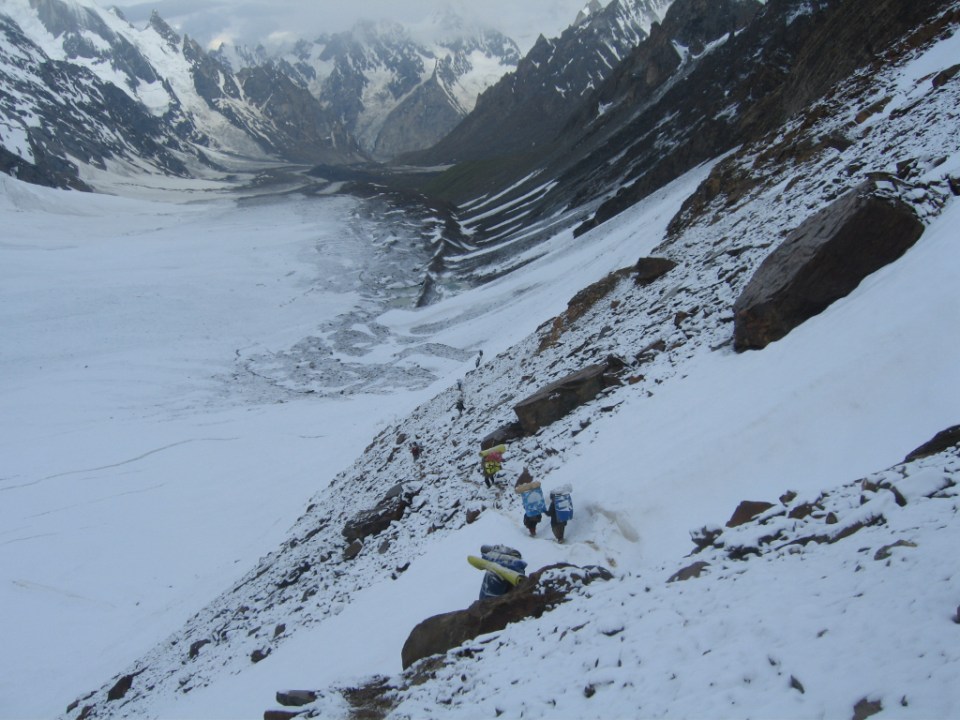
The team assembled in Islamabad and composed of 11 climbers who were there solely to concentrate their efforts on K2, another 11 climbers were there to climb Broad Peak, (four of these later transferred over to K2 after the Broad Peak expedition had finished), there were also 4 trekkers with us for the adventurous journey in to base camp. Next we travelled north to Skardu (2500m). There are two ways to get there, the easiest way is to fly, which is a 45 minute flight passing the mighty Nanga Parbat mountain en route, the alternative is an epic 2 day road journey up the Karakorum Highway, an experience you wont forget in a hurry. Skardu was our home for five days, we organised gear and supplies and also did a lot of wandering around exploring the area.

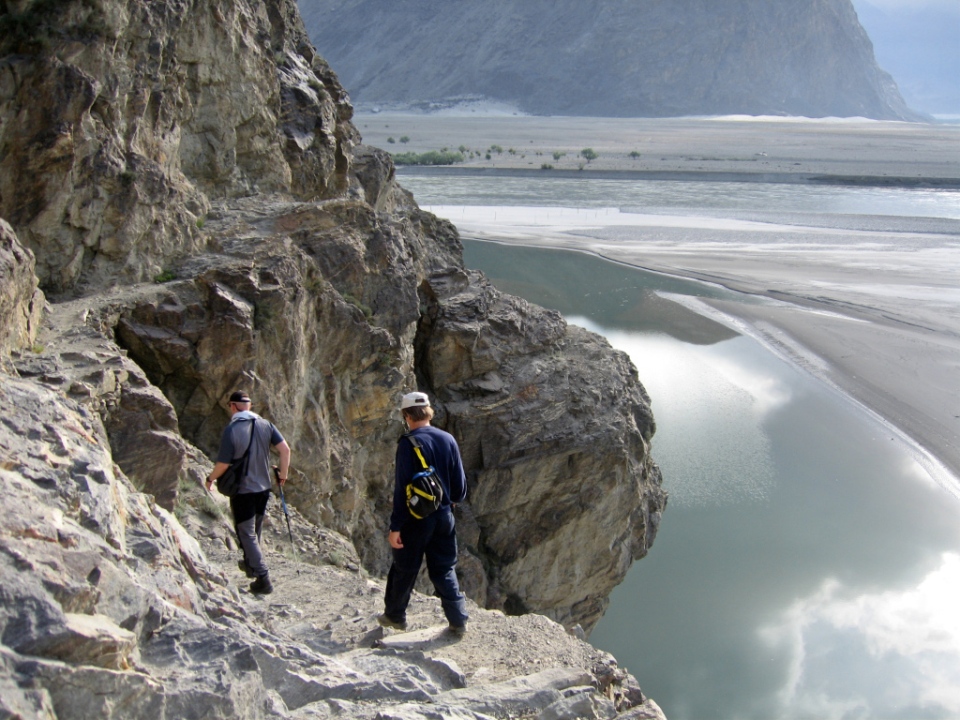
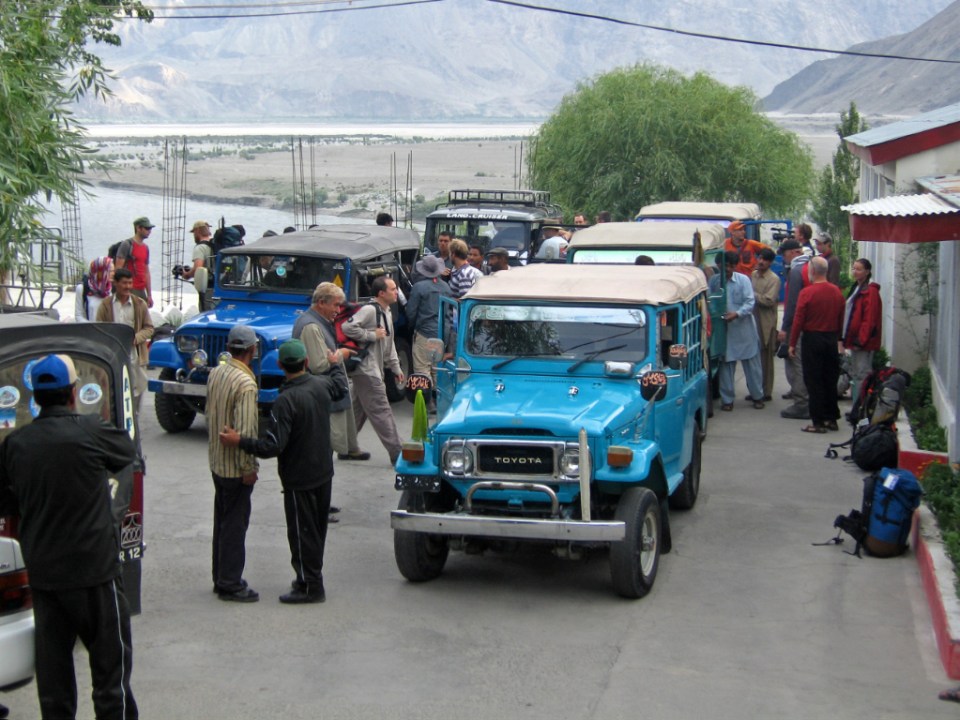
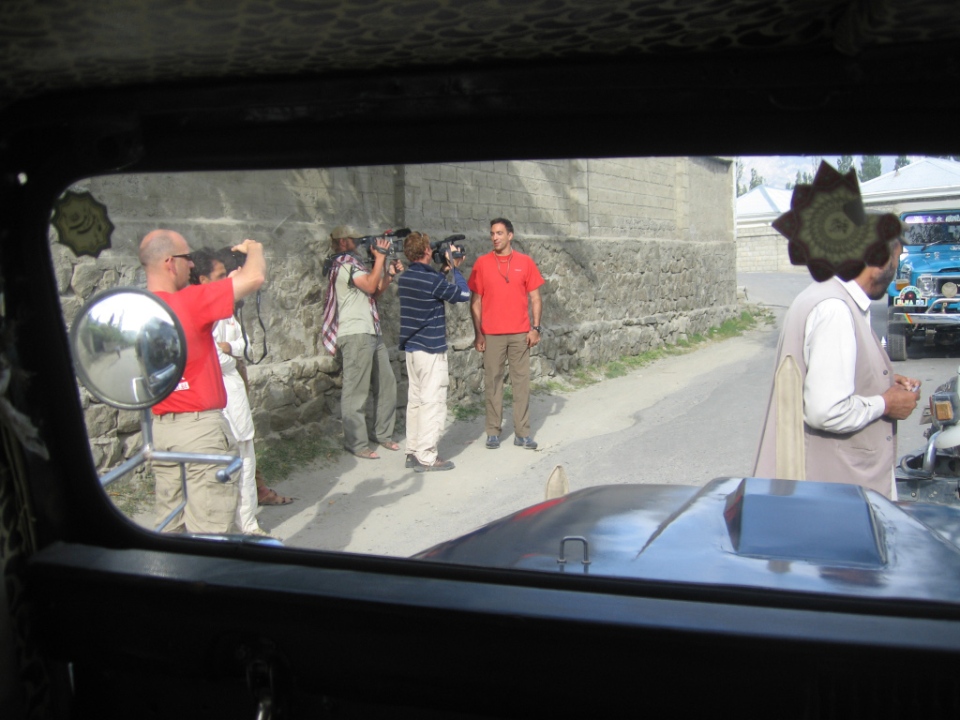
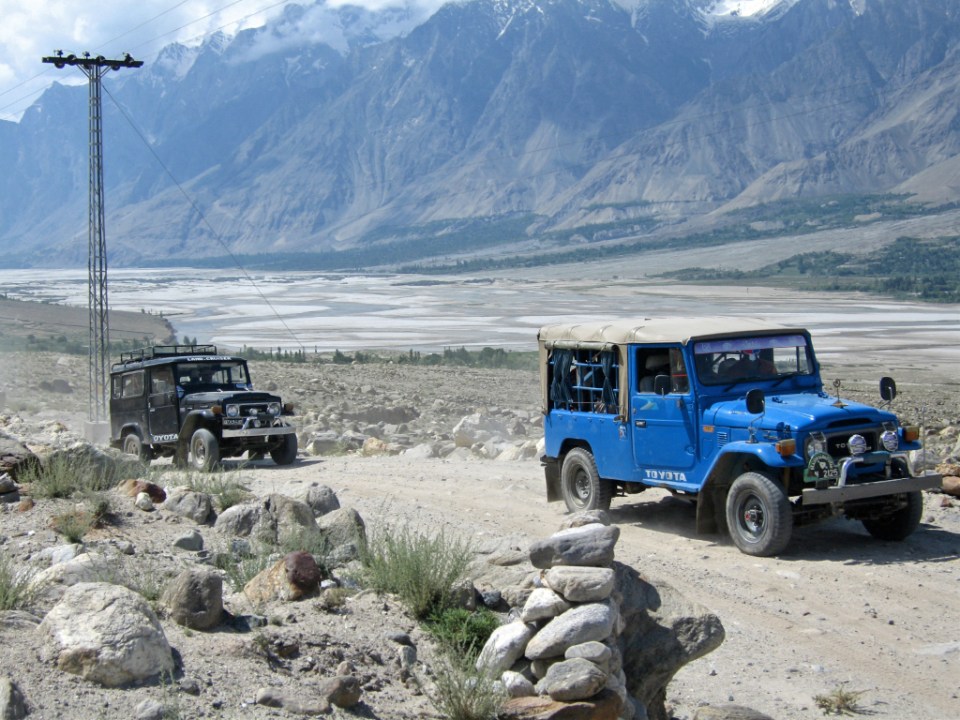
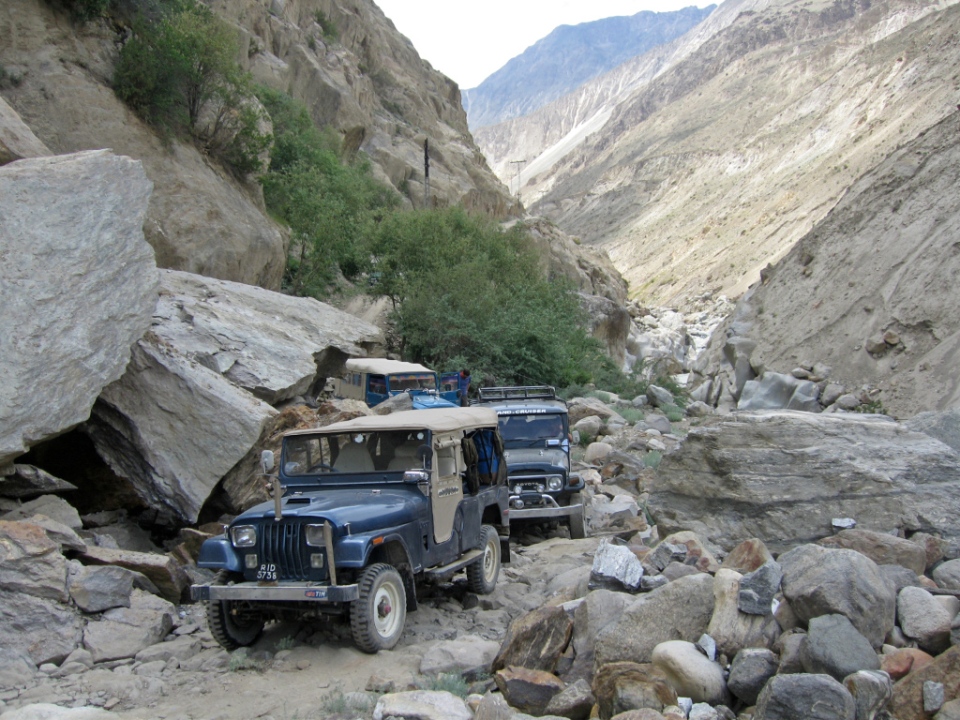
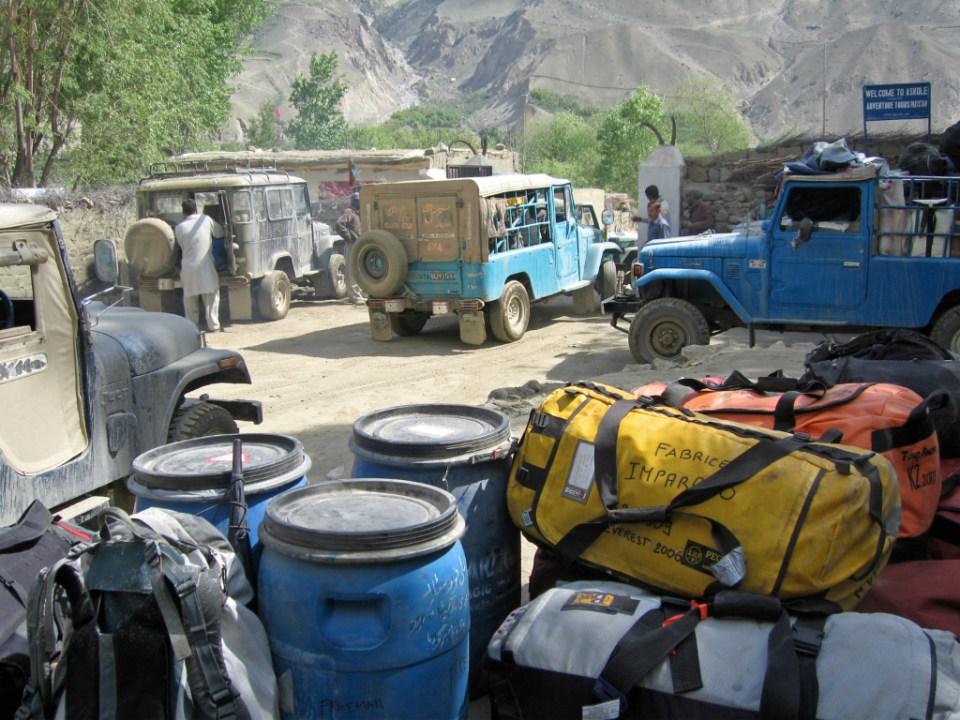
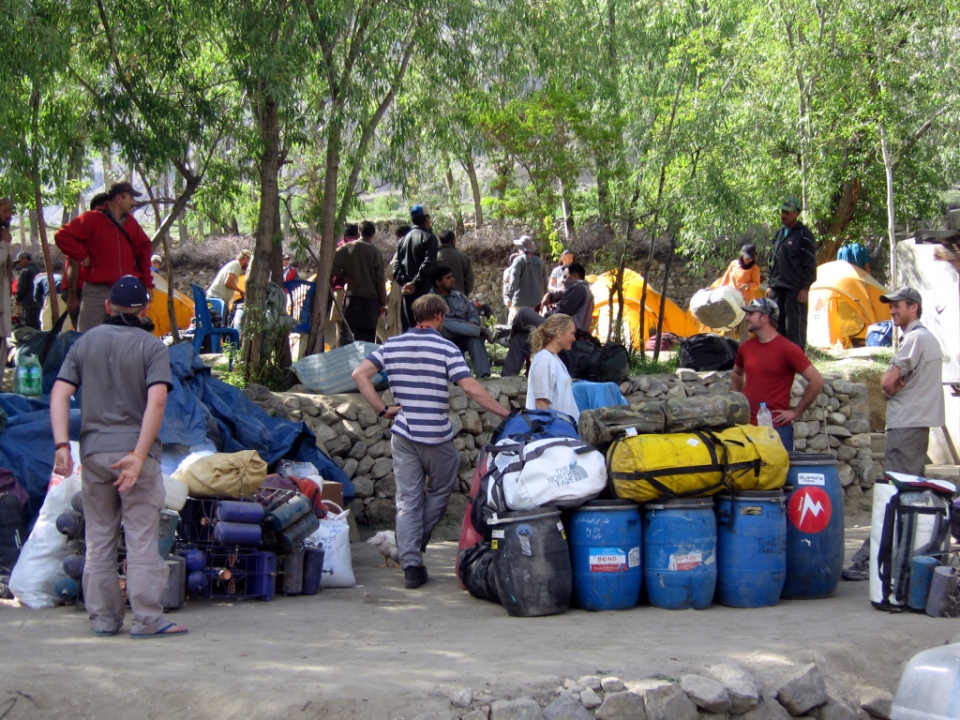
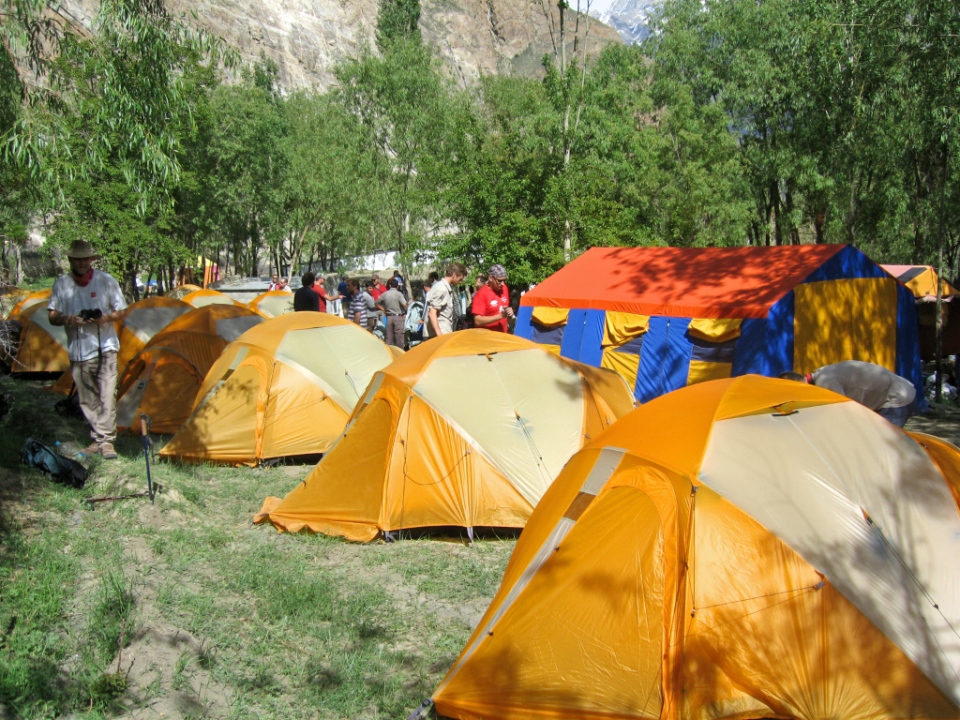
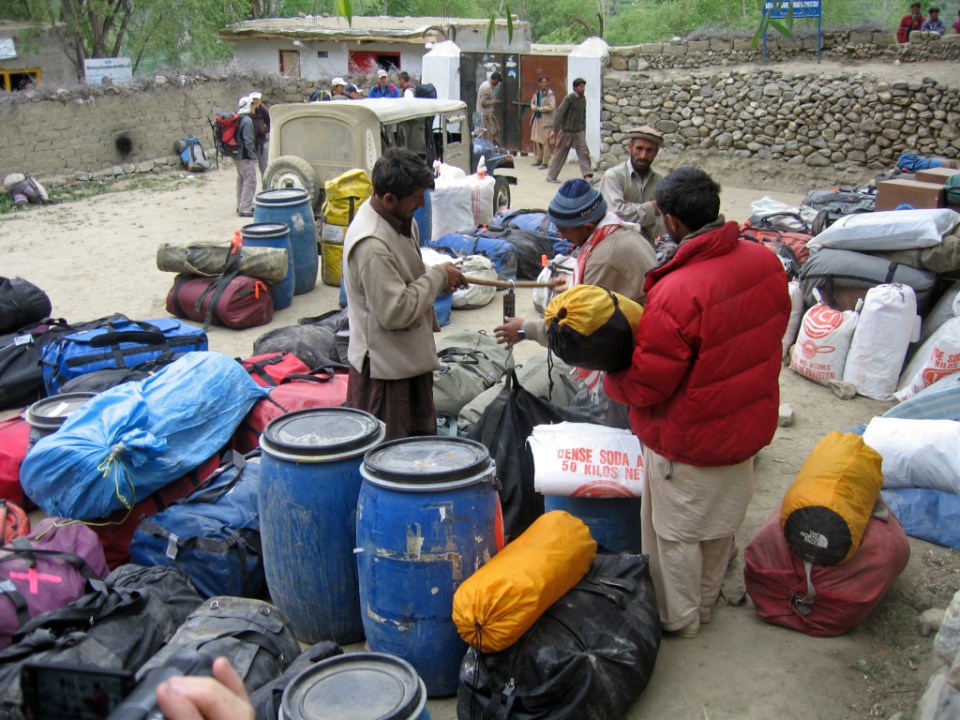
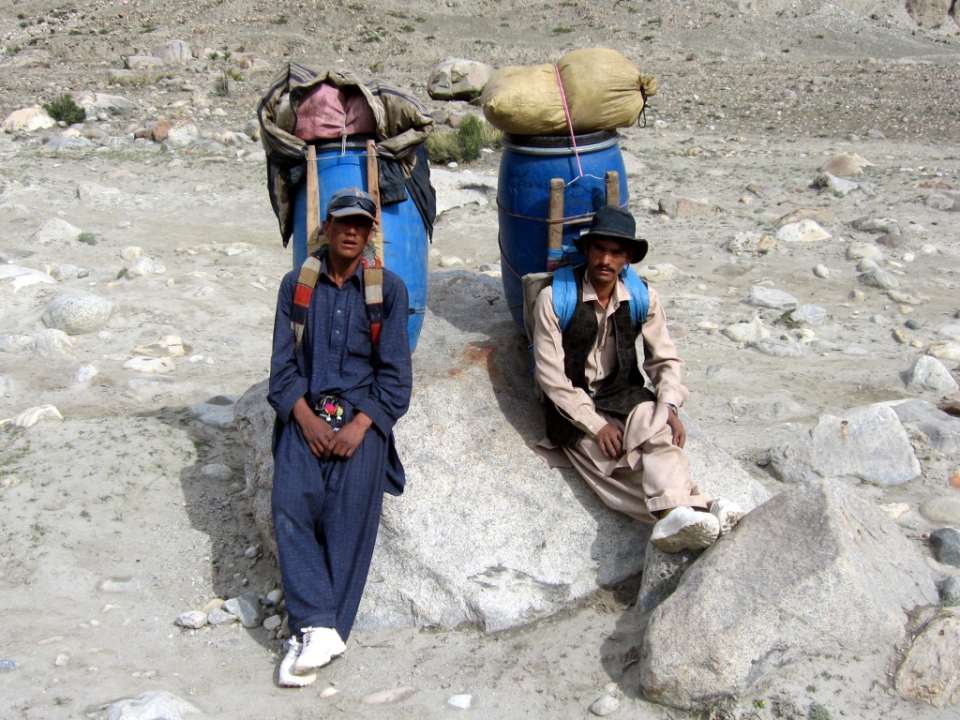
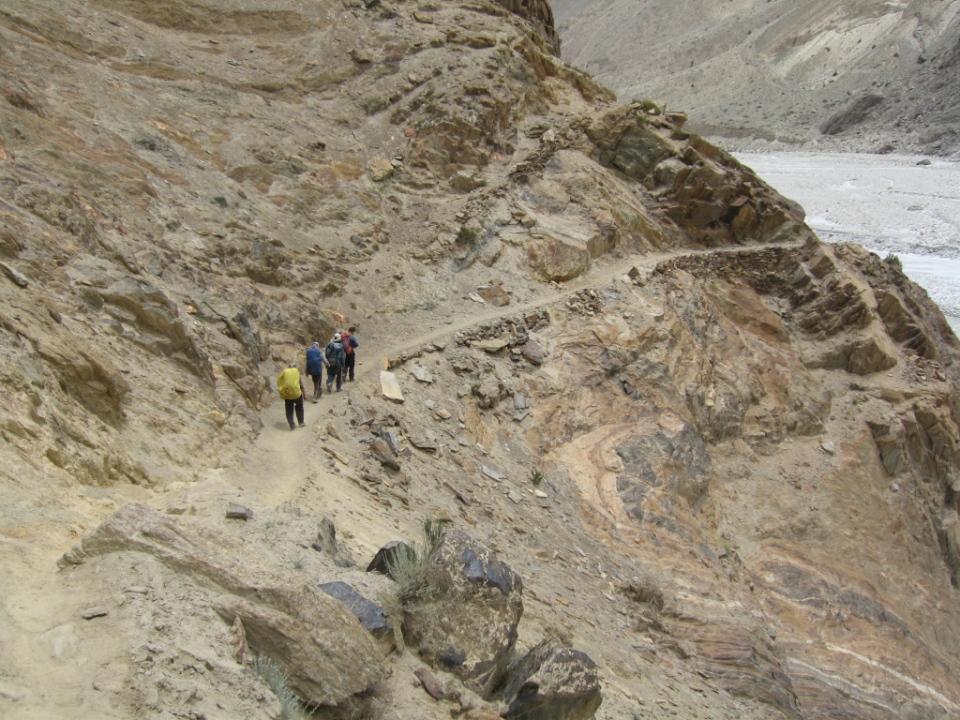
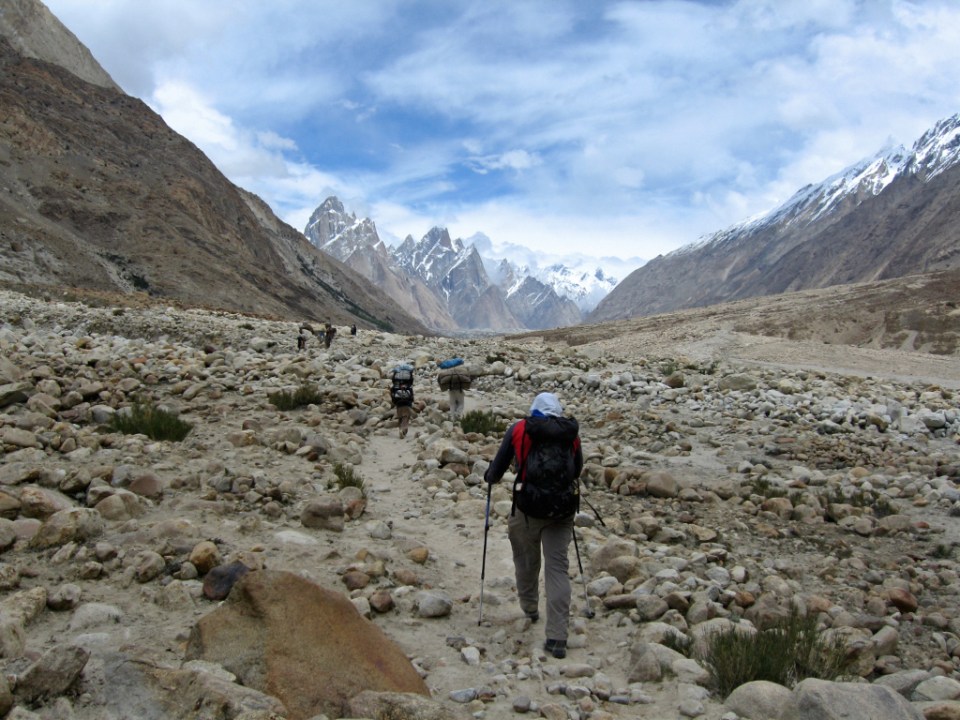
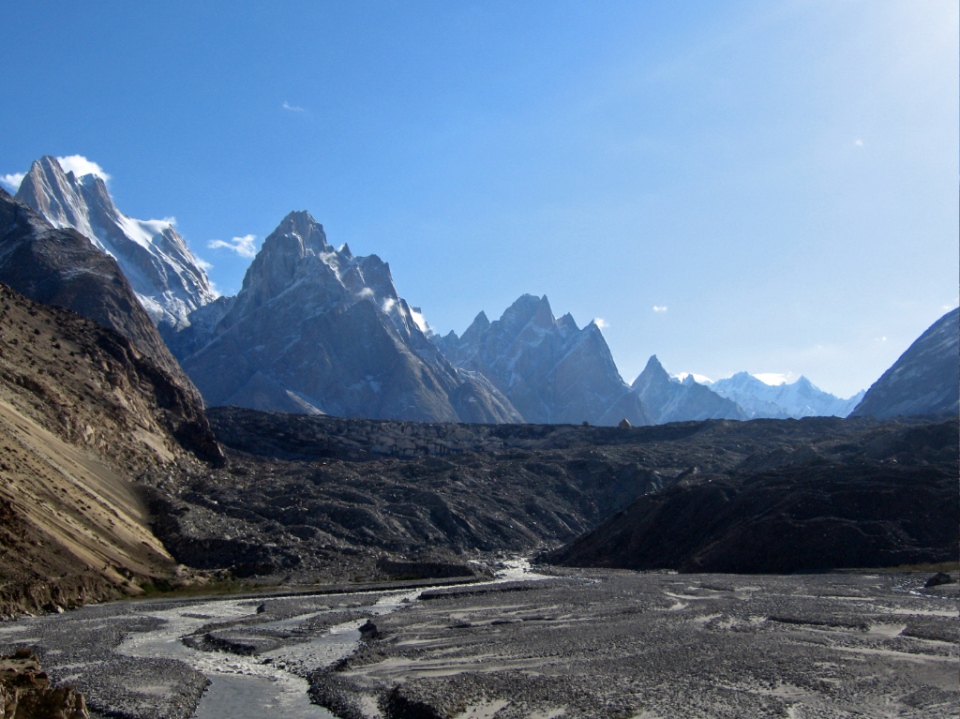
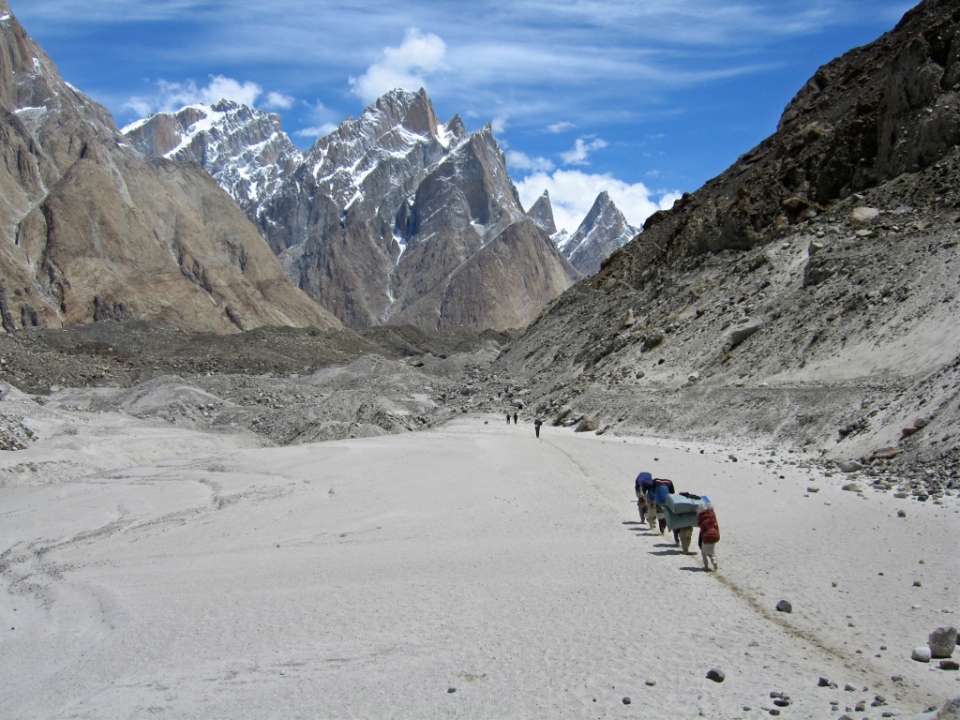
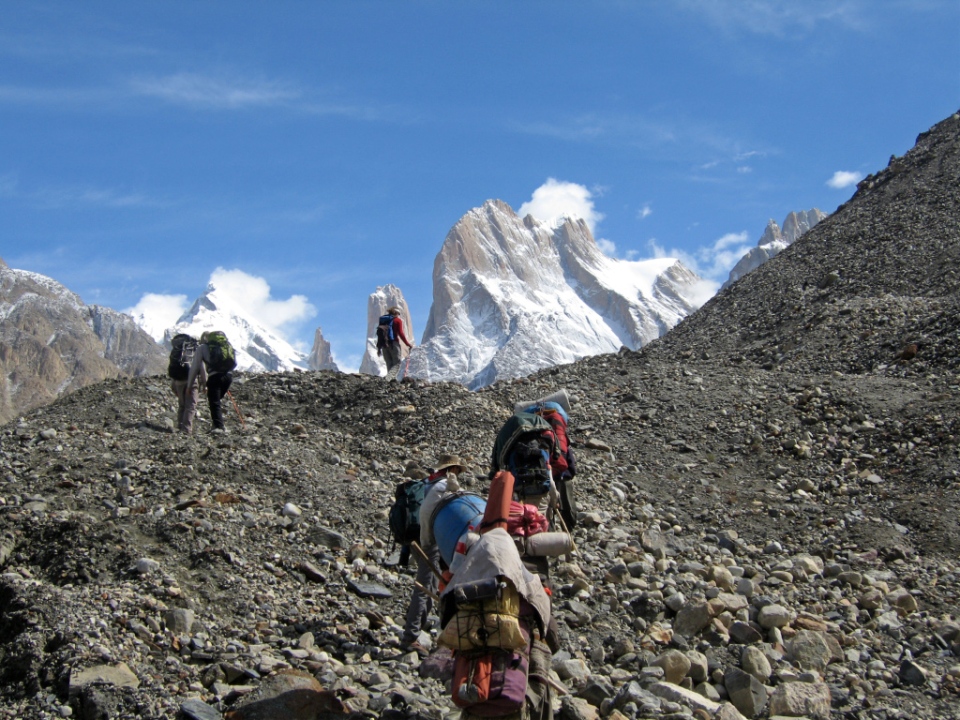
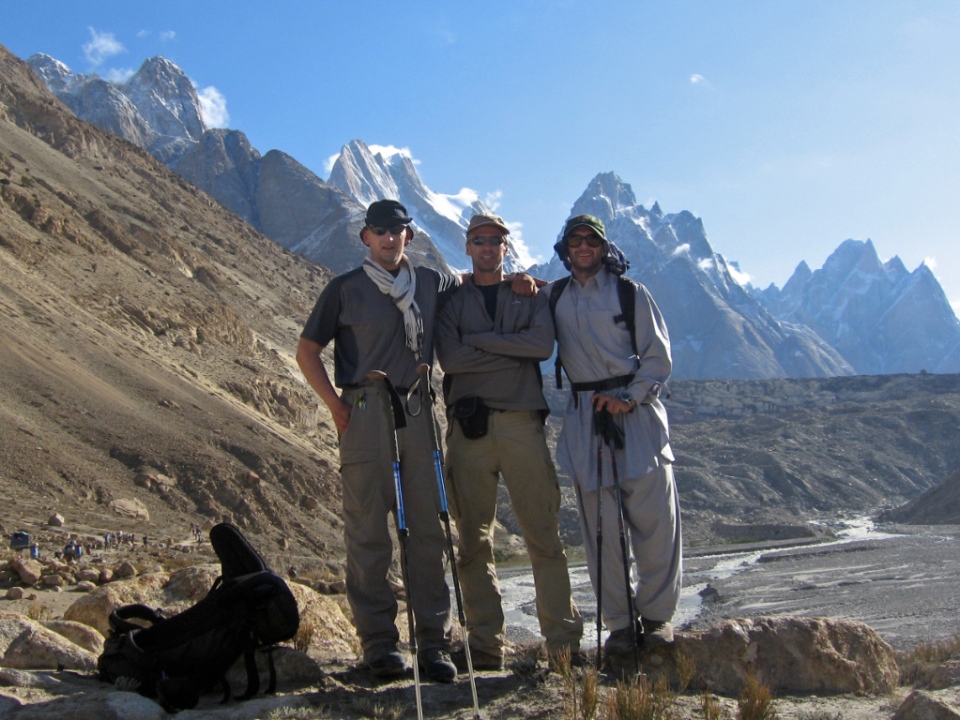
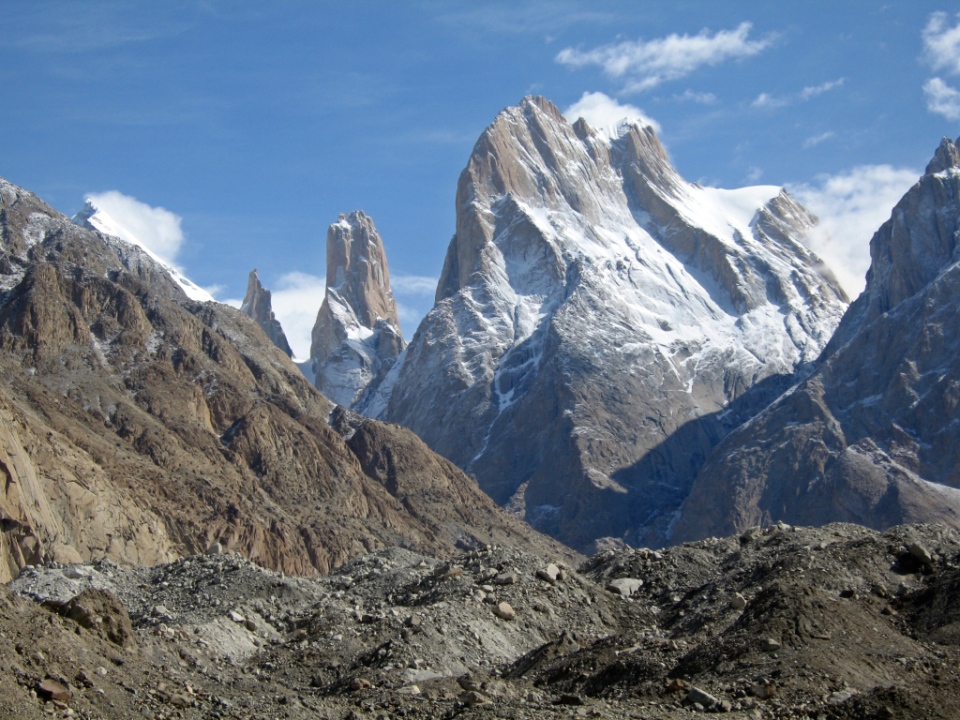
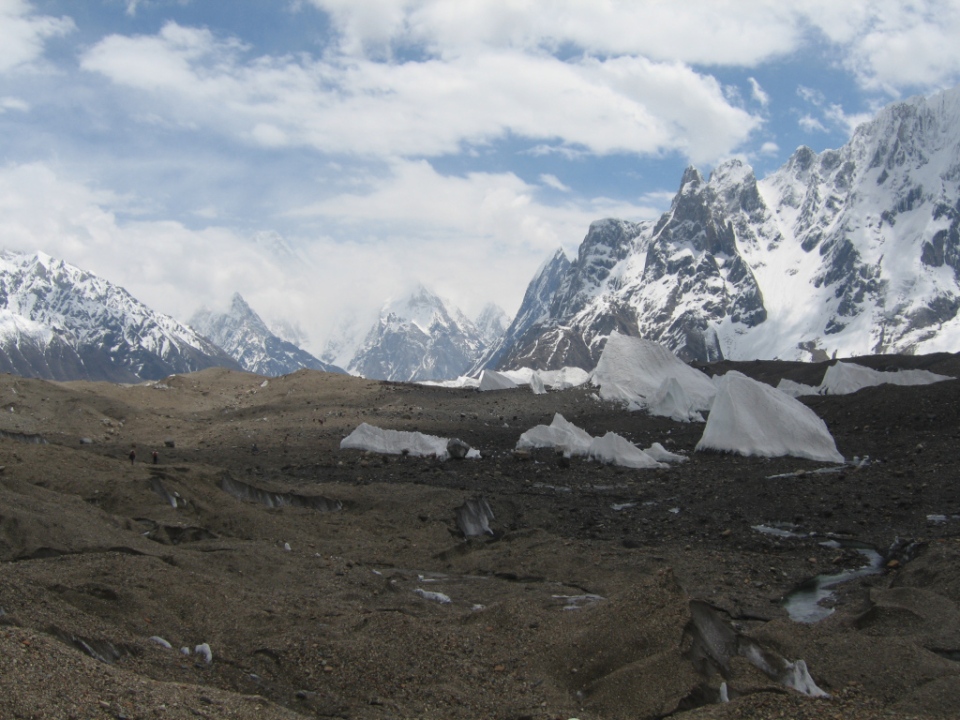
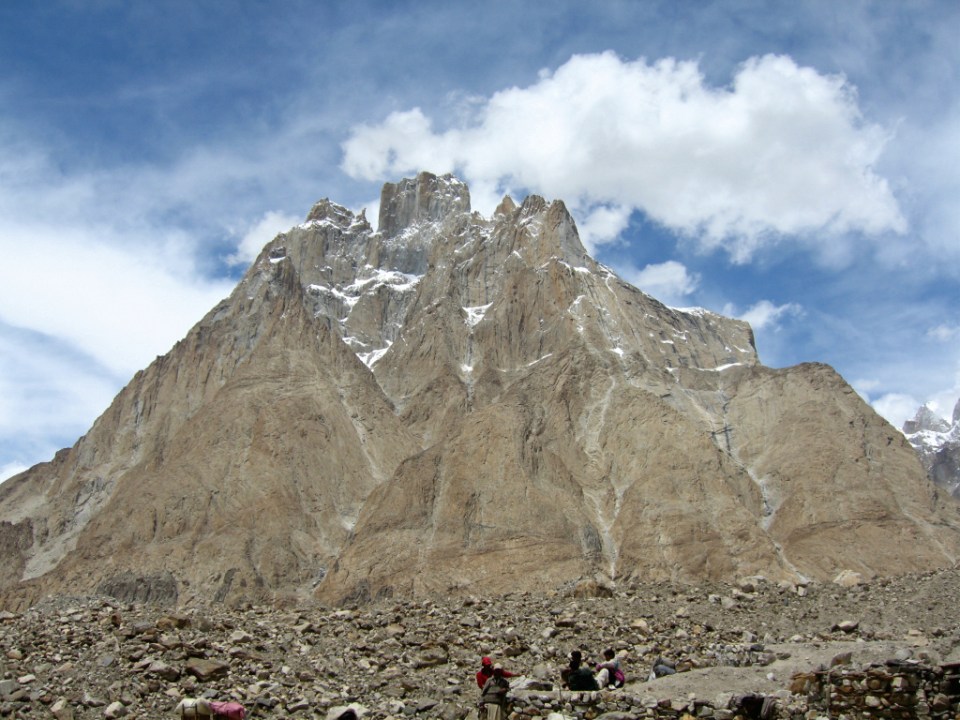
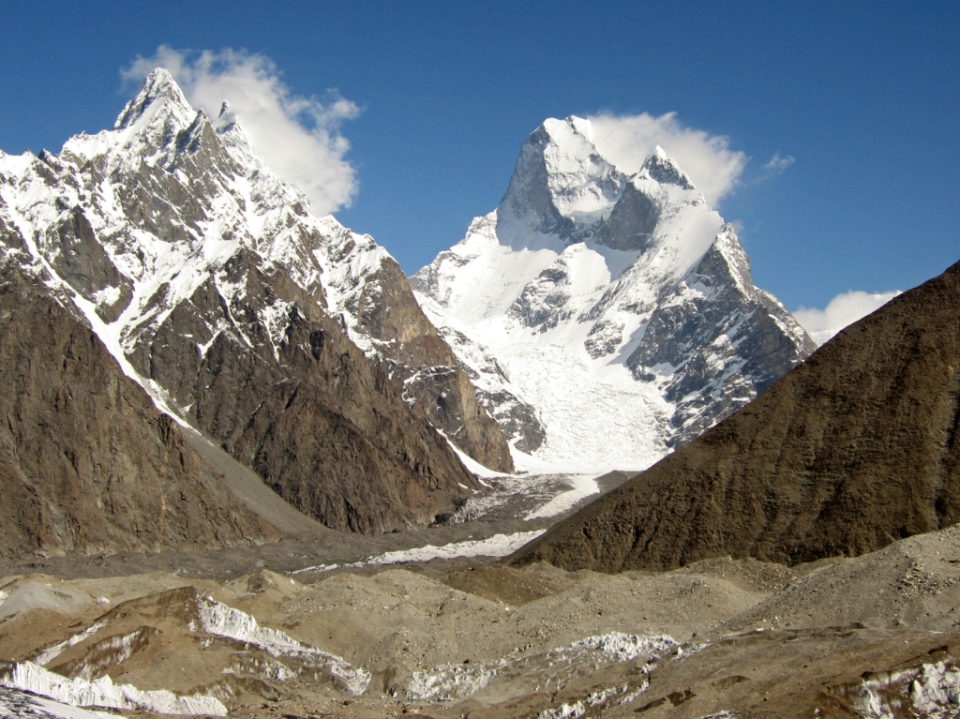
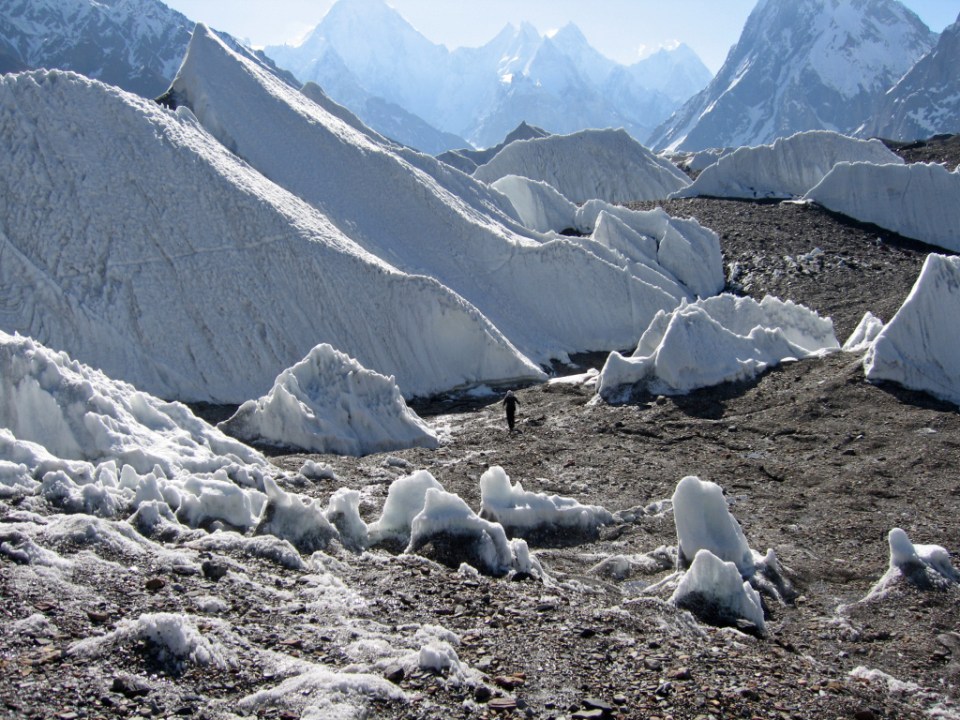
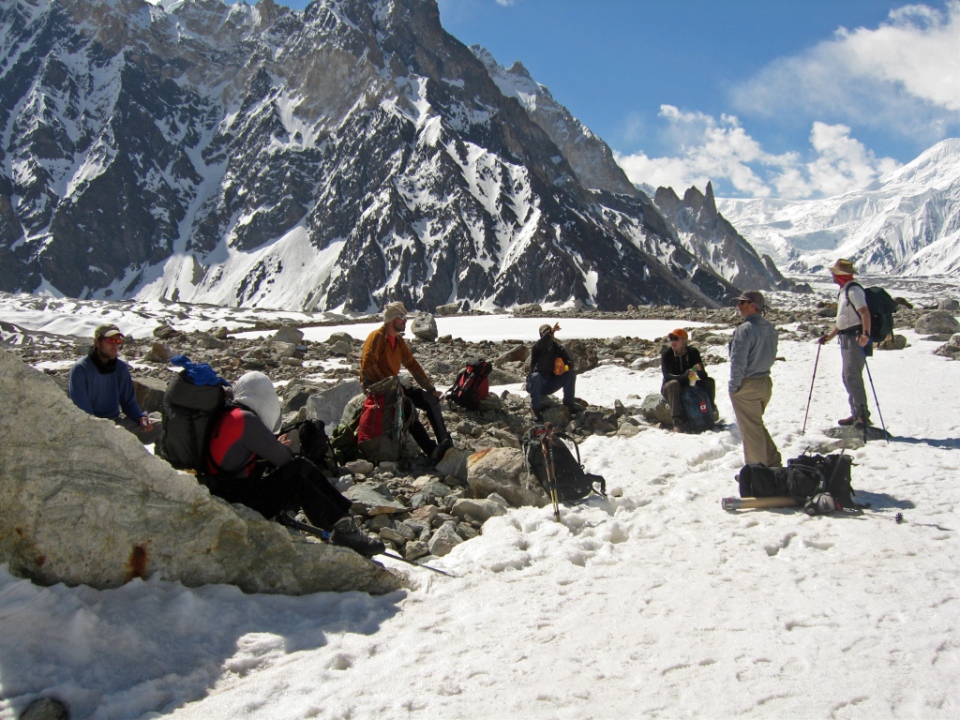
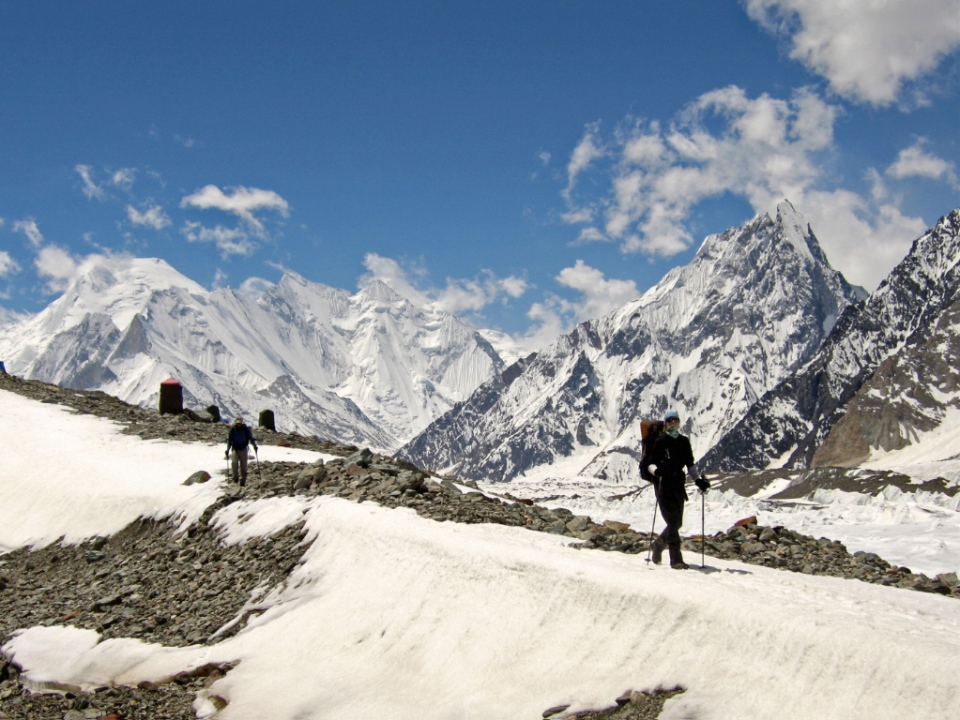
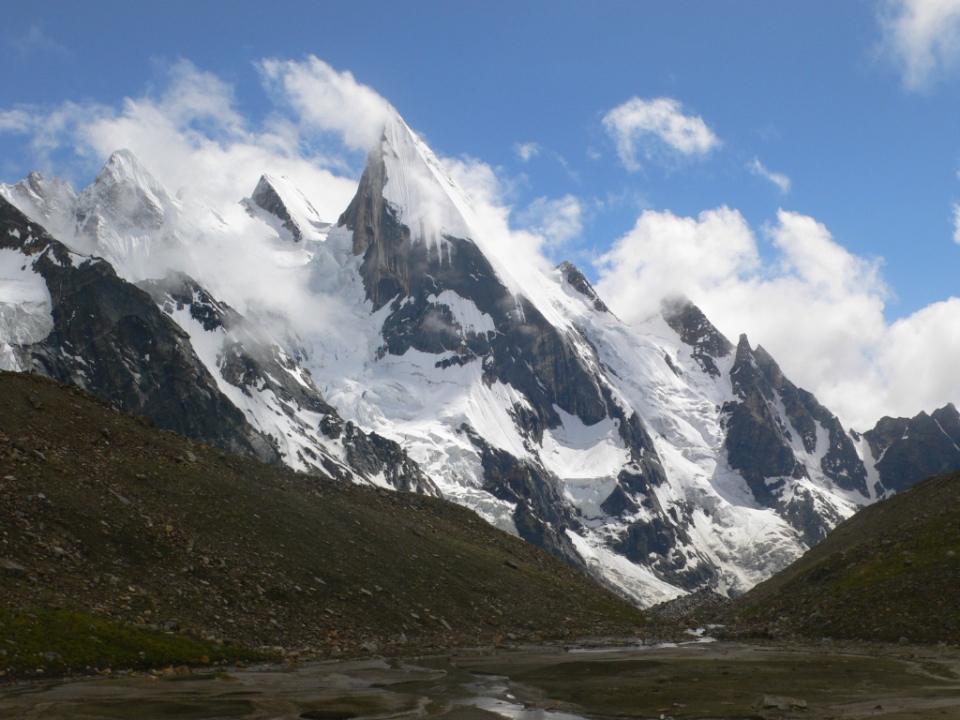
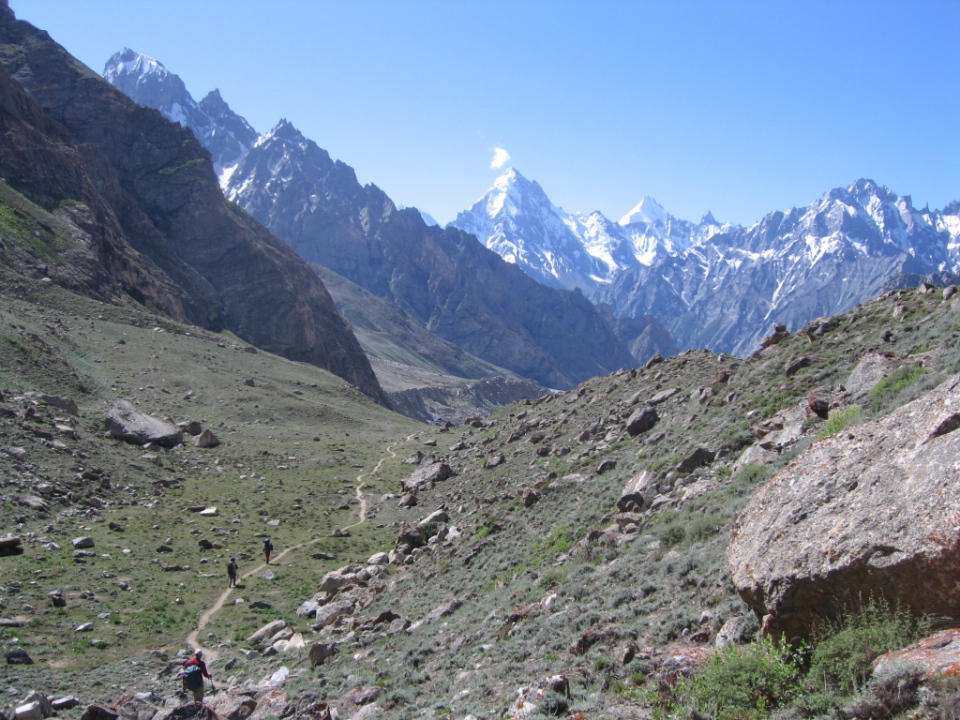
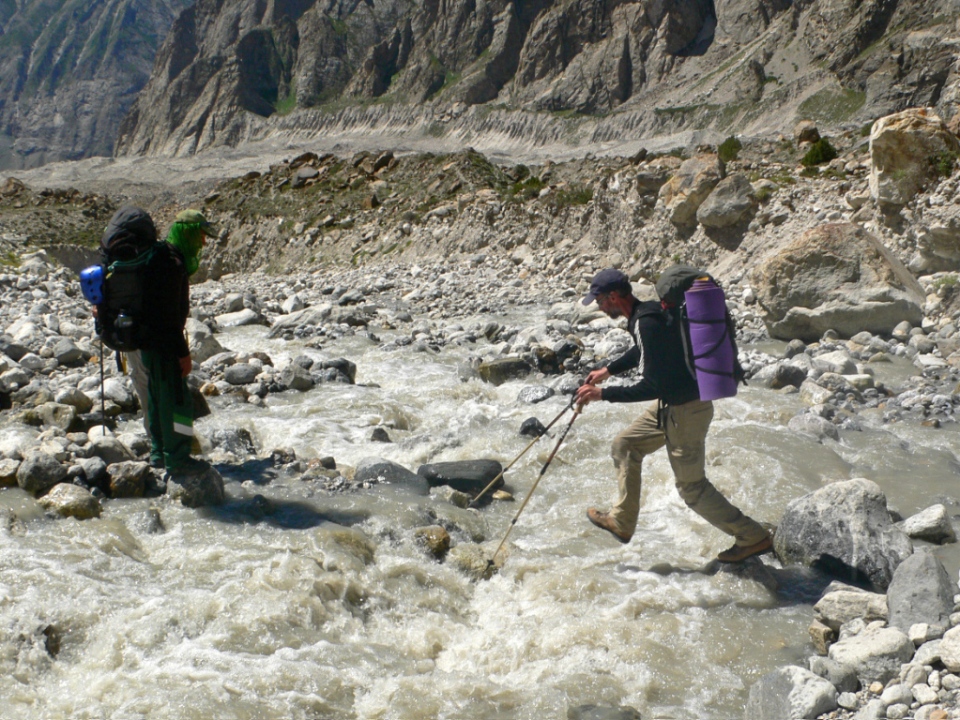
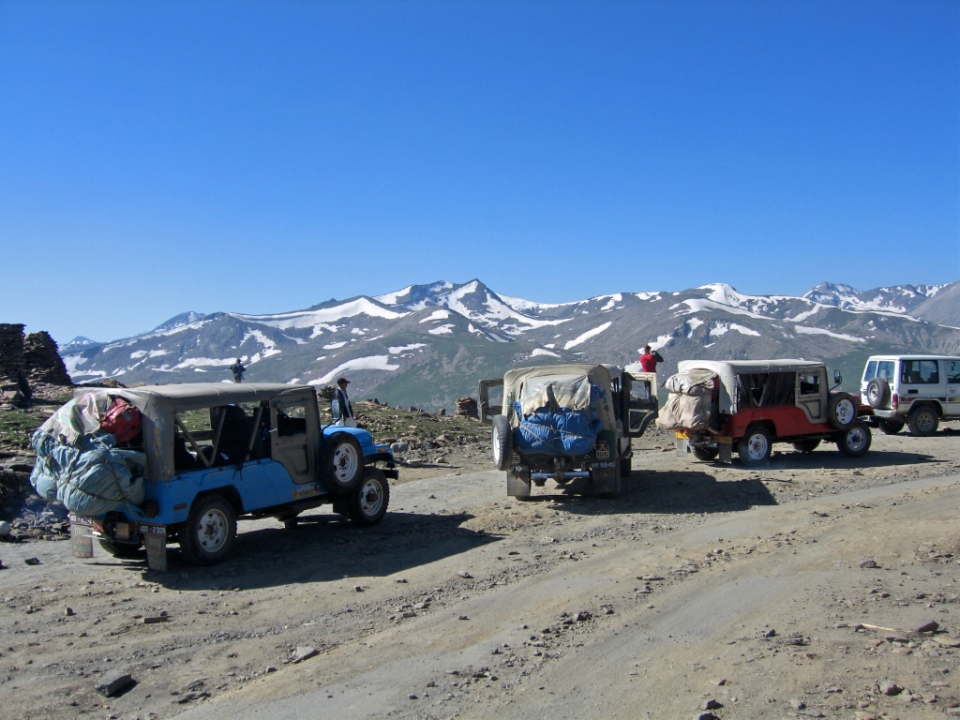
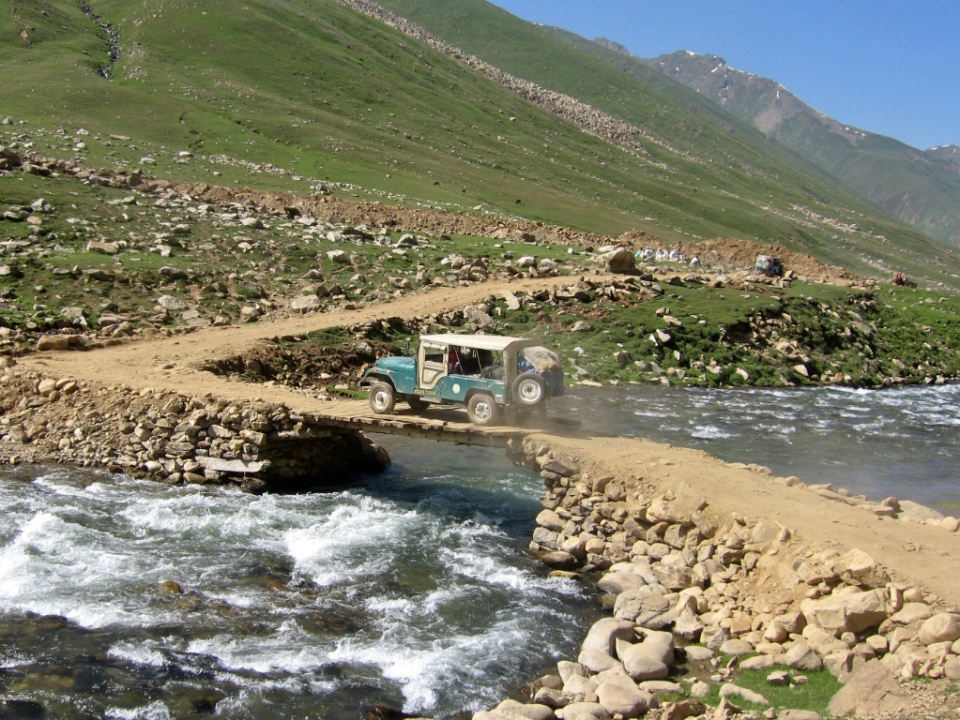
The next major challenge for the expedition leaders Fabrizio and Chris was to get ourselves and our mountain of gear to the start of the trek at Askole, this involved a convoy of jeeps and a ride along the Shigar valley and then along the infamous track following the Braldu Gorge, this track has been much improved over the years and we managed it in just over 6 hours. At Askole the porters were hired and the loads weighed and we started the 7 day trek up to base camp, (all heights are approximates).Trango Towers

  1. Askole (3050m) – Jhula (3200m)
  2. Jhula – Paiju (3700m)
  3. Paiju – acclimatisation and rest day
  4. Paiju – Urdokas (4200m)
  5. Urdokus – Goro 2 (4500m)
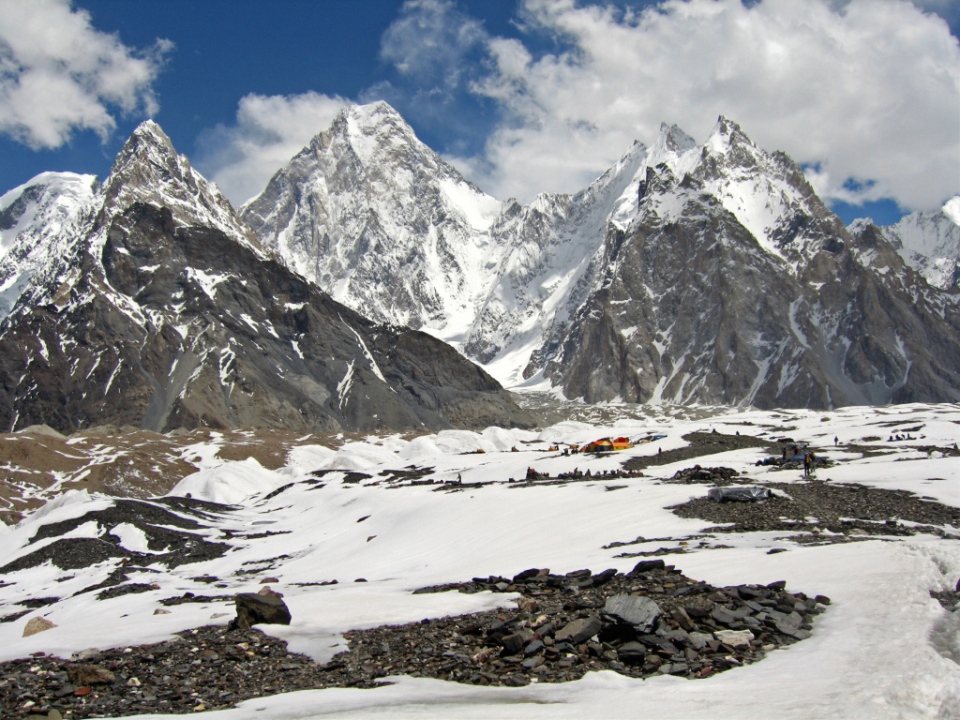
  6. Goro 2 – Concordia (4600m)
  7. Concordia – Broad Peak base camp (4835m)

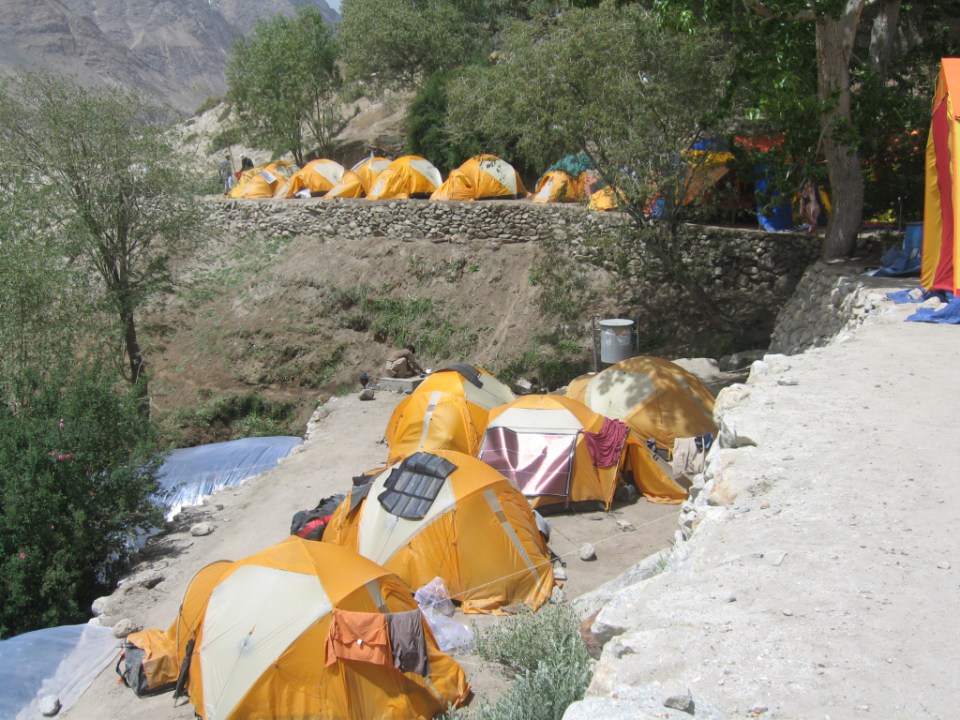
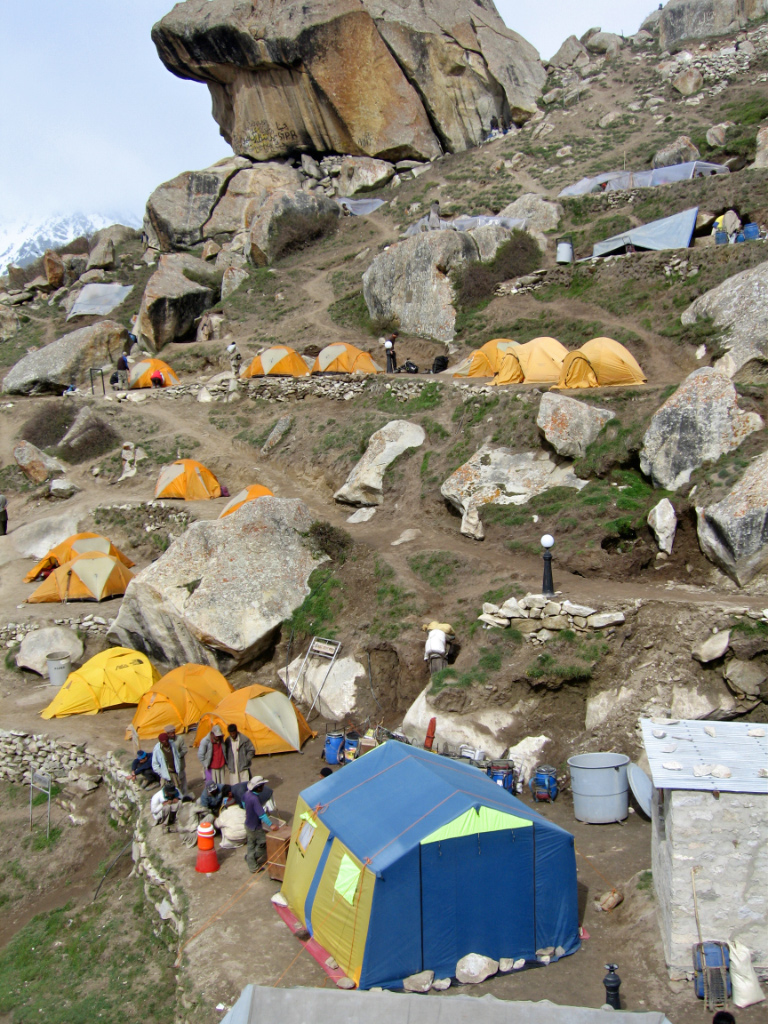
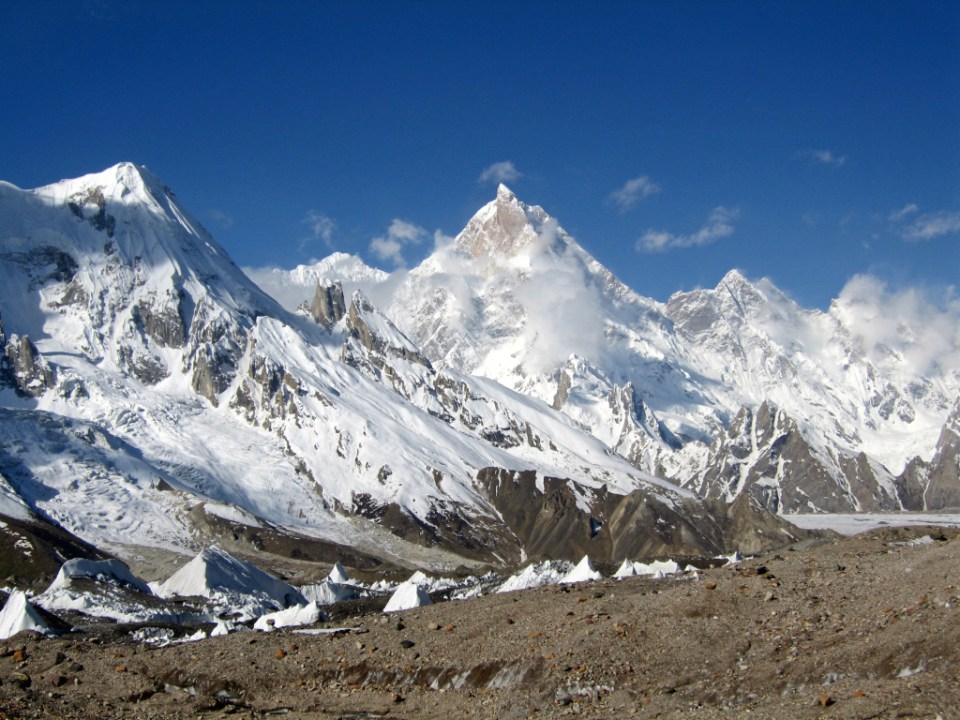
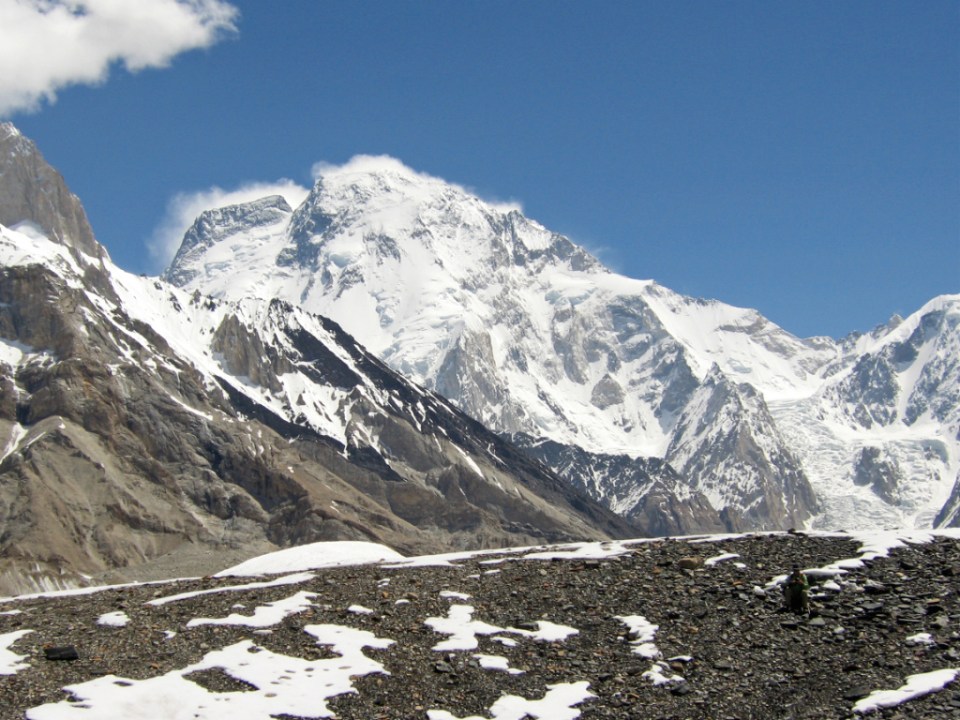
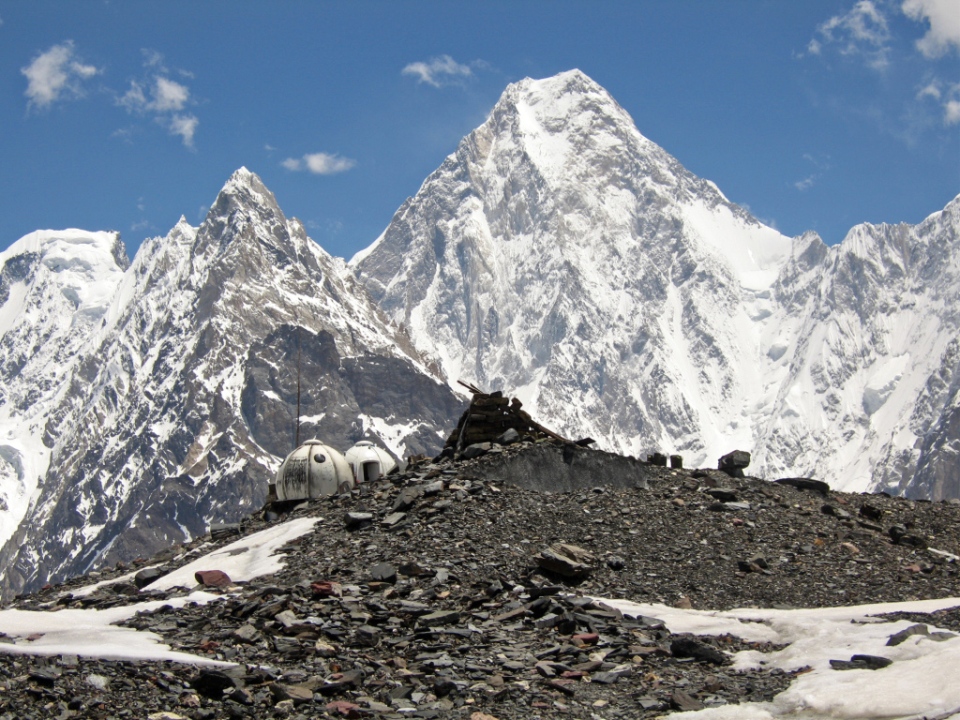
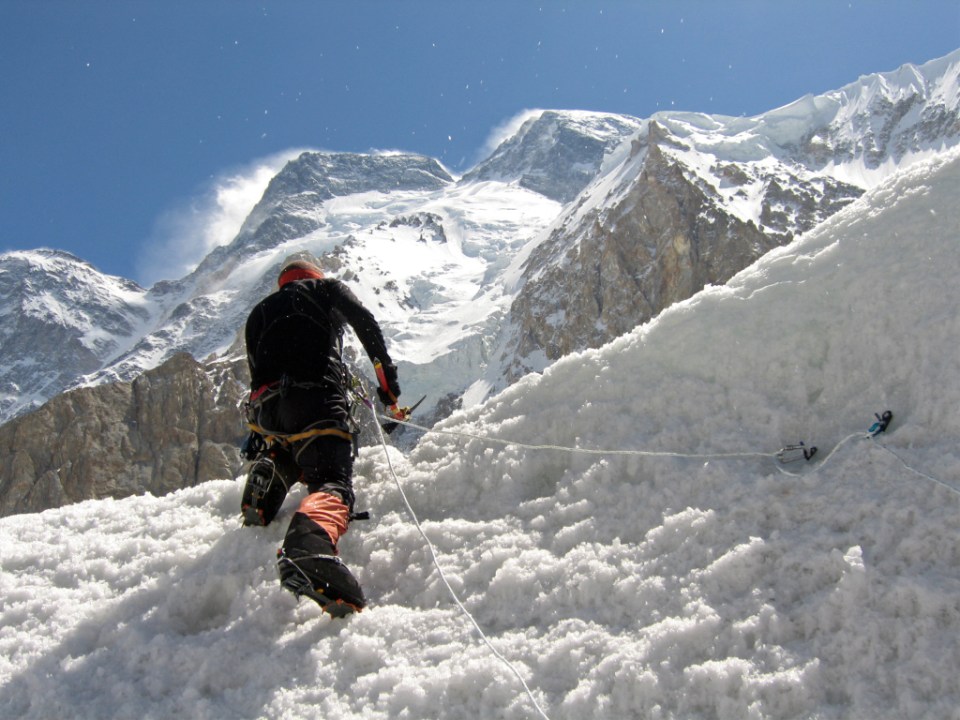
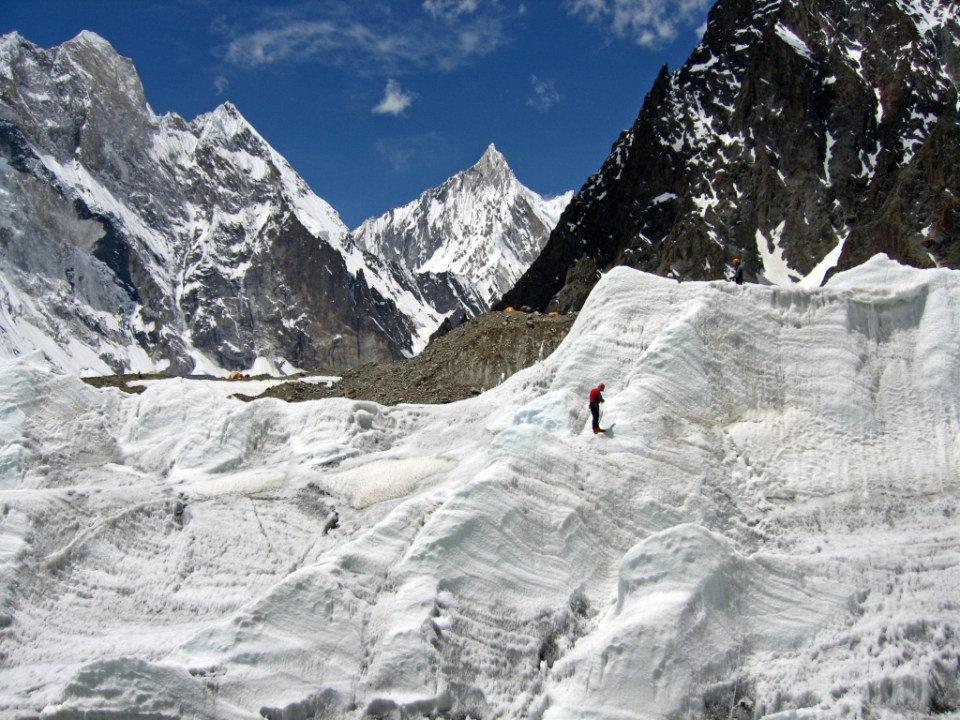
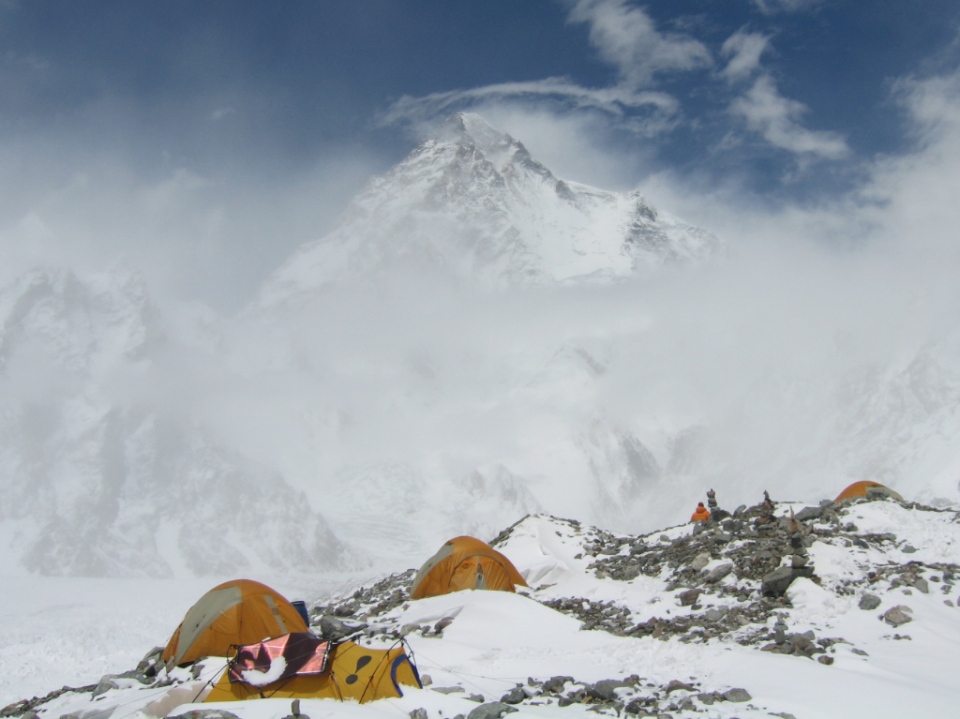
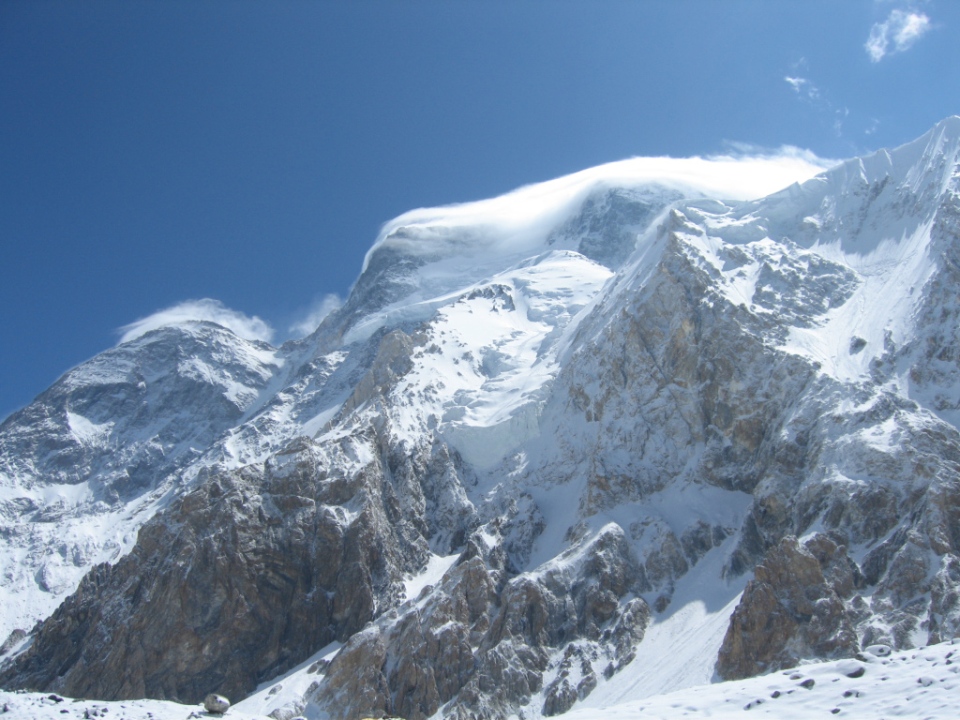
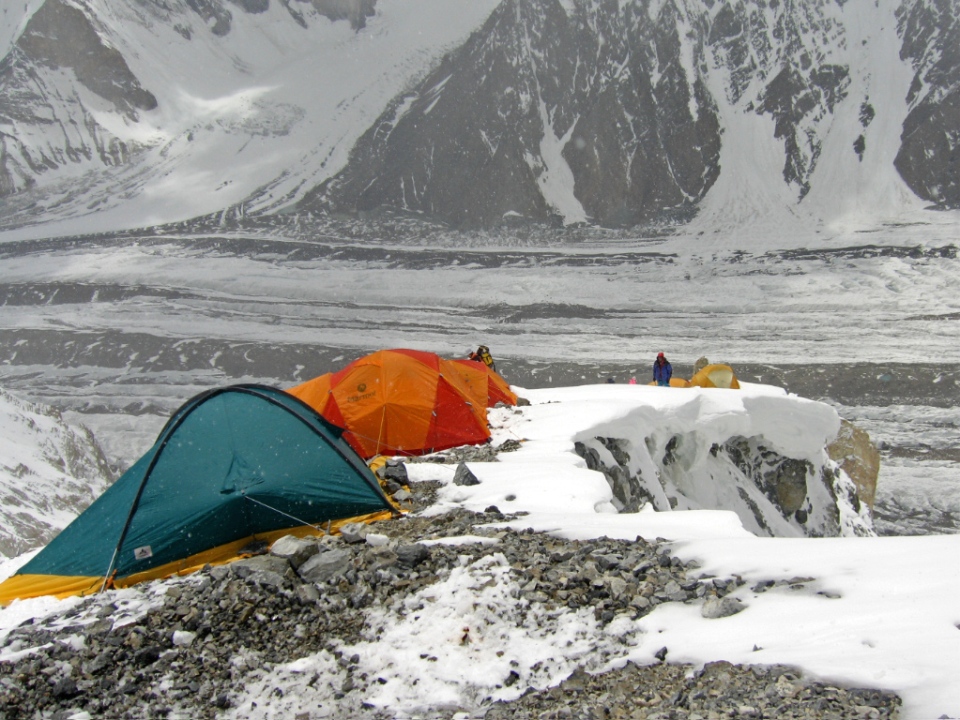
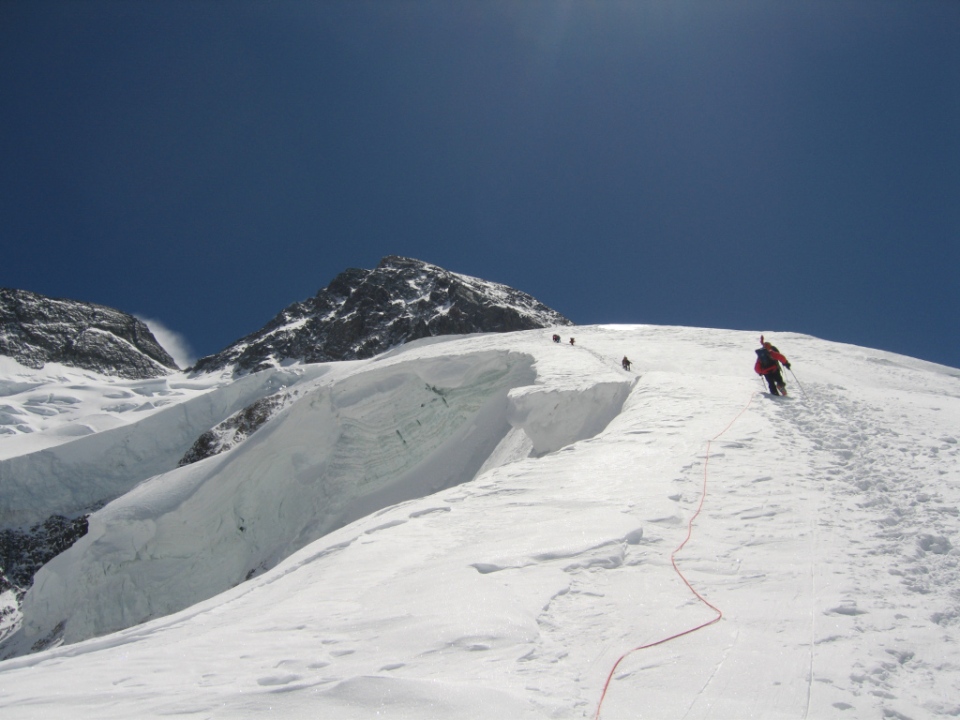
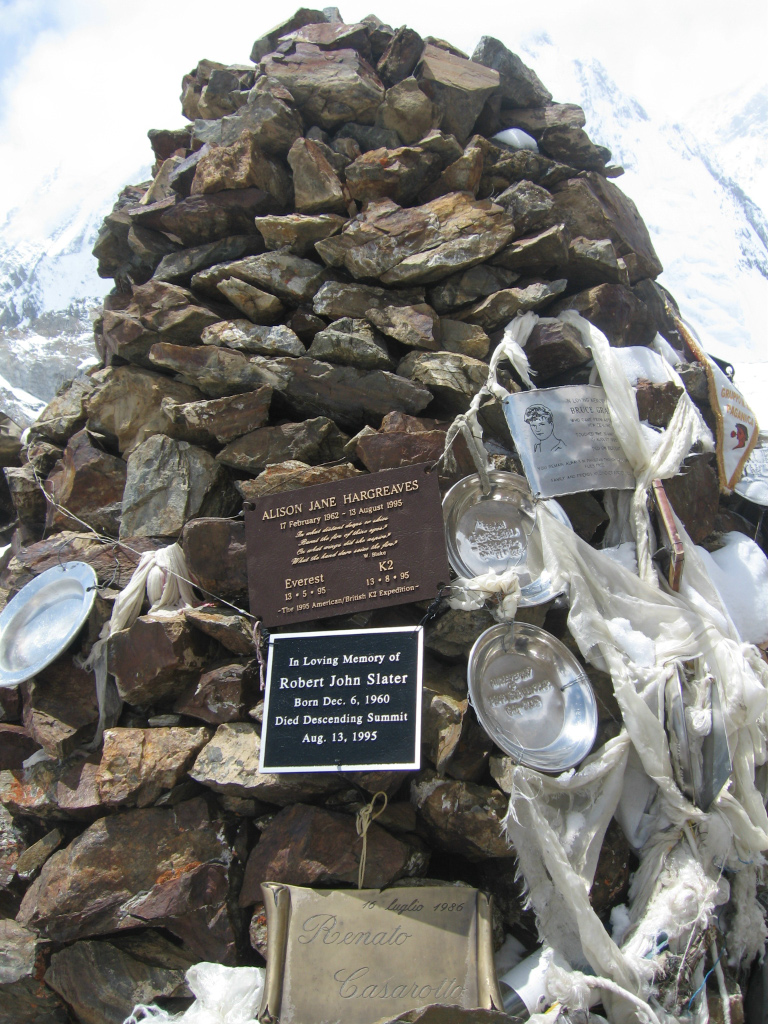
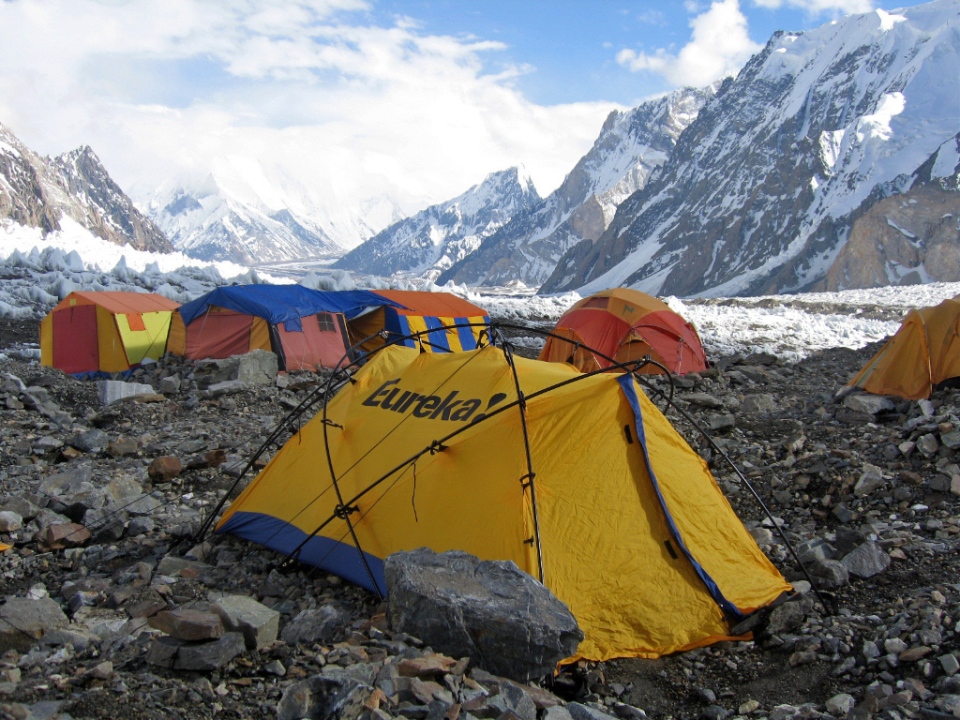
Broad peak was to be our home for the next 28 days and we were well looked after by our local kitchen staff at base camp and on the mountain our high altitude porters/climbers were invaluable. We spent our time setting the camps up and making acclimatisation trips and sleeping at all the high camps, we visited K2 base camp and the Gilkey memorial and there was also a lot of waiting around too, hoping for good weather. Our plan in a nutshell looked like this :-

  • Advanced base camp (5200m)
  • Camp 1 (5600m)
  • Camp 2 (6150m)
  • Camp 3 (7100m)
  • Broad Peak summit (8047m) hopefully!


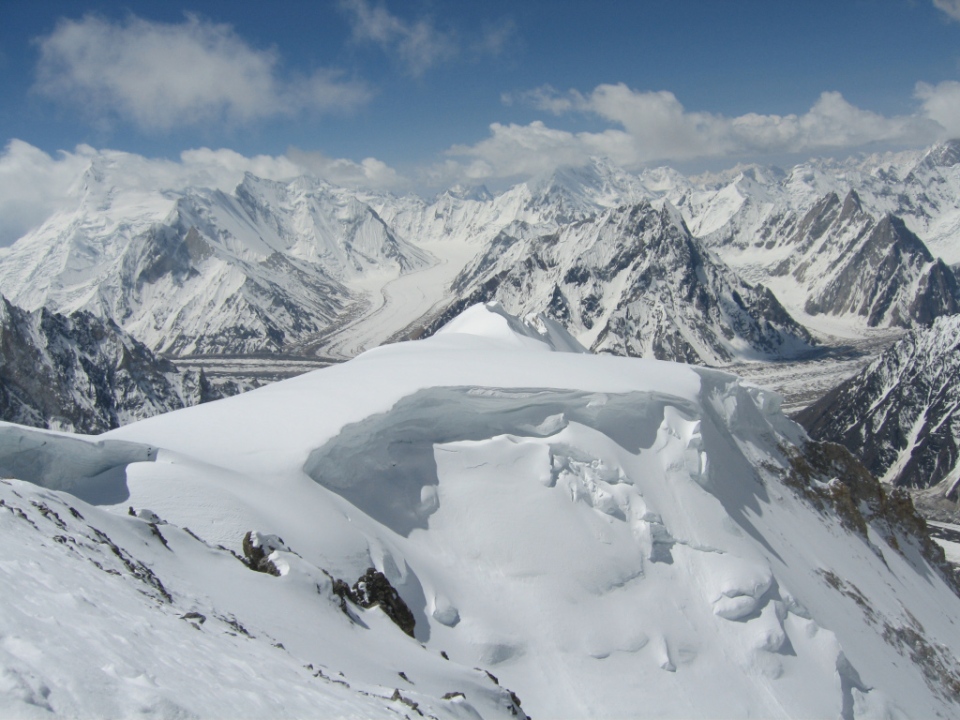
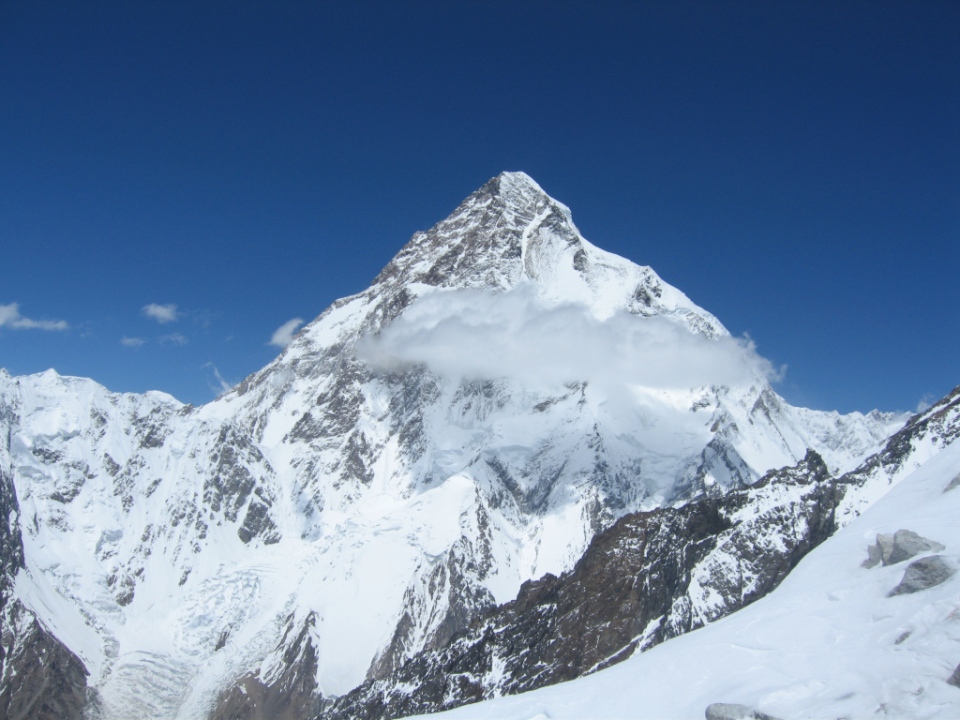
K2 from Camp 3 on Broad Peak

K2 from Camp 3 on Broad Peak

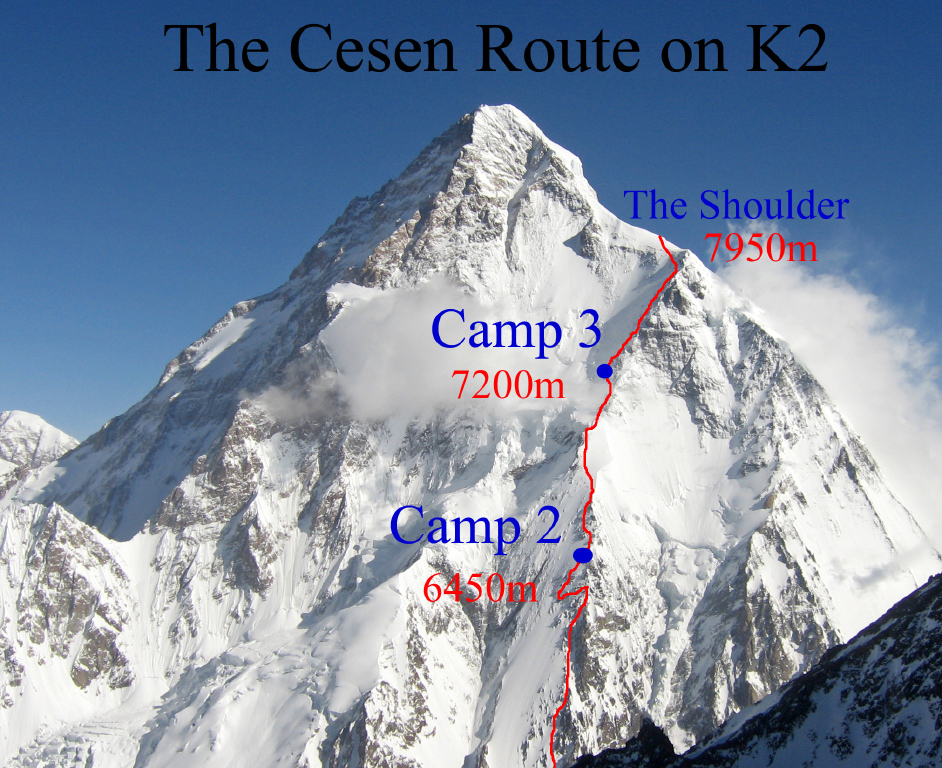
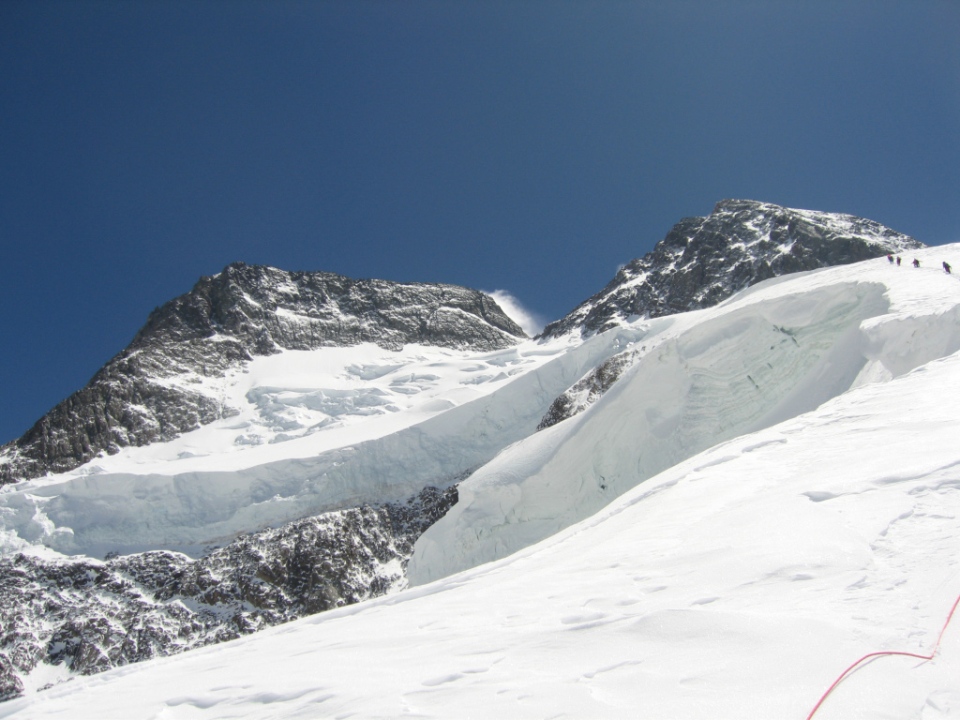
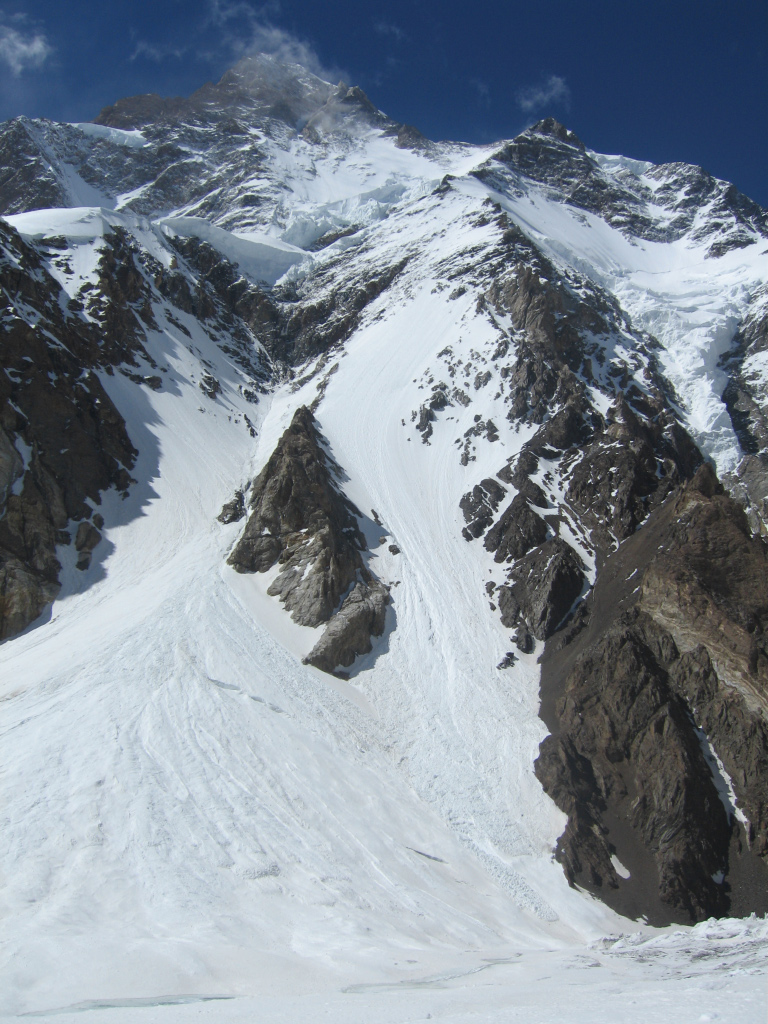
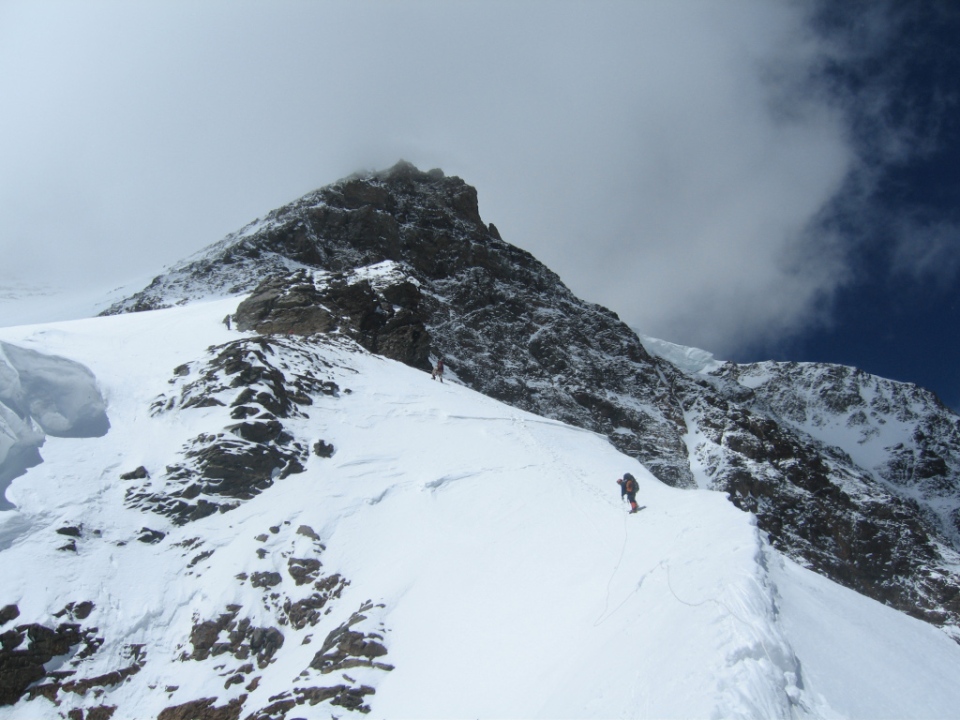
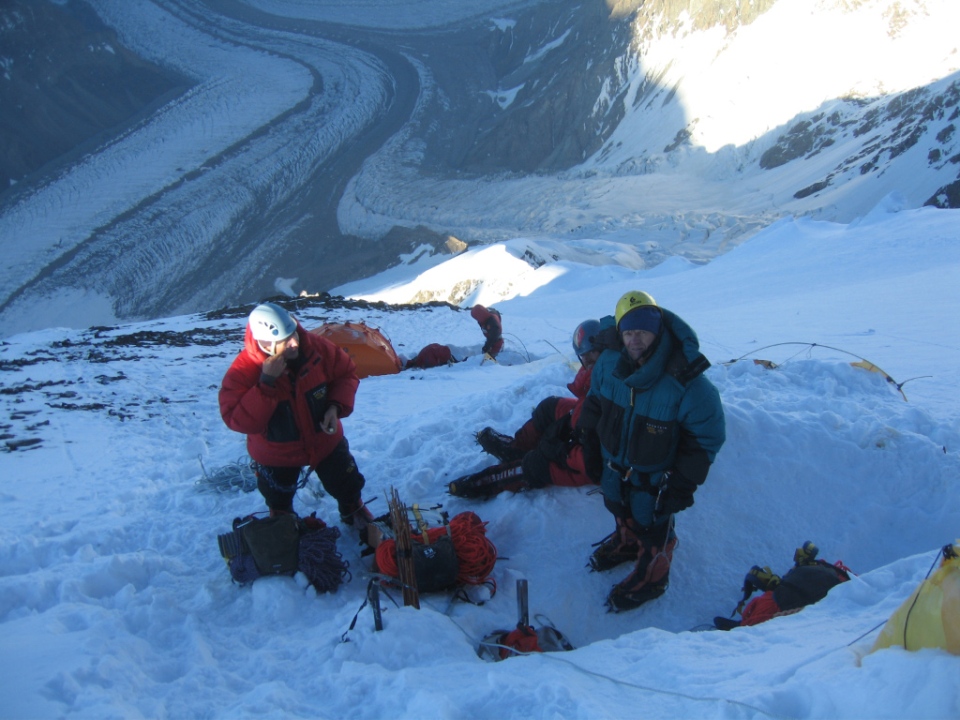
At the end of the Broad Peak expedition four of the team joined the K2 team, an hour or so up the Godwin-Austin glacier, for the last 16 days of climbing. The K2 team had been busy fixing lines and setting up camps in challenging conditions on the Cesen route while we were on Broad Peak. We hoped to join them for the summit attempt to see how far we got and just to enjoy the climbing on such an iconic mountain. The highest any of our team got was camp 4 on the shoulder of K2 and that year nobody climbed K2 at all.

David Ohlson who was on the K2 team has made an adventure documentary about the expedition, its called  “K2: Siren of the Himalayas

He has also put some put some professionally produced videos on youtube which are well worth a look.

K2: Expedition part 1

K2: Expedition part 2

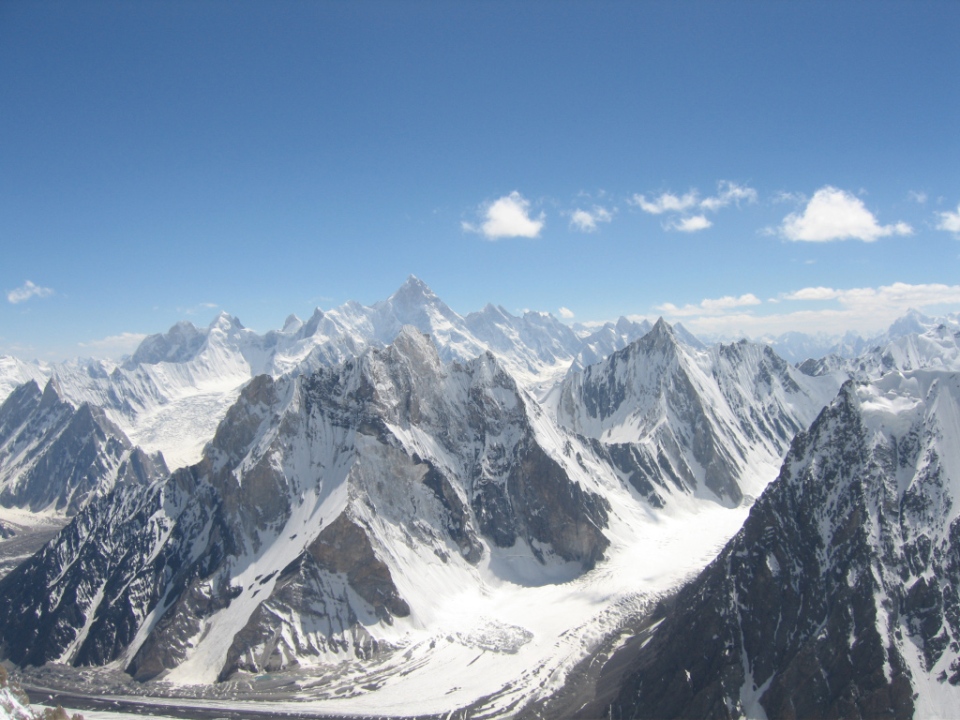
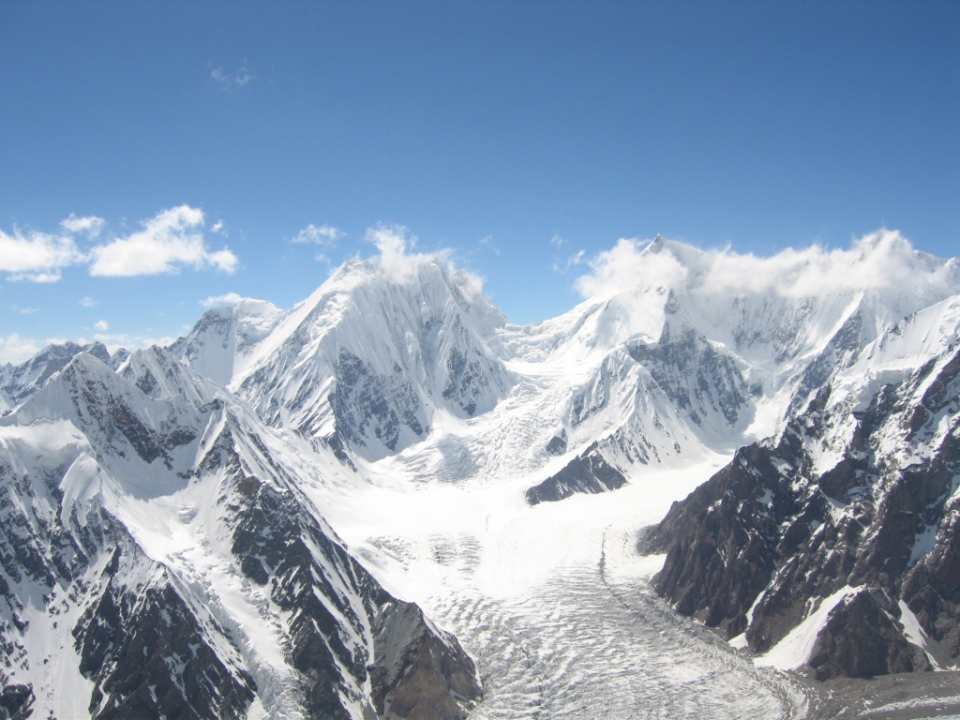
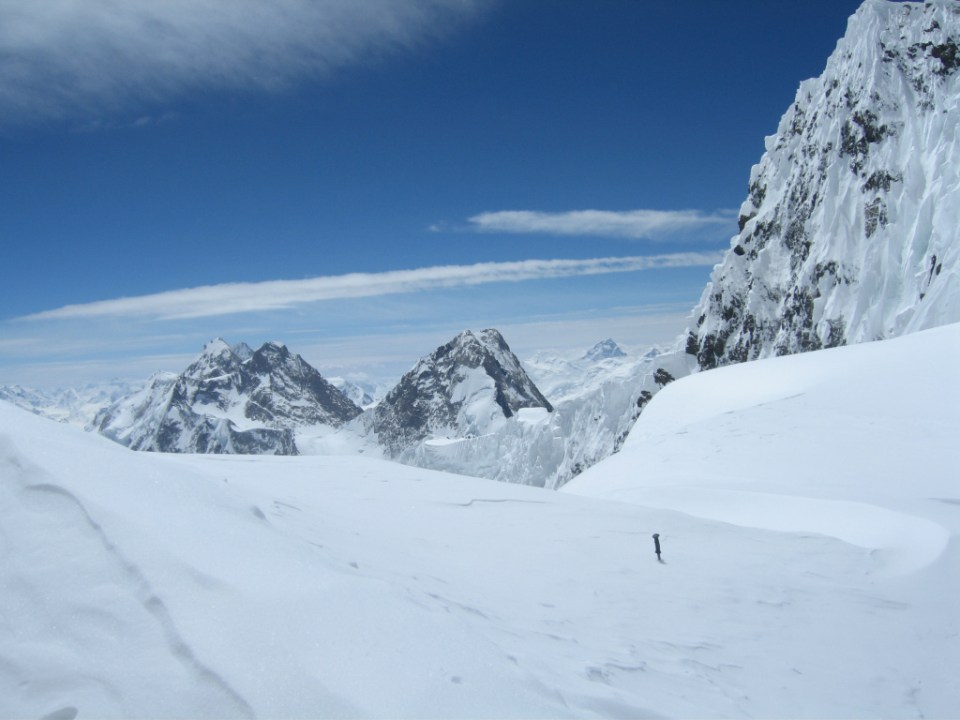
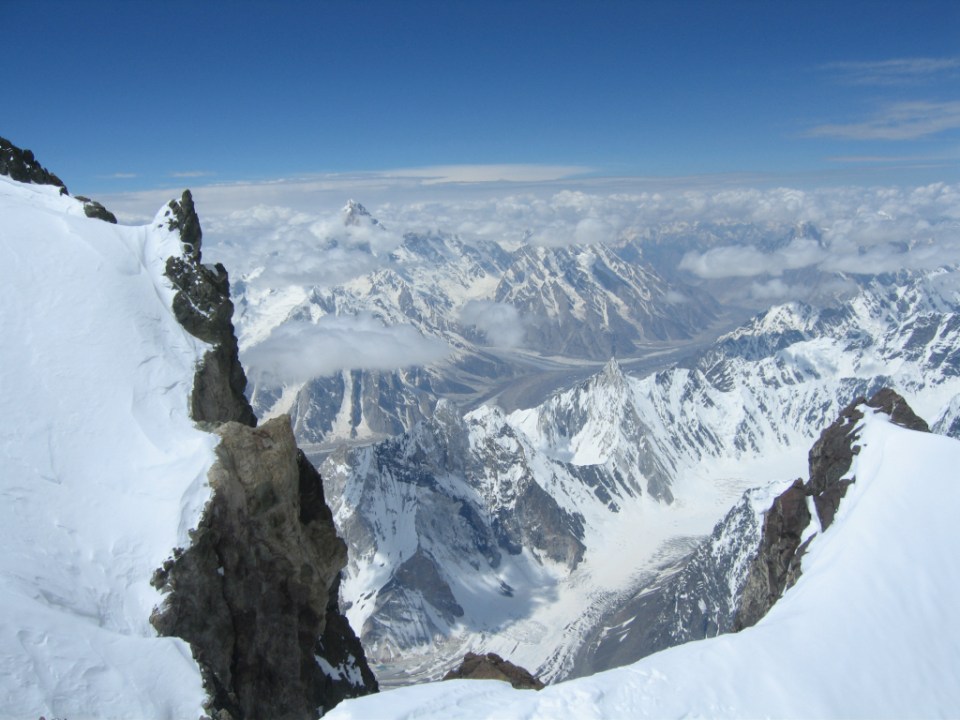
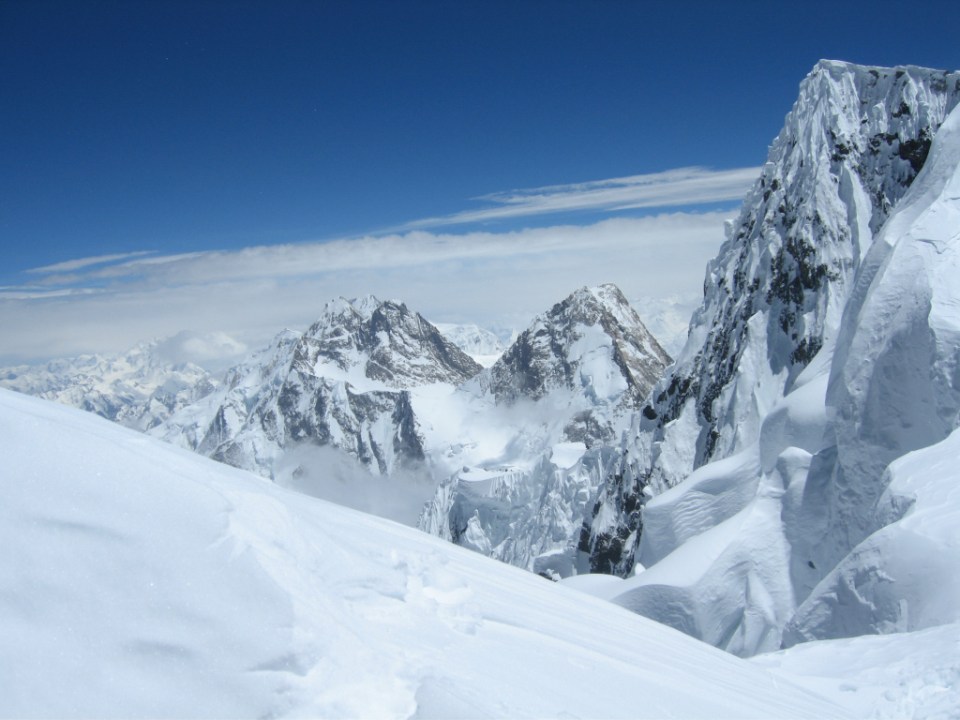
and finally some photos from the expedition…

[ Thanks to Wim Smets who was also on the expedition for some of his K2 photos ]


Denali

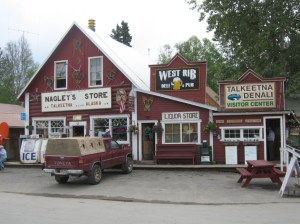
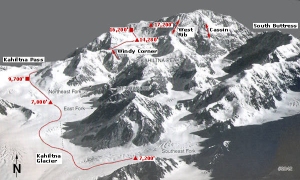
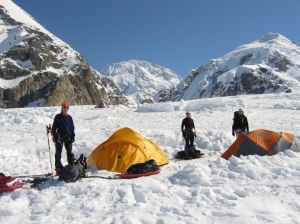
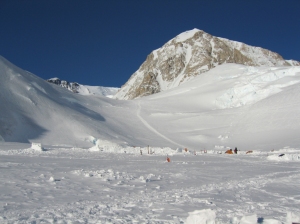
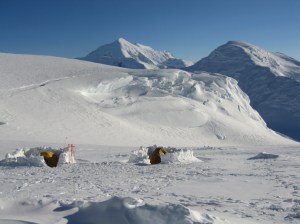
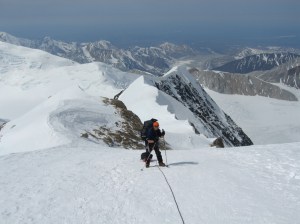
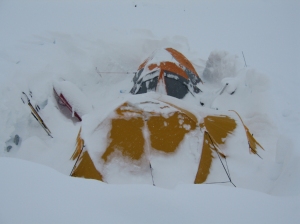
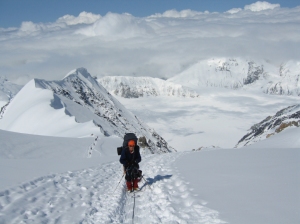
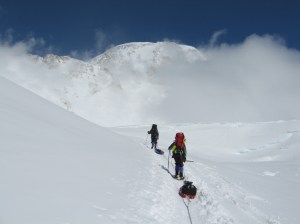
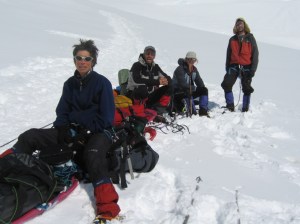
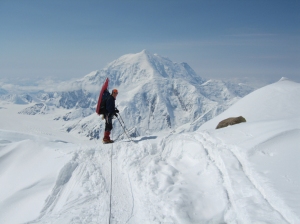
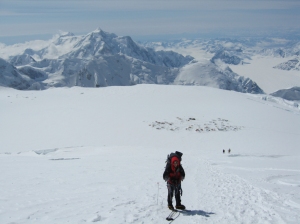
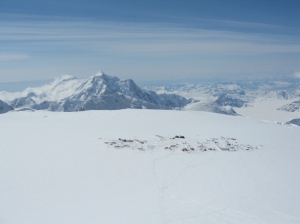
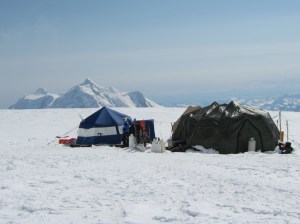
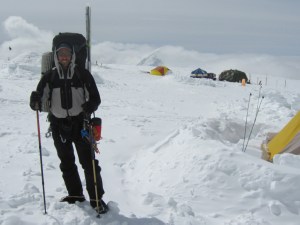
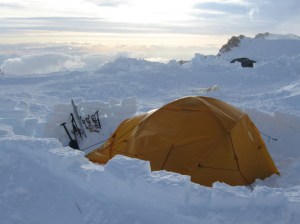
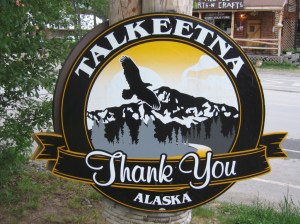
Denali  meaning  ” the high one” is the native American name for North Americas highest peak standing at 6149m, for a while it was known as Mount Mckinley but officially it is now Denali. We were a four person self organised expedition, a Dutch couple Mark and Petra, their friend Jo and myself and in May 2006 we flew into Anchorage in Alaska ready for the challenge ahead. We had a few days here organising stuff and topping our supplies up before getting a lift up to the small town of Talkeetna – the gateway to Denali. Denali National Park and Preserve requires climbing expeditions to pre-register 60 days prior to climbing and pay a fee. Another important thing to sort out prior to arrival was food. Our route was the West Buttress, which is by far the most popular route and probably the easiest and we gave ourselves 3 weeks climbing time, so this set the amount of food we needed – 21 day ration packs each consisting of about 4000+ calories as most days we would be working quite hard, all repackaged to reduce bulk and weight . We would use liquid white fuel to melt snow for drinks so had to work out how much of this we would need.

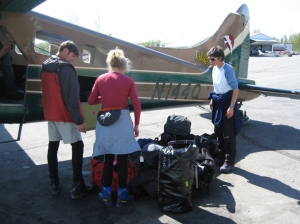
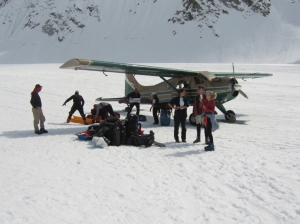
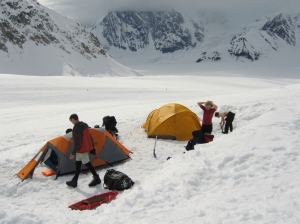
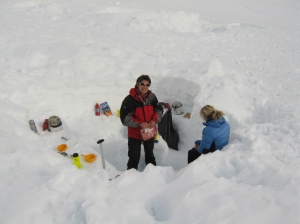
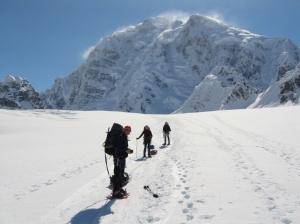
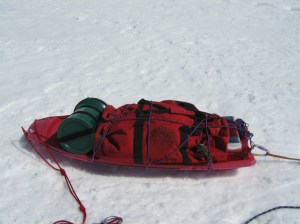
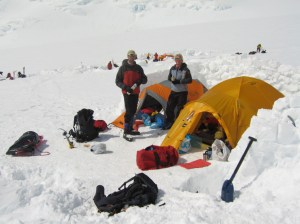
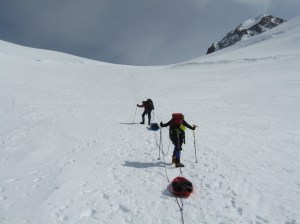
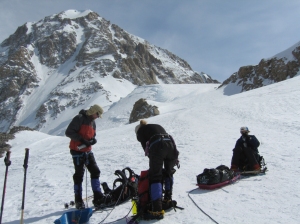
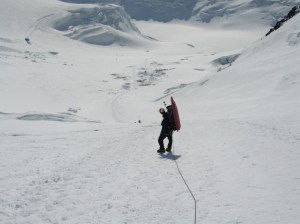
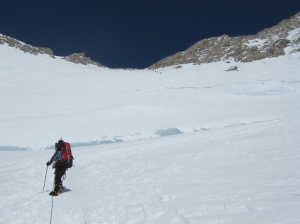
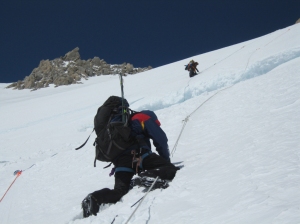
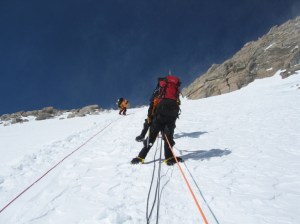
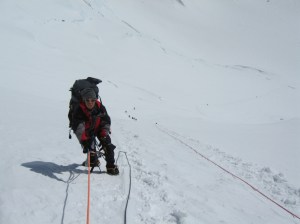
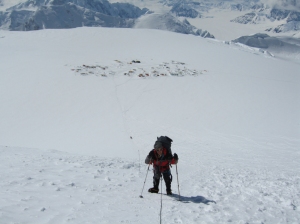
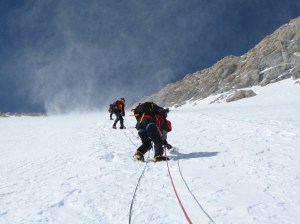
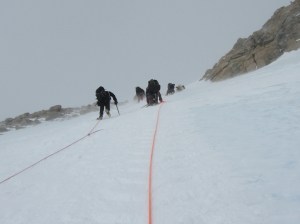
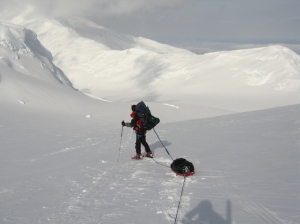
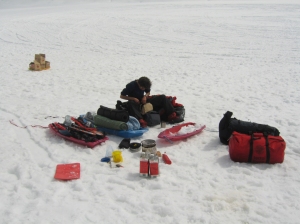
There are no porters on Denali unfortunately so everything we needed once on the glacier had to be transported by us, the usual way of doing that over there is to carry a big rucsac as normal and then to drag a plastic sled behind you, at the same time you are roped to your fellow team members because you are walking on a glacier with hidden crevasses. This needs a little practise and a lot of patience to get right and going downhill is not as easy as you think! We used 5 camps on our way and most of these were preceded by a day hike to make a cache of food and fuel which also helped to get us mountain fit.

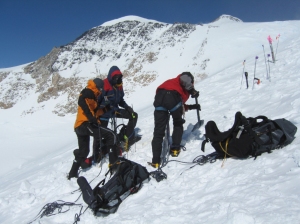
Apart from the normal mountaineering gear other useful gear to have are :-

  • Snowshoes great for walking on deep soft snow.
  • Plastic sleds for dragging heavy loads.
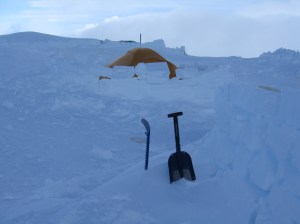
  • Snow shovel for clearing tent platforms.
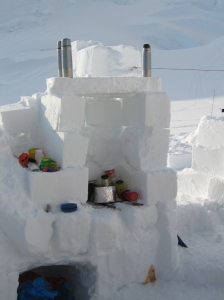
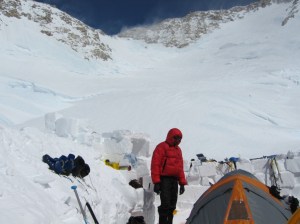
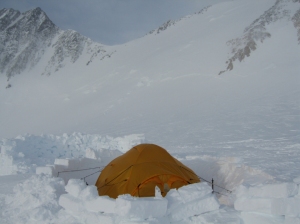
  • Ice saw for cutting snow blocks to shield tents from the wind.
  • Cane wands for route marking in bad conditions and for marking food and equipment caches.
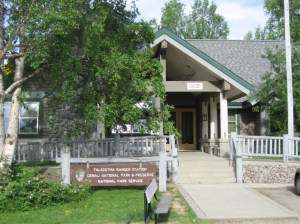
  • Clean mountain cans (CMC)  Denali has a pack in – pack out policy applying to rubbish and supplies, a more recent initiative is the use of CMC to dispose of human waste from camps. there are latrines at 2200m and 4300m where the ranger station is at camp 4. At other places biodegradable plastic liners are used with the cans and these liners can then be thrown into deep crevasses.


Ama Dablam 2004

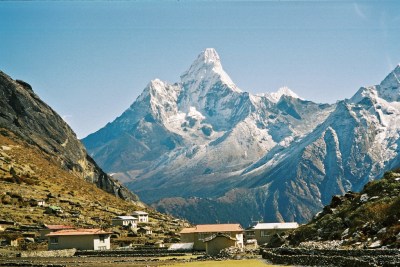
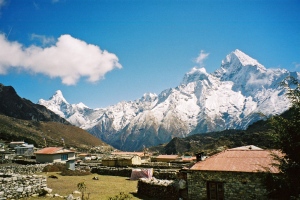
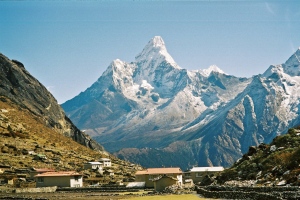
Ama Dablam from Khumjung village

Ama Dablam from Khumjung village

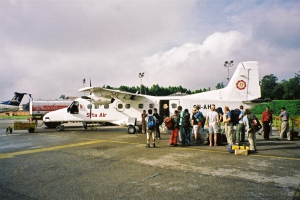
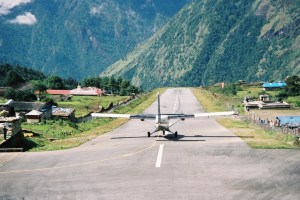
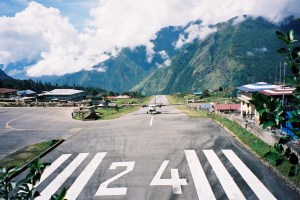
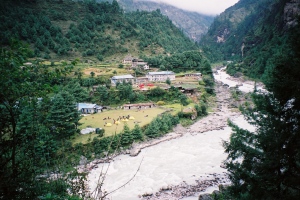
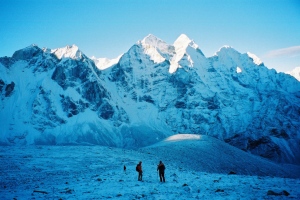
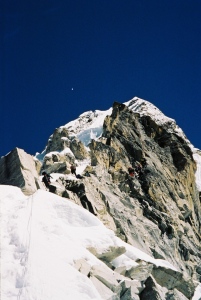
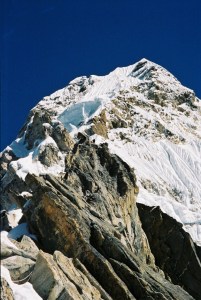
Ama Dablam 6812m high is situated in the Solu-Khumbu region of Nepal and is one of the many awesome mountains visible on the Everest base camp trek and perhaps the most beautiful. The mountains name derives from its appearance with the two long ridges like the arms of a mother (Ama) protecting her child, and the hanging glacier near the summit is a charm box (Dablam) worn around her neck. In the autumn of 2004 i joined a commercial expedition to try and climb it. We all met in Katmandu and after a few days flew to the mountain airport at Lukla, here we picked up the Everest Trail and stayed on it all the way to Pangboche, where we turned off to trek up to Ama Dablam base camp.

  • Base camp (4650m) A surprising large flat grassy area with a nearby stream.
  • Advanced base camp (5500m) Used for acclimatisation hikes from base camp.
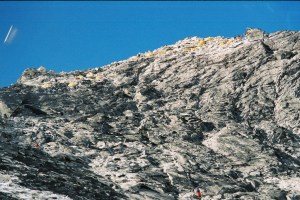
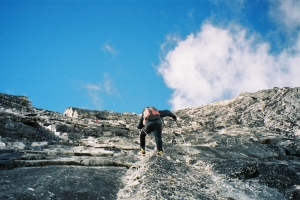
  • Camp 1 (5700m) involves scrambling over huge boulders then up a rock slab to camp.
  • Camp 2 (6000m) Not much height gain from camp one but involves a lot of scrambling along rock ridges and around pinnacles with large exposure. Includes probably the hardest section of the climb up the Yellow Tower. The campsite itself is very exposed.
  • Camp 3 (6280m) From camp two a steep snow ridge up through the Grey Tower area and then up the amazing Mushroom ridge. Camp three is based at the foot of the hanging glacier – the Dablam.
  • Summit day (6812m)  A snow-ice climb averaging about 40 degrees round the side of the hanging glacier (the Dablam) then onto the summit slopes.